
As the world intensifies efforts to combat climate change, international net-zero building standards have become essential for shaping the future of sustainable construction. These frameworks set ambitious targets for reducing carbon emissions, improving energy efficiency, and ensuring that buildings contribute minimally to environmental impact. Understanding these benchmarks is crucial for architects, builders, policymakers, and homeowners who want to align with global sustainability goals and stay ahead of evolving regulations.
Whether you’re planning a new project or upgrading an existing property, aligning with recognized net-zero criteria can enhance building performance, reduce operating costs, and increase long-term value. This article explores the most influential global standards, how they compare, and what it takes to achieve compliance in different regions.

For those seeking to understand local requirements, it’s helpful to review resources like building codes net-zero homes, which detail compliance and safety considerations in specific markets.
Defining Net-Zero: What Does It Mean Globally?
At its core, a net-zero building is designed to balance the energy it consumes with the renewable energy it produces on-site or through verified off-site sources. The ultimate goal is to achieve a net-zero carbon footprint over the building’s operational life. However, definitions and approaches can vary by region and certifying organization, making it important to understand the nuances of different global benchmarks.
Some standards focus strictly on operational energy, while others include embodied carbon from construction materials and processes. The most robust frameworks encourage a holistic approach, integrating energy efficiency, renewable generation, water conservation, and sustainable materials.
Key International Standards and Frameworks
Several organizations have established influential guidelines that shape how net-zero is defined and measured worldwide. Here are some of the most recognized:
- LEED Zero: Developed by the U.S. Green Building Council, LEED Zero builds on the widely adopted LEED certification, adding requirements for net-zero carbon, energy, water, or waste. For more details on the LEED approach, see LEED net-zero homes explained.
- International Living Future Institute (ILFI) Zero Energy Certification: This program requires buildings to demonstrate net-zero energy performance over 12 months, verified through actual utility data.
- Passivhaus/Passive House: Originating in Germany, this standard emphasizes ultra-low energy use through airtight construction, super insulation, and high-performance windows. While not always net-zero by default, Passive House buildings often serve as a strong foundation for achieving net-zero status. For a comparison with other approaches, explore PHIUS passive house net-zero comparison.
- World Green Building Council (WorldGBC) Advancing Net Zero: This initiative supports national and regional councils in developing net-zero carbon building certifications tailored to local contexts.
- National Standards: Many countries have adopted their own frameworks, such as the UK’s Net Zero Carbon Buildings Standard, Australia’s NABERS, and Canada’s Zero Carbon Building Standard.
Core Elements of International Net-Zero Building Standards
While each framework has unique requirements, several core principles are common across most global benchmarks:
- Energy Efficiency First: Reducing demand through insulation, efficient HVAC, and smart design is the foundation of every net-zero approach.
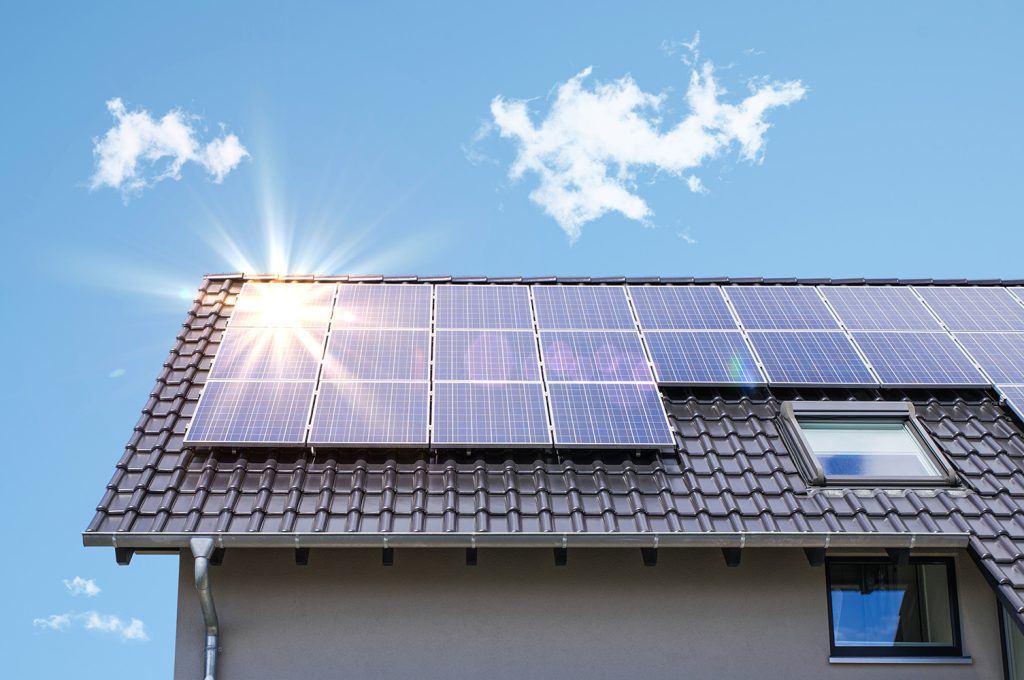
- On-Site Renewable Energy: Solar panels, wind turbines, or geothermal systems are typically required to offset remaining energy use.
- Performance Verification: Ongoing measurement and third-party verification ensure that buildings meet their net-zero targets in practice, not just on paper.
- Low-Carbon Materials: Many standards now address embodied carbon, encouraging the use of recycled, low-impact, or locally sourced materials.
- Water and Waste Management: Some frameworks include requirements for water conservation and waste reduction, broadening the definition of sustainability.
Comparing Regional Approaches to Net-Zero
While the overarching principles remain similar, implementation can differ significantly depending on local climate, energy infrastructure, and policy priorities. For example:
- Europe: The European Union’s Energy Performance of Buildings Directive (EPBD) mandates nearly zero-energy buildings for all new construction. Countries like Germany and Sweden have set aggressive targets for both operational and embodied carbon.
- North America: The U.S. and Canada have a patchwork of voluntary and mandatory programs, with states like California leading the way in requiring net-zero energy for new homes.
- Asia-Pacific: Australia’s NABERS and Green Star programs are advancing net-zero goals, while Japan’s ZEH (Zero Energy House) initiative focuses on residential efficiency.
For a deeper dive into the certification process, see net-zero energy certification process, which outlines steps from design to verification.
Pathways to Achieving Net-Zero Certification
Attaining a recognized net-zero status involves a systematic approach from design through operation. Here’s a typical pathway:
- Set Clear Performance Goals: Define which standard or certification you’re targeting and understand the specific criteria.
- Integrate Energy Modeling Early: Use simulation tools to optimize building orientation, envelope, and systems for maximum efficiency.
- Prioritize Passive Strategies: Maximize natural light, ventilation, and insulation before adding renewable technologies.
- Install Renewable Energy Systems: Size solar, wind, or geothermal systems to meet or exceed projected annual energy use.
- Document and Verify: Maintain thorough records of design, construction, and operational performance for third-party review.
For more on how to navigate these steps, net-zero home certification standards offers a comprehensive overview.
Benefits of Meeting Global Net-Zero Benchmarks
Aligning with international net-zero building standards offers a range of advantages:
- Lower Operating Costs: Reduced energy consumption translates to long-term savings for owners and tenants.
- Market Differentiation: Certified net-zero buildings stand out in a competitive real estate market, attracting environmentally conscious buyers and tenants.
- Regulatory Compliance: As more jurisdictions adopt net-zero mandates, early adopters are better positioned to meet future requirements.
- Positive Environmental Impact: Reducing greenhouse gas emissions supports global climate goals and improves community health.
- Access to Incentives: Many governments and utilities offer financial incentives for projects that achieve recognized sustainability certifications. For example, net-zero energy home designs in Australia can qualify for rebates and grants.
Challenges and Considerations
While the benefits are clear, pursuing net-zero certification can present challenges:
- Upfront Costs: High-performance materials and renewable systems can increase initial investment, though these are often offset by long-term savings.
- Technical Complexity: Achieving stringent performance targets requires careful coordination among architects, engineers, and contractors.
- Verification and Maintenance: Ongoing monitoring is necessary to ensure buildings continue to meet net-zero goals after occupancy.
- Regional Variations: Adapting global standards to local climates and regulations may require additional expertise and customization.
Frequently Asked Questions
What is the difference between net-zero energy and net-zero carbon?
Net-zero energy refers to buildings that produce as much renewable energy as they consume over a year. Net-zero carbon expands this concept to include all greenhouse gas emissions, including those from materials and construction, not just operational energy.
Are international net-zero building standards mandatory?
Most frameworks are voluntary, but some regions and cities are beginning to require net-zero performance for new construction. It’s important to check local regulations and incentives to determine what applies to your project.
How do I choose the right net-zero certification for my building?
Consider your project’s location, type, and goals. Review the requirements of major standards like LEED Zero, ILFI Zero Energy, and national programs. Consulting with a sustainability expert can help identify the best fit for your needs and ensure a smooth certification process.
Can existing buildings be upgraded to meet net-zero standards?
Yes, many existing structures can be retrofitted to achieve net-zero performance by improving insulation, upgrading systems, and adding renewable energy. The process may be more complex than new construction but is increasingly common as technology advances.
As global benchmarks continue to evolve, staying informed about international net-zero building standards is essential for anyone involved in the built environment. By understanding the requirements, benefits, and challenges, you can make informed decisions that support both your project goals and the planet’s future.
