
Building homes that achieve net-zero energy status is becoming a leading goal in sustainable construction. The energy star net-zero homes requirements set a high bar for efficiency, comfort, and environmental responsibility. These standards are designed to ensure that new homes generate as much renewable energy as they consume over the course of a year, while also meeting rigorous criteria for insulation, air sealing, mechanical systems, and more.
Understanding what it takes to meet these efficiency benchmarks is essential for builders, homeowners, and anyone interested in sustainable living. In this article, we’ll break down the core elements of the Energy Star net-zero pathway, highlight the main efficiency standards, and explain how they compare to other global benchmarks. For a broader look at worldwide frameworks, see the international net-zero building standards overview.
What Defines a Net-Zero Energy Home?
A net-zero energy home is designed and built to produce as much energy as it uses on an annual basis. This is achieved through a combination of advanced energy efficiency measures and onsite renewable energy generation, typically solar panels. The energy star net-zero homes requirements integrate these principles with the trusted Energy Star certification process, ensuring that homes are not only energy balanced but also comfortable, healthy, and durable.
To qualify as a net-zero ready or net-zero certified home under the Energy Star program, a property must:
- Meet or exceed all Energy Star for Homes Version 3 (or higher) criteria
- Include high-performance insulation and air sealing
- Utilize efficient HVAC, water heating, and lighting systems
- Be designed for renewable energy integration (net-zero ready) or include installed renewable systems (net-zero certified)
Core Efficiency Standards for Energy Star Net-Zero Homes
Several key efficiency standards form the backbone of the Energy Star net-zero pathway. These are more stringent than those for standard Energy Star homes and are designed to minimize energy waste at every stage.
Building Envelope and Insulation
The building envelope—walls, roof, windows, and foundation—must be exceptionally well insulated and tightly sealed. This reduces heat loss in winter and heat gain in summer, lowering the need for mechanical heating and cooling. Requirements include:
- Continuous insulation with high R-values appropriate for the climate zone
- Advanced framing techniques to reduce thermal bridging
- High-performance windows with low U-factors and solar heat gain coefficients
- Comprehensive air sealing to achieve low air leakage rates (typically ≤ 2.0 ACH50)
Mechanical Systems and Appliances
Efficient mechanical systems are mandatory for net-zero performance. This includes:
- High-efficiency HVAC systems (heat pumps, variable-speed furnaces, or boilers)
- Energy Star certified water heaters, often heat pump or tankless
- Whole-house mechanical ventilation with heat or energy recovery (HRV/ERV)
- Energy Star certified appliances and LED lighting throughout
Homes must also be equipped with advanced controls, such as programmable thermostats and energy monitoring systems, to optimize performance and occupant comfort.
Renewable Energy Integration
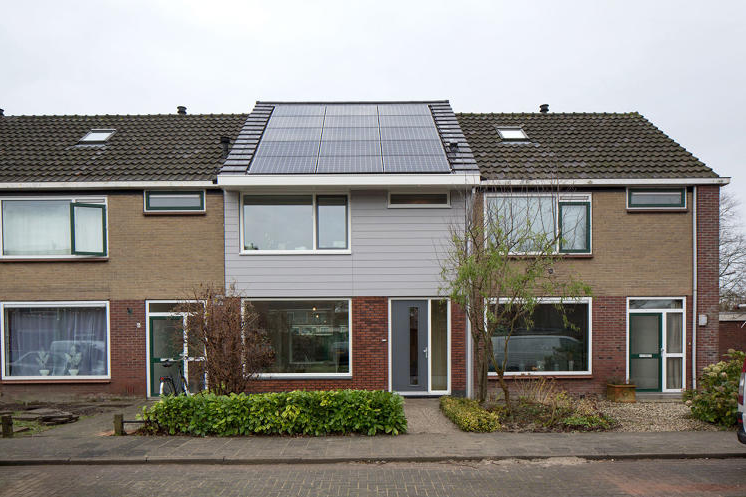
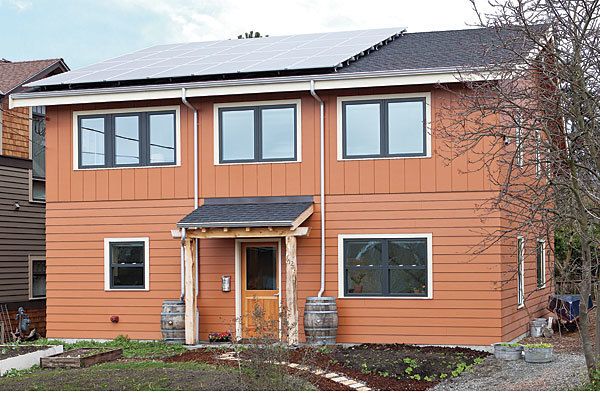
To achieve net-zero status, homes must either be “net-zero ready” (designed and wired for future solar or wind installation) or have renewable systems installed and operational. Most commonly, this means rooftop solar photovoltaic (PV) systems sized to offset the home’s projected annual energy use.
Energy modeling is used to determine the required system size, factoring in local climate, orientation, and shading. The goal is to ensure that the home’s renewable production matches or exceeds its consumption over a typical year.
Verification and Certification Process
Homes seeking to meet these advanced requirements must undergo third-party verification. This includes:
- Blower door testing for air leakage
- Duct leakage testing
- Verification of insulation installation and thermal envelope
- Review of mechanical system efficiency and controls
- Confirmation of renewable energy system sizing and installation (for net-zero certified)
All documentation and test results are submitted to the Energy Star program for review before certification is granted.
Comparison With Other Net-Zero and Green Building Standards
The Energy Star net-zero pathway is one of several frameworks available for ultra-efficient homes. Others include PHIUS+ (Passive House Institute US), LEED Zero, and the International Living Future Institute’s Zero Energy certification. Each has unique criteria and verification processes. For a deeper dive into how these compare, see the PHIUS passive house net-zero comparison and the LEED net-zero homes explained guides.
While the core goal is the same—eliminating operational energy use—differences exist in how airtightness, insulation, mechanical systems, and renewables are prioritized. Energy Star’s approach is recognized for its balance of performance, cost-effectiveness, and broad market acceptance.
Benefits of Meeting Energy Star Net-Zero Criteria
Homes built to these rigorous standards offer several advantages:
- Lower utility bills: Ultra-low energy use and renewable generation can eliminate or even reverse energy costs.
- Improved comfort: Superior insulation and air sealing mean fewer drafts and more consistent indoor temperatures.
- Healthier indoor air: Mechanical ventilation with filtration reduces allergens and pollutants.
- Environmental impact: Net-zero homes dramatically reduce greenhouse gas emissions and reliance on fossil fuels.
- Higher resale value: Certified high-performance homes are increasingly attractive to buyers seeking sustainability and lower operating costs.
Challenges and Considerations
While the benefits are clear, achieving net-zero status is not without challenges. Upfront costs for high-performance materials and renewable systems can be higher than standard construction. However, these costs are often offset over time through energy savings and incentives. Careful design, energy modeling, and experienced builders are essential for success.
For more on compliance strategies and navigating the certification process, the net-zero construction compliance guide offers practical tips and checklists.
Resources and Further Reading
For those interested in the technical details or considering building a net-zero home, the following resources are valuable:
- Comprehensive overview of net-zero building principles and technologies
- Guide to net-zero home certification standards
Frequently Asked Questions
What is the difference between Energy Star certified, net-zero ready, and net-zero certified homes?
Energy Star certified homes meet high efficiency standards but may not include renewable energy. Net-zero ready homes meet all efficiency requirements and are designed for easy future installation of renewables. Net-zero certified homes have both efficiency measures and installed renewable systems that offset annual energy use.
Are there incentives for building to Energy Star net-zero standards?
Yes, many regions offer tax credits, rebates, and other incentives for high-performance and net-zero homes. These can help offset the initial investment in efficiency upgrades and renewable energy systems.
How do Energy Star net-zero requirements compare to international standards?
While the core principles are similar—maximizing efficiency and renewable energy—specific requirements and verification methods may differ. For a global perspective, review the international net-zero building standards article for details on how Energy Star aligns with other frameworks worldwide.
