
Building a net-zero home is a forward-thinking approach that combines energy efficiency, renewable energy, and sustainable building practices. This comprehensive roadmap walks through each stage of the net-zero home construction process, from initial planning to final certification, providing clarity for homeowners, builders, and anyone interested in energy-efficient living.
Whether you are just starting to explore sustainable building or are ready to break ground, understanding the steps involved is essential. Early decisions made during the planning phase net-zero construction can have a lasting impact on energy performance, comfort, and long-term savings. This guide covers the essential phases, highlights best practices, and points to helpful resources for further learning.
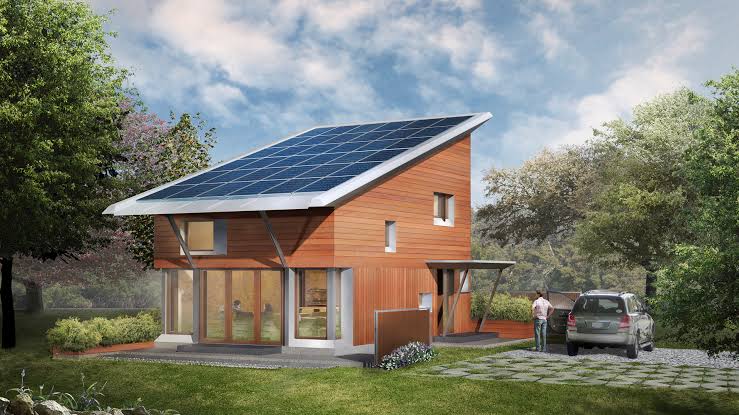
Understanding the Path to a Net-Zero Energy Home
The journey to a net-zero residence involves more than just solar panels or high-performance insulation. It is a holistic process that integrates site selection, smart design, efficient construction, and renewable energy systems. Each phase builds on the previous one, ensuring that the finished home produces as much energy as it consumes over the course of a year.
Key elements of this process include:
- Strategic planning and goal setting
- Designing for energy efficiency and passive gains
- Careful selection of materials and systems
- Thorough construction and quality control
- Installation of renewable energy sources
- Ongoing monitoring and optimization
For a step-by-step breakdown, see the steps to build net-zero home resource.
Planning and Design: The Foundation of Success
Every successful net-zero build starts with a clear plan. Early collaboration with architects, builders, and energy consultants is essential. During this stage, the project team will:
- Set measurable energy goals and budget constraints
- Analyze the site for solar access, orientation, and climate considerations
- Develop a building envelope strategy that minimizes heat loss and gain
- Choose high-performance windows, doors, and insulation
- Evaluate mechanical systems and ventilation options
Integrating energy modeling tools at this phase helps predict future performance and guides design decisions. This is also the time to consider compliance with programs such as energy star net-zero homes requirements or other green building certifications.
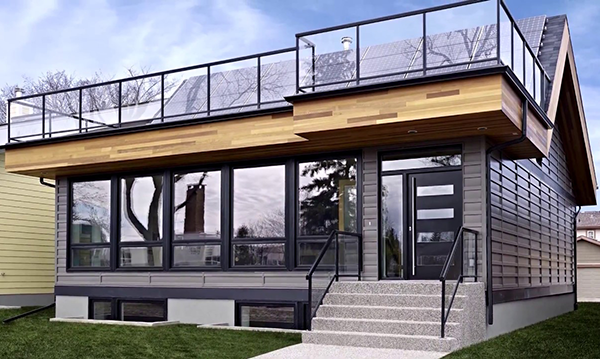
Key Steps in the Net-Zero Home Construction Process
The construction phase is where design meets reality. Attention to detail and quality control are critical to achieving net-zero performance. Here’s how the process typically unfolds:
- Site Preparation and Foundation: Clearing, grading, and laying a well-insulated foundation to minimize thermal bridging.
- Building Envelope Construction: Framing, installing advanced insulation, and sealing all penetrations for airtightness.
- Windows and Doors: Installing high-efficiency, properly sealed windows and doors to reduce energy loss.
- Mechanical Systems: Integrating heat pumps, energy recovery ventilators, and efficient water heating systems.
- Electrical and Lighting: Using LED lighting, smart controls, and preparing for solar integration.
- Renewable Energy Installation: Adding solar photovoltaic panels or other renewable systems to offset annual energy use.
- Testing and Commissioning: Conducting blower door tests, thermal imaging, and system commissioning to verify performance.
For more details on compliance and standards, refer to the net-zero construction compliance guide.
Optimizing Performance and Achieving Certification
Once construction is complete, the focus shifts to verifying that the home meets its energy goals. This involves:
- Blower door and duct leakage testing
- Thermal imaging to detect insulation gaps
- Monitoring energy use with smart meters
- Adjusting systems for optimal efficiency
- Documenting performance for certification
Many homeowners pursue third-party certifications, such as LEED, ENERGY STAR, or local green building programs. These not only validate the home’s performance but can also enhance resale value and provide access to incentives. For a comparison of certification options, see green building certifications explained.

Best Practices for a Successful Net-Zero Build
Achieving net-zero status requires a commitment to quality at every stage. Here are some proven strategies:
- Prioritize airtightness: Even small leaks can undermine efficiency.
- Use continuous insulation: Reduces thermal bridging and improves comfort.
- Choose efficient appliances: ENERGY STAR-rated appliances minimize plug loads.
- Monitor energy use: Smart meters and monitors help track performance and identify issues.
- Plan for future upgrades: Design with flexibility for evolving technologies.
For a deeper dive into construction techniques and tips, consult resources like this guide on building a net-zero home.
Frequently Asked Questions
What is the main goal of the net-zero home construction process?
The primary objective is to create a building that generates as much energy as it consumes annually, resulting in a net-zero energy balance. This is achieved through a combination of energy-efficient design, high-performance materials, and on-site renewable energy generation.
How much more does it cost to build a net-zero home compared to a standard home?
Upfront costs for net-zero construction can be higher, typically ranging from 5% to 15% above conventional builds. However, these costs are often offset over time by lower utility bills, available incentives, and increased property value.
Are there specific certifications for net-zero homes?
Yes, several third-party certifications exist, including ENERGY STAR, LEED for Homes, and local green building programs. These certifications validate the home’s energy performance and can provide access to rebates or incentives.
Conclusion
Following a structured approach to the net-zero home construction process ensures that every detail—from planning and design to construction and certification—contributes to a truly energy-efficient home. By leveraging best practices, collaborating with experienced professionals, and utilizing available resources, homeowners can achieve a comfortable, sustainable, and future-ready living environment.
