
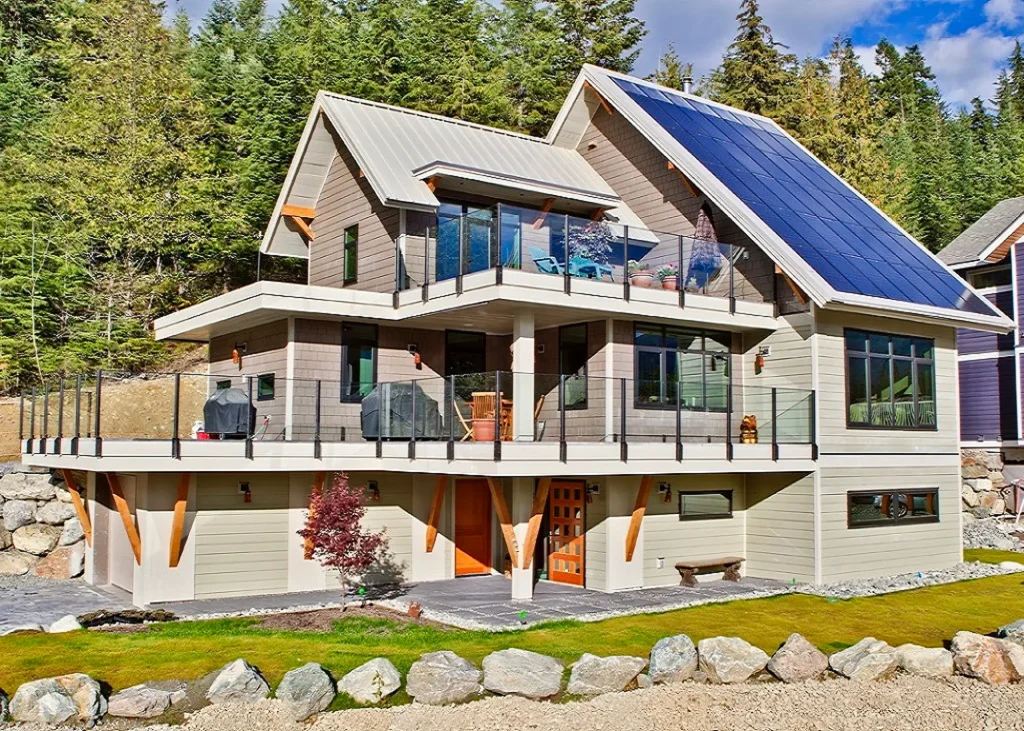
Constructing a net-zero home is a significant commitment to sustainability, energy efficiency, and long-term savings. By following a clear process, homeowners can achieve a residence that produces as much energy as it consumes annually. This guide outlines the steps to build net-zero home projects, highlighting key decisions, best practices, and resources for success.
Understanding the requirements and benchmarks is crucial. For those interested in global perspectives, the international net-zero building standards provide valuable context on how different regions define and measure net-zero performance. Early research and planning are essential for aligning your project with these standards and ensuring compliance from the outset.
Understanding Net-Zero Principles
Before breaking ground, it’s important to grasp the core concepts behind net-zero construction. A net-zero home is designed to minimize energy demand and offset remaining consumption with renewable energy sources, typically solar panels. The process involves careful attention to insulation, airtightness, efficient systems, and renewable integration.
Key principles include:
- Reducing energy demand through design and material choices
- Maximizing on-site energy generation
- Ensuring long-term durability and comfort
For a comprehensive overview of efficiency requirements, review the energy star net-zero homes requirements to understand the baseline for high-performance homes.
Step 1: Set Clear Goals and Budget
Begin by defining your sustainability objectives, energy targets, and financial parameters. Decide if you want to pursue certifications such as LEED, Passive House, or local green building programs. Establishing a budget early helps guide design decisions and technology choices throughout the process.
Consider consulting with professionals experienced in net-zero construction to help set realistic expectations and identify potential incentives or rebates in your area.
Step 2: Assemble the Right Team
Successful net-zero projects rely on collaboration between architects, builders, energy consultants, and engineers. Look for professionals with a proven track record in sustainable building. Early involvement ensures that design and construction strategies align with your efficiency and renewable energy goals.
Discuss your vision and requirements with the team to ensure everyone is committed to the project’s objectives from the start.
Step 3: Choose the Optimal Site and Orientation
Site selection and building orientation have a major impact on energy performance. Prioritize locations that allow for optimal solar access, natural daylighting, and passive heating and cooling. Position the home to maximize southern exposure (in the northern hemisphere) for solar gain and to facilitate future installation of photovoltaic panels.
Step 4: Design for Energy Efficiency
Work with your architect to incorporate passive design strategies, such as:
- High-performance insulation and windows
- Strategic window placement for daylight and ventilation
- Thermal mass to regulate indoor temperatures
- Compact building shape to reduce heat loss
Consider referencing this step-by-step guide to net-zero home design for additional insights on architectural best practices.
Step 5: Select High-Performance Building Envelope
The building envelope—walls, roof, windows, and doors—serves as the primary barrier against heat loss and gain. Invest in advanced framing techniques, continuous insulation, and triple-glazed windows to minimize thermal bridging and air leakage. Airtight construction is essential for maintaining consistent indoor comfort and reducing energy demand.

Step 6: Install Efficient Mechanical Systems
Heating, cooling, and ventilation systems play a crucial role in net-zero performance. Choose high-efficiency heat pumps for space and water heating, and consider energy recovery ventilators (ERVs) to maintain healthy indoor air quality with minimal energy loss. Ensure all ductwork is properly sealed and insulated.
Smart thermostats and zoned controls can further optimize comfort and reduce unnecessary energy use.
Step 7: Integrate Renewable Energy Sources
After minimizing energy demand, size and install renewable energy systems to offset remaining consumption. Most net-zero homes rely on rooftop solar photovoltaic (PV) panels. In some cases, ground-mounted arrays or small wind turbines may be appropriate, depending on site conditions and local regulations.
Work with a qualified installer to determine the optimal system size and configuration for your needs.
Step 8: Prioritize Water Efficiency and Sustainable Materials
Reducing water use and selecting eco-friendly materials contribute to the overall sustainability of your home. Install low-flow fixtures, dual-flush toilets, and consider rainwater harvesting systems. Use locally sourced, recycled, or rapidly renewable materials wherever possible to lower the project’s environmental footprint.
Step 9: Monitor, Test, and Verify Performance
Commissioning and ongoing monitoring are vital for ensuring your home meets its net-zero goals. Conduct blower door tests and use thermal imaging to identify air leaks or insulation gaps. Install energy monitoring devices to track real-time consumption and generation, making adjustments as needed to maintain balance.
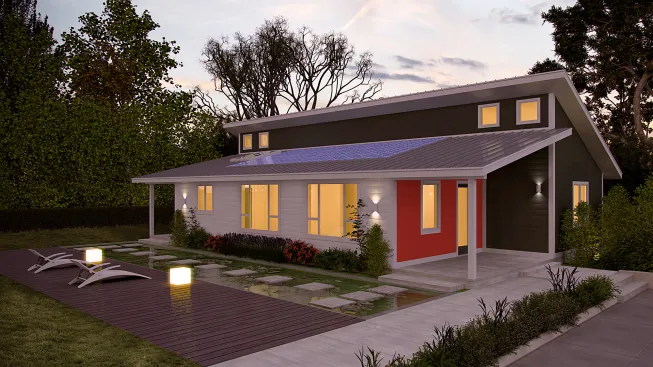
Step 10: Pursue Certification and Continuous Improvement
After construction, consider third-party certification to validate your home’s performance. Programs like LEED, ENERGY STAR, and Passive House offer recognition and can increase resale value. Certification also provides accountability and ensures your home meets rigorous efficiency and sustainability standards.
Stay engaged with the latest developments in green building by exploring resources such as green building certifications explained and sustainability rating systems homes for ongoing learning and improvement.
Common Challenges and Solutions
Building a net-zero residence comes with unique challenges, including upfront costs, local code compliance, and technology integration. Address these by:
- Researching incentives and rebates to offset initial expenses
- Working with professionals familiar with net-zero construction compliance guide requirements
- Staying informed about advances in building science and renewable energy
For more on compliance, see the net-zero construction compliance guide.
Benefits of a Net-Zero Home
The advantages of following these steps to build net-zero home projects extend beyond environmental impact. Homeowners enjoy:
- Significant reductions in utility bills
- Improved indoor air quality and comfort
- Enhanced property value and marketability
- Contribution to climate action and energy independence
FAQ
What is the typical cost difference between a net-zero home and a conventional home?
Net-zero homes generally cost 5–15% more upfront due to higher-quality materials, advanced systems, and renewable installations. However, these costs are often recouped over time through lower energy bills and available incentives.
Can existing homes be retrofitted to achieve net-zero status?
Yes, many existing homes can be upgraded with insulation, airtightness improvements, efficient systems, and renewable energy. While more challenging than new construction, retrofits can significantly reduce energy use and approach net-zero performance.
How do I ensure my home meets recognized net-zero standards?
Work with certified professionals, follow established guidelines, and pursue third-party certification. Refer to resources like international net-zero building standards for global benchmarks and best practices.
