
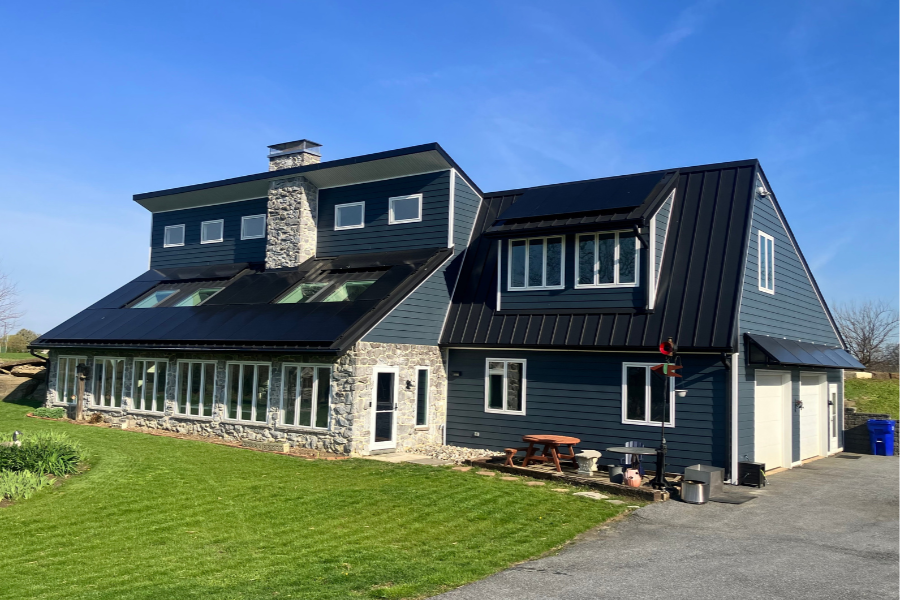
Building a net-zero home is a significant step toward sustainability, energy efficiency, and long-term savings. However, even with the best intentions, many projects fall short of their goals due to avoidable errors. Understanding the common mistakes net-zero construction projects encounter can help homeowners, builders, and designers achieve true net-zero performance and avoid costly setbacks.
This article explores the most frequent pitfalls in net-zero building, practical strategies to prevent them, and expert resources to guide your journey. If you’re just starting, reviewing the planning phase net-zero construction guide is a smart way to set your project up for success from day one.
Why Net-Zero Projects Miss the Mark
Achieving net-zero energy status requires a holistic approach—balancing design, technology, and construction quality. Many projects fall short due to a lack of integration between these elements. Below, we break down the most prevalent issues and how to address them.
Poor Site Selection and Orientation
One of the first and most critical decisions is choosing the right lot and orienting the building for optimal solar gain. Overlooking this step can dramatically reduce a home’s energy efficiency and increase reliance on mechanical systems.
- Ignoring solar access: Failing to maximize southern exposure limits the effectiveness of passive solar heating and solar panels.
- Neglecting shading and wind: Not accounting for nearby trees, buildings, or prevailing winds can lead to overheating or excessive energy loss.
For a deeper dive into this foundational step, see the site selection net-zero homes guide.
Inadequate Planning and Goal Setting
Many net-zero builds start with ambitious targets but lack a clear, actionable plan. Without defined performance metrics and a step-by-step process, it’s easy to lose sight of the end goal.
- Unrealistic expectations: Not aligning budget, timeline, and technical feasibility can lead to disappointment or costly redesigns.
- Poor coordination: Failing to involve all stakeholders—architects, engineers, contractors—early in the process leads to miscommunication and missed opportunities.
Establishing clear objectives and a collaborative workflow is essential. The steps to build net-zero home resource offers a structured approach to planning.
Insufficient Envelope Performance
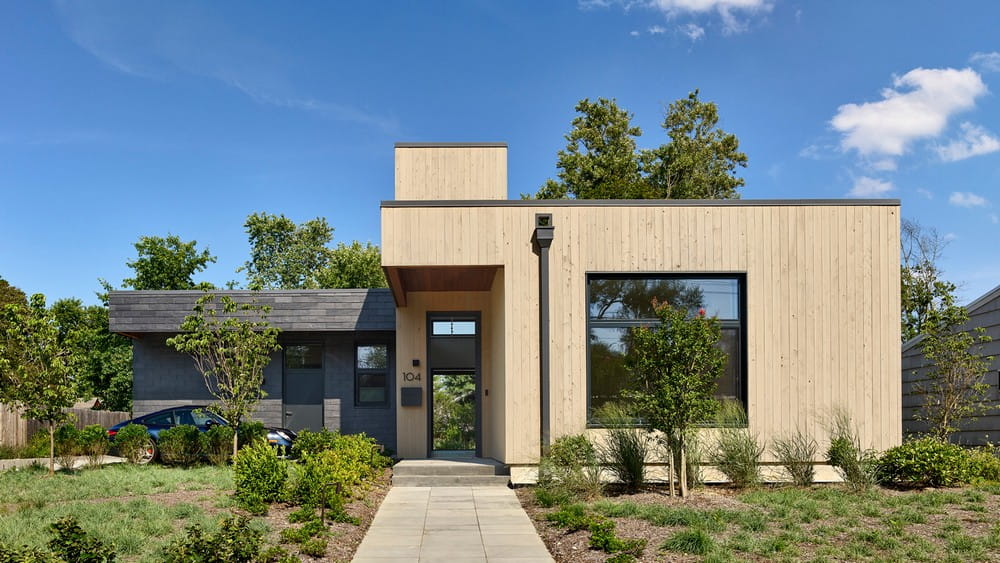
The building envelope—walls, roof, windows, and foundation—plays a pivotal role in energy conservation. Underestimating the importance of insulation, air sealing, and high-performance windows is a frequent and costly oversight.
- Low insulation levels: Using code-minimum insulation rather than exceeding standards can prevent true net-zero performance.
- Poor air sealing: Gaps and leaks allow conditioned air to escape, undermining efficiency and comfort.
- Subpar windows and doors: Skimping on window quality introduces thermal bridging and heat loss.
Regular blower door tests and thermal imaging can help identify and address these issues before they become expensive problems.
Overlooking Mechanical System Sizing and Integration
Mechanical systems—heating, cooling, ventilation, and hot water—must be carefully sized and integrated with the building envelope. Oversizing or undersizing equipment is a common mistake that leads to inefficiency and discomfort.
- Improper HVAC sizing: Systems that are too large cycle on and off frequently, wasting energy and reducing lifespan. Undersized systems struggle to maintain comfort.
- Poor ventilation planning: Inadequate fresh air exchange can lead to indoor air quality issues and moisture problems.
- Ignoring renewable integration: Not planning for future solar, battery, or smart home upgrades can limit flexibility and value.
Working with experienced professionals is key. For guidance on selecting the right team, refer to the net-zero home contractor selection article.
Underestimating the Importance of Monitoring and Verification
Even the best-designed net-zero homes can underperform if not properly monitored. Failing to track energy use and system performance makes it difficult to identify and correct issues.
- No energy monitoring: Without real-time data, inefficiencies can go unnoticed for months or years.
- Lack of commissioning: Skipping professional system checks at project completion can leave hidden problems unresolved.
Installing smart energy monitors and conducting regular system audits are essential practices for maintaining net-zero status.
Choosing the Wrong Materials and Technologies
Not all green products or technologies are created equal. Selecting materials based solely on marketing claims, rather than proven performance, can compromise durability and efficiency.
- Unproven products: Relying on new or untested materials can introduce unexpected failures.
- Ignoring embodied carbon: Focusing only on operational energy while neglecting the carbon footprint of materials undermines the broader sustainability goal.
Consulting resources like net-zero energy home design best practices can help you make informed decisions about materials and systems.
Failing to Educate Occupants
Even the most advanced home will not perform as intended if the occupants are not aware of how to use its features. Overlooking occupant training leads to inefficient operation and frustration.
- Complex controls: Systems that are difficult to use may be ignored or misused.
- Lack of guidance: Not providing clear instructions on ventilation, heating, or renewable systems can result in higher energy use.
Educating homeowners and providing simple, accessible manuals ensures the building operates at peak efficiency for years to come.
How to Prevent Costly Net-Zero Construction Errors
To avoid these common pitfalls, consider the following best practices:
- Start with a clear, realistic plan—define your goals, budget, and timeline before breaking ground.
- Engage experienced professionals—architects, builders, and consultants with net-zero expertise are invaluable.
- Prioritize envelope performance—invest in insulation, air sealing, and high-quality windows and doors.
- Integrate systems early—coordinate mechanical, electrical, and renewable systems from the start.
- Monitor and verify—install energy monitoring tools and schedule regular system checks.
- Educate occupants—ensure everyone understands how to use and maintain the home’s features.
For a comprehensive overview of the process, the net-zero home construction process guide provides step-by-step insights from planning through completion.
FAQ: Avoiding Pitfalls in Net-Zero Building
What is the most overlooked aspect of net-zero construction?
The most commonly overlooked aspect is the building envelope. Many projects underestimate the impact of insulation and air sealing, which are critical for minimizing energy loss and achieving net-zero status.
How can I ensure my net-zero home performs as designed?
Engage qualified professionals, conduct regular energy monitoring, and schedule commissioning at project completion. Using tools like smart energy monitors and thermal imaging cameras can help identify and address inefficiencies early.
Are net-zero homes more expensive to build?
While initial costs can be higher due to advanced materials and systems, the long-term savings on energy bills and maintenance often offset the upfront investment. Careful planning and avoiding common mistakes help control costs and maximize value.
Where can I find more resources on net-zero home design?
Explore detailed guides such as steps to build net-zero home and net-zero energy home design best practices for further reading and expert advice.
