
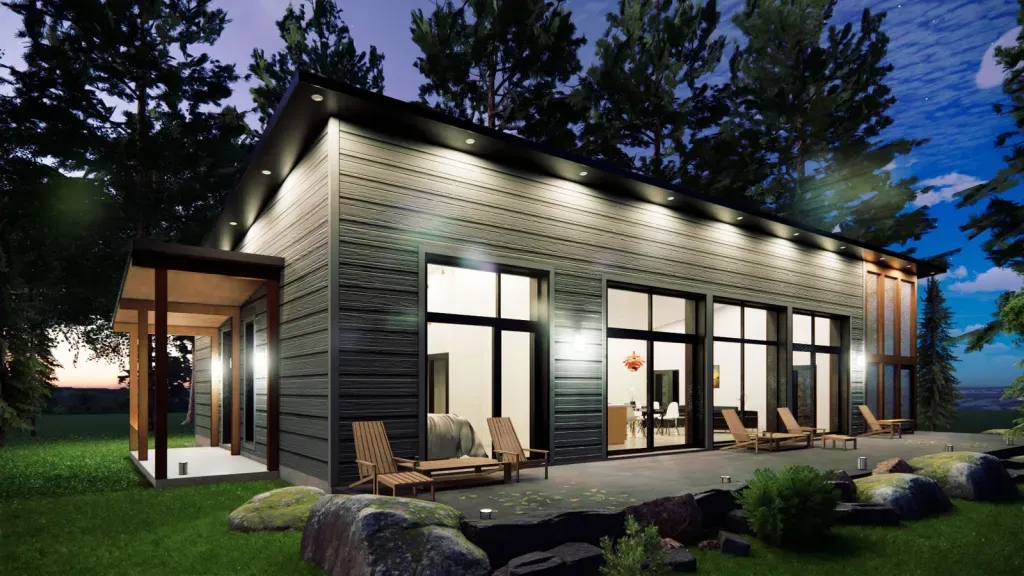
As the demand for sustainable living grows, the need for innovative structural systems net-zero housing solutions has never been more urgent. Net-zero homes are designed to produce as much energy as they consume, drastically reducing their environmental impact. Achieving this ambitious goal requires careful planning, advanced engineering, and a deep understanding of how structural choices influence energy efficiency, durability, and long-term performance.
This article explores the essential elements of structural design for net-zero homes, examining materials, construction methods, and engineering strategies that support energy-neutral living. Whether you’re a homeowner, builder, or designer, understanding these systems is key to creating homes that are both resilient and environmentally responsible.
Before diving into the technical details, it’s important to recognize that the journey to a net-zero home begins long before construction starts. The planning phase for net-zero construction sets the foundation for success by establishing clear energy goals, selecting the right site, and assembling a knowledgeable project team. Early decisions about orientation, layout, and building envelope design will shape every subsequent step, including the choice of structural system.
Key Principles of Structural Systems for Energy-Neutral Homes
At the heart of every net-zero residence is a carefully engineered structure that balances strength, efficiency, and adaptability. The main objectives of structural systems net-zero housing include:
- Thermal Performance: Minimizing heat loss and gain through advanced insulation and airtight construction.
- Material Efficiency: Using resources with low embodied energy and high durability to reduce environmental impact.
- Integration with Renewable Energy: Supporting solar panels, geothermal systems, and other technologies that enable energy self-sufficiency.
- Resilience: Ensuring the structure withstands climate extremes and adapts to future needs.
These principles guide the selection of materials and construction methods, from the foundation to the roof.
Popular Structural Approaches for Net-Zero Homes
Several construction techniques have proven effective for energy-neutral housing. Each offers unique advantages and considerations:
Insulated Concrete Forms (ICFs)
ICFs are hollow foam blocks or panels that are stacked and filled with reinforced concrete. This method creates a highly insulated, airtight wall system with excellent thermal mass. ICFs are known for their durability, resistance to pests and fire, and ability to maintain stable indoor temperatures. Their robust envelope is ideal for minimizing energy loss, making them a popular choice for net-zero projects.
Structural Insulated Panels (SIPs)
SIPs consist of a rigid foam core sandwiched between two structural facings, usually oriented strand board (OSB). These panels are prefabricated and assembled on-site, resulting in rapid construction and minimal waste. SIPs deliver outstanding insulation and airtightness, two critical factors for achieving net-zero performance. Their precision manufacturing also reduces the risk of thermal bridging and air leaks.
Advanced Wood Framing
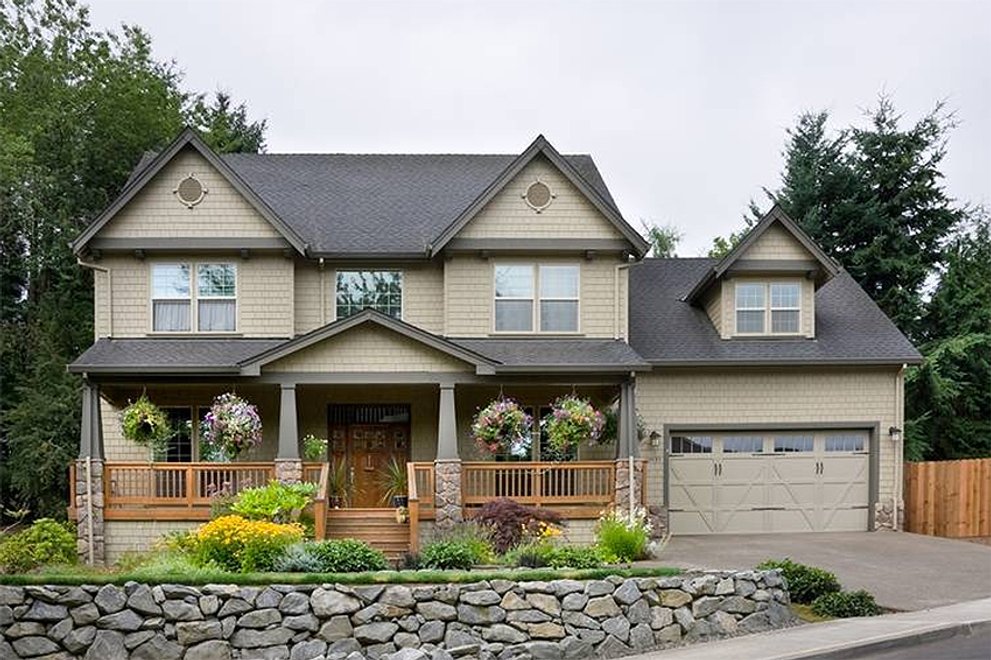
Also known as “optimum value engineering,” this approach reduces lumber use and improves insulation by optimizing stud spacing, using insulated headers, and minimizing unnecessary framing members. When combined with high-performance insulation and air sealing, advanced wood framing can deliver cost-effective, energy-efficient results. This method is especially attractive for builders familiar with traditional wood construction who want to achieve net-zero standards.
Mass Timber and Engineered Wood
Mass timber products like cross-laminated timber (CLT) and glue-laminated beams offer strength, sustainability, and aesthetic appeal. These engineered wood systems sequester carbon and can be prefabricated for rapid assembly. Their thermal properties, when paired with proper insulation, contribute to the overall energy efficiency of the building envelope.
Envelope Design: The Backbone of Net-Zero Performance
The building envelope—walls, roof, and foundation—plays a decisive role in achieving net-zero energy goals. High-performance envelopes rely on:
- Continuous Insulation: Eliminating thermal bridges and ensuring even coverage across all surfaces.
- Airtight Construction: Using advanced membranes, tapes, and sealants to prevent air leakage.
- High-Performance Windows and Doors: Installing triple-glazed units with insulated frames to minimize heat transfer.
- Moisture Management: Incorporating vapor barriers and drainage planes to protect against condensation and water intrusion.
These envelope strategies are essential for reducing heating and cooling loads, allowing renewable energy systems to meet the home’s needs more easily.
Integrating Mechanical and Renewable Energy Systems
Structural systems must support not only the building’s weight but also the integration of mechanical and renewable energy components. Key considerations include:
- Roof Load Capacity: Ensuring the structure can accommodate solar panels or green roofs.
- Mechanical Chases: Designing pathways for ductwork, plumbing, and wiring without compromising insulation or airtightness.
- Thermal Mass: Using concrete or masonry elements to moderate indoor temperatures and reduce peak energy demand.
Successful integration requires close collaboration between architects, engineers, and energy consultants from the earliest design stages. For a step-by-step overview of the process, see the net-zero home construction process guide.
Material Choices and Environmental Impact
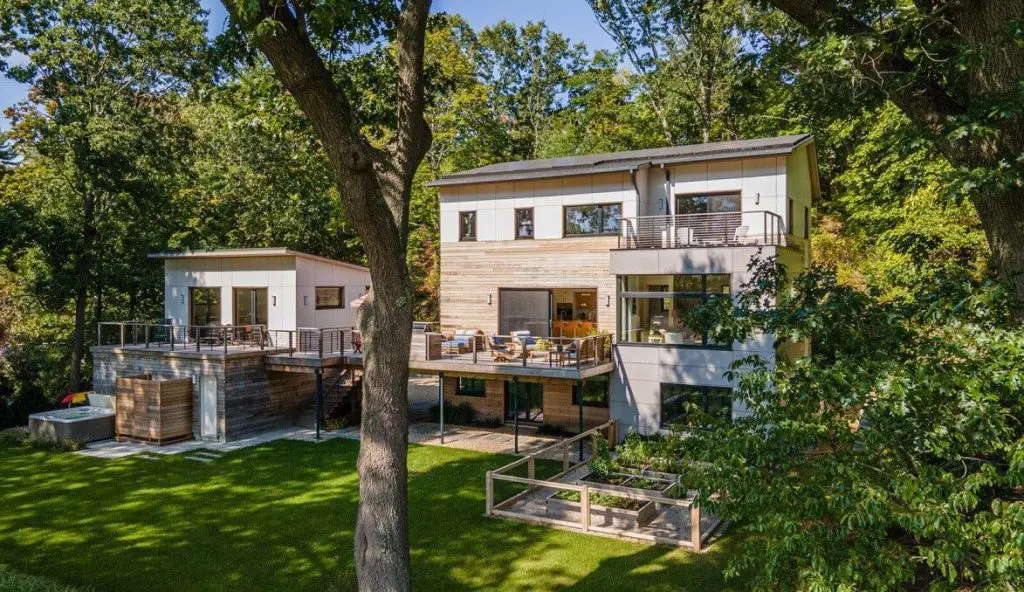
Material selection is a crucial aspect of sustainable structural design. Builders and designers should evaluate options based on:
- Embodied Carbon: The total greenhouse gas emissions associated with material extraction, manufacturing, and transport.
- Longevity: Choosing materials that resist decay, pests, and weathering to reduce maintenance and replacement needs.
- Recyclability: Favoring products that can be reused or recycled at the end of their life cycle.
- Local Sourcing: Reducing transportation emissions by selecting materials produced nearby.
For example, engineered wood and recycled steel offer strong structural performance with lower environmental footprints compared to conventional concrete or masonry. The use of natural insulation materials, such as cellulose or mineral wool, further enhances sustainability.
Best Practices for Engineering and Construction
To ensure that a home truly achieves net-zero status, it’s essential to follow best practices throughout the design and build process:
- Integrated Design: Bring together architects, engineers, contractors, and energy consultants from the start to optimize every aspect of the project.
- Energy Modeling: Use simulation tools to predict energy use and refine the design for maximum efficiency.
- Quality Assurance: Conduct blower door tests, thermal imaging, and commissioning to verify airtightness and system performance.
- Continuous Improvement: Learn from completed projects and adapt strategies to local climate, codes, and occupant needs.
For those seeking expert help, the net-zero home contractor selection guide can help you find professionals with the right experience and credentials.
Cost Considerations and Long-Term Value
While the upfront investment in high-performance structural systems can be higher than conventional construction, the long-term benefits are substantial. Lower energy bills, increased comfort, and reduced maintenance costs all contribute to a favorable return on investment. Additionally, net-zero homes often command higher resale values and may qualify for incentives or rebates.
For a comprehensive look at the steps involved in building a zero-energy home, refer to the 10 essential steps to build a net-zero home resource.
Looking Ahead: The Future of Net-Zero Structural Engineering
Advancements in materials science, prefabrication, and digital design are rapidly expanding the possibilities for sustainable housing. Emerging trends include:
- Modular Construction: Factory-built components that reduce waste and speed up assembly.
- Smart Monitoring: Integrated sensors and controls that optimize energy use and detect issues early.
- Biobased Materials: Innovations in hempcrete, mycelium, and other renewable products.
For more on how these innovations are shaping the industry, see this in-depth look at net-zero building trends.
Frequently Asked Questions
What is the most energy-efficient structural system for net-zero homes?
There is no single “best” system, but insulated concrete forms (ICFs) and structural insulated panels (SIPs) are widely recognized for their superior insulation and airtightness. The optimal choice depends on climate, budget, and project goals.
How do structural choices affect renewable energy integration?
Structural design must account for the weight and placement of solar panels, geothermal loops, and other renewable systems. Proper planning ensures these elements are safely and efficiently incorporated without compromising the building envelope.
Are net-zero structural systems more expensive than traditional methods?
Initial costs can be higher due to advanced materials and construction techniques. However, long-term savings on energy bills, maintenance, and potential incentives often offset the upfront investment.
Conclusion
Building a net-zero home requires a holistic approach to structural engineering, material selection, and system integration. By prioritizing thermal performance, airtightness, and renewable energy compatibility, today’s builders and homeowners can create residences that are both sustainable and future-ready. As technology and best practices evolve, the path to energy-neutral living becomes more accessible and rewarding for all.
