
As the push for sustainable living accelerates, automation systems net-zero houses are becoming a cornerstone of modern, eco-friendly home design. These advanced solutions combine smart controls, sensors, and integrated platforms to minimize energy consumption, optimize comfort, and support the goal of net-zero energy use. For homeowners, builders, and renovators, understanding how these technologies work—and how they can be implemented—is essential for achieving both environmental and economic benefits.
Net-zero homes are designed to produce as much energy as they consume over the course of a year, typically through a combination of high-efficiency construction, renewable energy sources, and intelligent management of resources. Automation systems play a crucial role in this equation by ensuring that every watt is used wisely and that the home adapts in real time to changing conditions. If you’re interested in a deeper dive into the broader landscape of smart home technology for net-zero homes, you’ll find more insights on how these systems integrate with other sustainable solutions.
Understanding Net-Zero Living and the Role of Automation
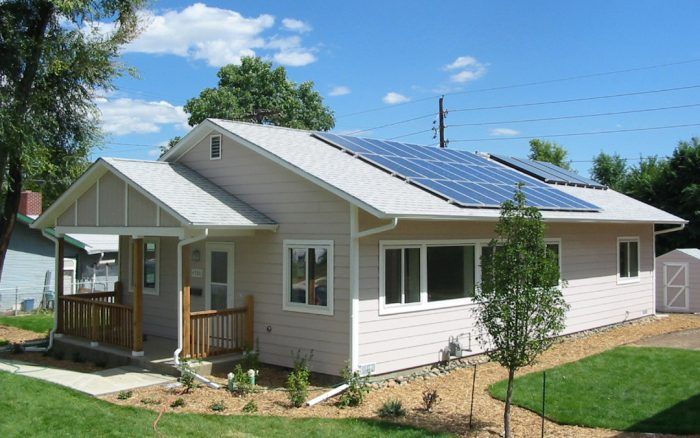
Net-zero homes are built to balance energy consumption with on-site renewable energy production, resulting in a net annual energy usage of zero. Achieving this balance requires more than just solar panels or superior insulation—it demands a holistic approach to energy management. That’s where automation systems come in, providing the intelligence and control necessary to fine-tune every aspect of home operation.
These systems typically include:
- Smart thermostats and climate controls
- Automated lighting and shading
- Real-time energy monitoring
- Integration with renewable energy sources
- Remote access and scheduling via mobile devices
By continuously monitoring and adjusting the home’s systems, automation platforms help reduce waste, lower utility bills, and maintain a comfortable indoor environment. For a comprehensive overview of what defines these buildings, see this guide to net-zero buildings.
Key Components of Automation in Sustainable Homes
To maximize efficiency, automation systems for net-zero homes rely on a network of interconnected devices and controls. Here are some of the most impactful components:
Smart Energy Monitoring
Real-time energy monitoring is at the heart of any automated net-zero home. Devices like the Emporia Vue 3 allow homeowners to track energy use by circuit, appliance, or even room. This granular data enables informed decisions about when and how to use energy-intensive devices, and can highlight opportunities for further savings.
Automated HVAC and Climate Control
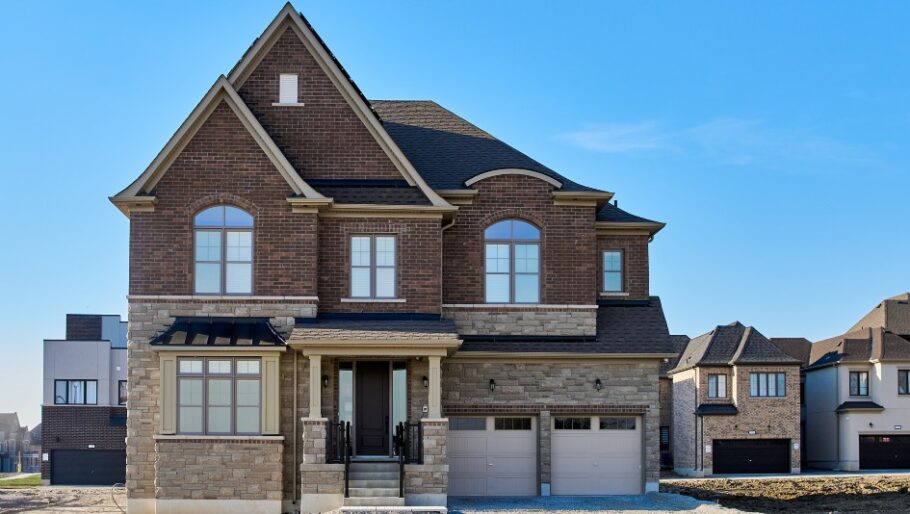
Heating and cooling account for a significant portion of household energy use. Automated HVAC systems leverage occupancy sensors, weather forecasts, and user preferences to adjust temperatures dynamically. This ensures comfort while avoiding unnecessary energy expenditure. Integration with smart vents and window controls further enhances efficiency by directing conditioned air only where it’s needed.
Lighting and Shading Automation
Automated lighting systems use motion sensors, daylight harvesting, and scheduling to minimize electricity use. Smart shades and blinds can be programmed to open or close based on sunlight, reducing the need for artificial lighting and helping regulate indoor temperatures. These features work together to support the overall energy goals of the home.
Integrating Renewable Energy with Automation
One of the defining features of a net-zero home is the use of renewable energy sources, such as solar panels or wind turbines. Automation systems play a pivotal role in managing the flow of energy between generation, storage, and consumption. For example, excess solar energy can be automatically directed to charge batteries or power high-demand appliances during peak production hours.
Advanced platforms can also coordinate with utility grids, participating in demand response programs that benefit both the homeowner and the broader community. This level of integration ensures that renewable resources are used to their fullest potential, minimizing reliance on fossil fuels and reducing carbon emissions.
Benefits of Automation for Net-Zero Homeowners
The advantages of implementing automation systems in net-zero houses extend beyond energy savings. Key benefits include:
- Lower utility bills: Automated controls reduce unnecessary energy use, leading to significant cost savings over time.
- Improved comfort: Smart systems maintain optimal indoor conditions without manual intervention.
- Enhanced sustainability: Efficient use of resources supports environmental goals and reduces the home’s carbon footprint.
- Remote management: Homeowners can monitor and adjust systems from anywhere, providing peace of mind and flexibility.
- Increased property value: Modern automation features are attractive to buyers and can boost resale value.
For those interested in the construction process and what to expect when building a sustainable home, the construction timeline for net-zero homes offers a helpful overview.
Challenges and Considerations When Implementing Automation
While the benefits are clear, there are important factors to consider when integrating automation into a net-zero residence:
- Upfront investment: Advanced automation systems can require a higher initial cost, though this is often offset by long-term savings.
- System compatibility: Ensuring that all devices and platforms work seamlessly together is crucial for optimal performance.
- Maintenance and updates: Like any technology, automation systems require regular maintenance and software updates to remain secure and effective.
- Data privacy: With increased connectivity comes the need for robust cybersecurity measures to protect personal information.
Working with experienced professionals is recommended. For guidance on selecting the right team, see the resource on net-zero home contractor selection.
Future Trends in Home Automation and Net-Zero Design
The landscape of automation systems for net-zero homes is rapidly evolving. Emerging trends include:
- AI-driven optimization: Artificial intelligence is enabling systems to learn homeowner habits and predict energy needs more accurately.
- Greater interoperability: Open standards are making it easier to integrate products from different manufacturers.
- Advanced diagnostics: Tools like thermal imaging cameras help identify inefficiencies and inform maintenance decisions.
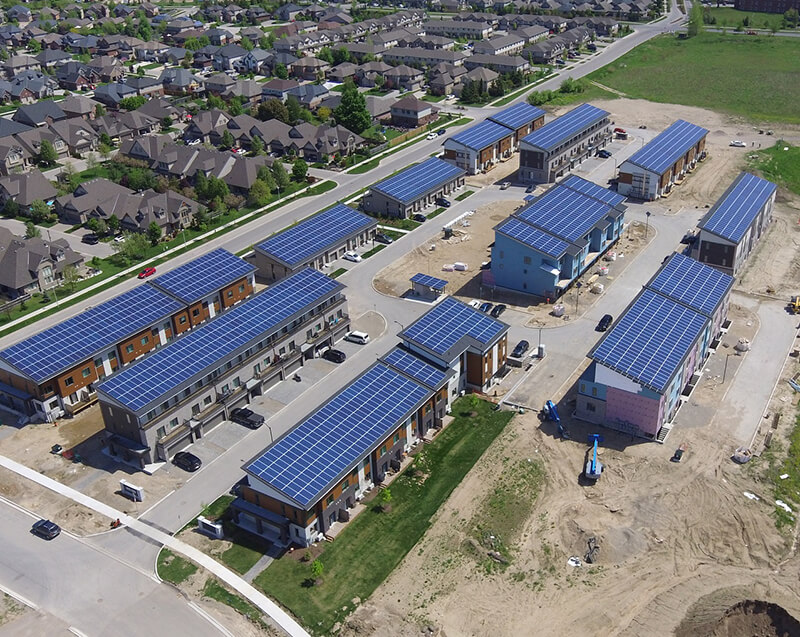
- Community-scale solutions: Some developments are implementing shared energy management systems for entire neighborhoods, amplifying the benefits of automation.
For those interested in the engineering side of sustainable living, the article on structural systems for net-zero housing explores how building design supports these advanced technologies.
Getting Started with Automation in Your Net-Zero Project
Whether you’re building a new home or retrofitting an existing one, the path to a fully automated, energy-efficient residence starts with planning and research. Key steps include:
- Assess your current energy use and identify areas for improvement.
- Consult with professionals experienced in net-zero and smart home integration.
- Choose automation platforms that are scalable and compatible with your goals.
- Plan for future upgrades as technology evolves.
Project management is also critical to ensure timelines and budgets are met. More details can be found in the guide to project management for net-zero construction.
Frequently Asked Questions
What is the main advantage of using automation in a net-zero home?
The primary benefit is the ability to optimize energy use automatically, reducing waste and costs while maintaining comfort. Automation ensures that all systems work together efficiently, supporting the home’s net-zero energy goals.
Can existing homes be upgraded with automation for net-zero performance?
Yes, many automation solutions can be retrofitted into existing homes. While some upgrades—like improved insulation or renewable energy systems—may require more extensive work, smart controls and energy monitoring can often be added with minimal disruption.
How do automation systems interact with renewable energy sources?
Automation platforms manage the flow of energy between generation (like solar panels), storage (such as batteries), and consumption. They can prioritize using renewable energy when available, store excess for later, and even coordinate with the utility grid for maximum efficiency.
