
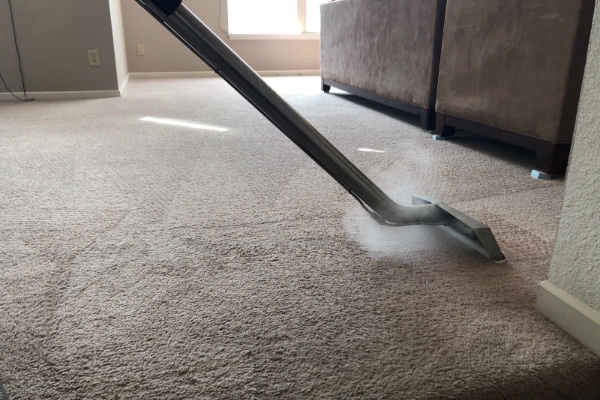
Maintaining a healthy indoor environment is a priority for many homeowners, especially as concerns about allergens, dust, and pollutants continue to rise. Among the various cleaning methods available, steam cleaning stands out for its ability to address both visible dirt and invisible contaminants. But does steam cleaning improve indoor air and contribute to a fresher, healthier home? This article explores how this cleaning technique can impact the air you breathe, the science behind it, and practical ways to maximize its benefits.
Whether you’re dealing with pet dander, pollen, or the everyday buildup of dust, understanding the relationship between deep cleaning and air quality can help you make informed choices for your living space. For those with pets, you may also find our pet hair removal from carpet indoor hygiene tips helpful in maintaining a cleaner, healthier home.
Understanding the Connection Between Steam Cleaning and Indoor Air
Indoor air quality is influenced by a range of factors, including the presence of dust mites, bacteria, mold spores, and chemical residues. Carpets, upholstery, and other soft furnishings can trap these particles, gradually releasing them back into the air with every step or movement. Traditional cleaning methods like vacuuming may remove surface debris, but they often leave behind microscopic pollutants.
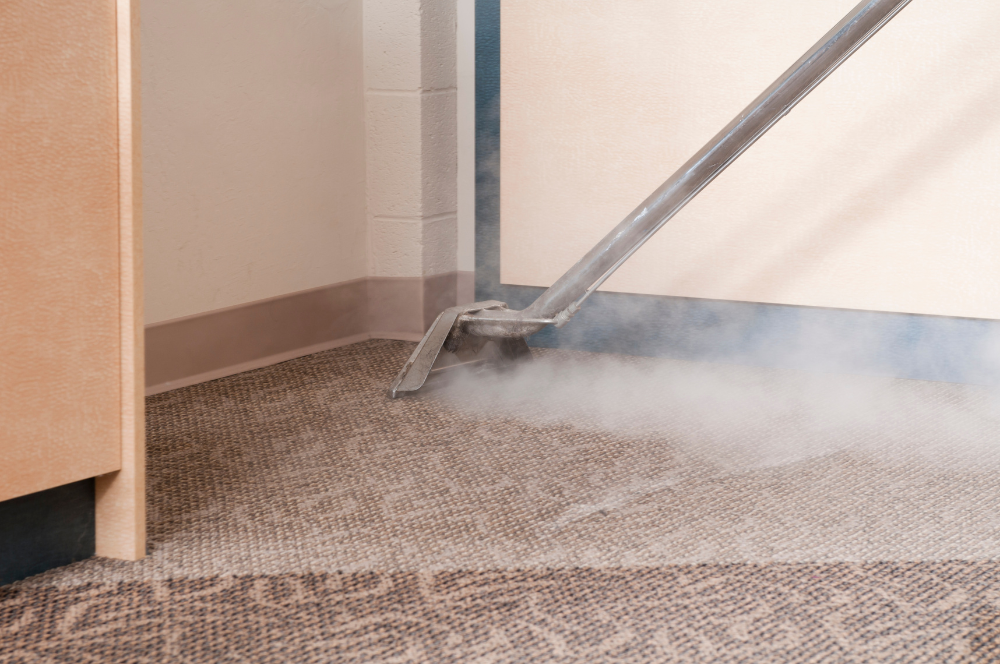
Steam cleaning uses high-temperature vapor to penetrate deep into fibers, breaking down and extracting contaminants that standard cleaning might miss. This process not only removes visible stains but also targets the hidden particles that can degrade air quality over time.
How Does Steam Cleaning Improve Indoor Air?
The core question—does steam cleaning improve indoor air—can be answered by examining how this method works at a microscopic level. Here are several ways steam cleaning contributes to a healthier atmosphere indoors:
- Elimination of Allergens: High-temperature steam kills dust mites, bacteria, and mold spores, which are common triggers for allergies and asthma.
- Removal of Embedded Dirt: Steam penetrates deep into carpet and upholstery fibers, loosening and extracting dirt, pet dander, and pollen that vacuums may leave behind.
- Reduction of Chemical Residues: Unlike some traditional cleaning methods that rely on harsh chemicals, steam cleaning primarily uses water. This minimizes the risk of chemical residues lingering in your home and affecting air quality.
- Neutralization of Odors: By targeting the source of odors—such as bacteria and mold—steam cleaning helps keep indoor spaces smelling fresh without masking scents with artificial fragrances.
Scientific Evidence Supporting Steam Cleaning’s Impact on Air Quality
Several studies and industry reports support the effectiveness of steam cleaning in reducing indoor pollutants. For example, research has shown that steam treatment can significantly decrease the presence of dust mites and bacteria in carpets and mattresses. By removing these contaminants, the method can help reduce respiratory irritants and improve overall air freshness.
According to guidance on maintaining carpets for better indoor environments, regular deep cleaning—especially with steam—can extend the life of your flooring and contribute to a cleaner, healthier home.

Benefits of Steam Cleaning for Allergy and Asthma Sufferers
People with allergies or asthma are particularly sensitive to indoor pollutants. Dust mites, pet dander, and mold spores can trigger symptoms and make daily life uncomfortable. Regular deep cleaning with steam can help reduce these triggers by:
- Destroying dust mites and bacteria at high temperatures.
- Removing fine particles that contribute to respiratory irritation.
- Minimizing the need for chemical cleaners, which can sometimes worsen symptoms.
For pet owners, combining steam cleaning with effective pet hair removal from carpet fast cleaning tips can further enhance air quality and comfort.
Best Practices for Maximizing Air Quality with Steam Cleaning
To get the most out of your steam cleaner and ensure a noticeable improvement in your home’s air, consider these practical tips:
- Vacuum First: Remove loose dirt and debris before steam cleaning to allow the vapor to penetrate more effectively.
- Focus on High-Traffic Areas: Entryways, living rooms, and bedrooms often accumulate the most dust and allergens.
- Use Clean Water: Always fill your steam cleaner with fresh water to avoid spreading contaminants.
- Allow Surfaces to Dry: Proper ventilation after cleaning helps prevent mold growth and ensures that moisture doesn’t linger.
- Maintain a Regular Schedule: Deep cleaning every few months can keep pollutant levels low and maintain a healthy indoor environment.
Comparing Steam Cleaning to Other Methods for Indoor Air Quality
While vacuuming and dry cleaning methods are useful for routine maintenance, they often fall short in removing deeply embedded contaminants. Chemical-based cleaners may leave residues that can affect sensitive individuals or contribute to indoor pollution. In contrast, steam cleaning offers a chemical-free approach that not only cleans surfaces but also sanitizes them, making it a preferred choice for those concerned about air purity.
For homes with pets, pairing steam cleaning with pet hair removal from carpet without damaging fibers can further reduce airborne particles and allergens.
Maintaining Results After Deep Cleaning
To sustain the benefits of improved air, it’s important to combine steam cleaning with other good habits:
- Regularly change HVAC filters to trap airborne particles.
- Use doormats and remove shoes indoors to minimize dirt tracked in from outside.
- Address spills and stains promptly to prevent mold and bacteria growth.
- Consider using air purifiers in conjunction with regular cleaning for optimal results.
For busy households, establishing a pet hair removal routine for busy pet owners can help keep both floors and air cleaner between deep cleans.
Frequently Asked Questions
Does steam cleaning remove all allergens from carpets and upholstery?
While steam cleaning is highly effective at killing dust mites, bacteria, and mold spores, no method can guarantee 100% removal of all allergens. However, regular use can significantly reduce allergen levels and improve comfort for sensitive individuals.
How often should I use a steam cleaner to maintain good air quality?
For most homes, deep cleaning with steam every 3–6 months is sufficient. Households with pets, children, or allergy sufferers may benefit from more frequent sessions, especially in high-traffic areas.
Is steam cleaning safe for all types of carpets and fabrics?
Most modern carpets and upholstery can be safely steam cleaned, but it’s important to check manufacturer recommendations first. Delicate or non-colorfast materials may require special care or alternative cleaning methods.
Can steam cleaning help with pet hair and odors?
Yes, steam cleaning can loosen and remove pet hair embedded in fibers and neutralize odors caused by bacteria. For best results, combine it with targeted pet hair removal from carpet using pulling motion techniques.
Does steam cleaning use chemicals?
Steam cleaning primarily uses water heated to high temperatures, making it a chemical-free cleaning option. Some machines allow for the addition of cleaning solutions, but these are optional and should be chosen carefully to avoid introducing unnecessary chemicals into your home.
