
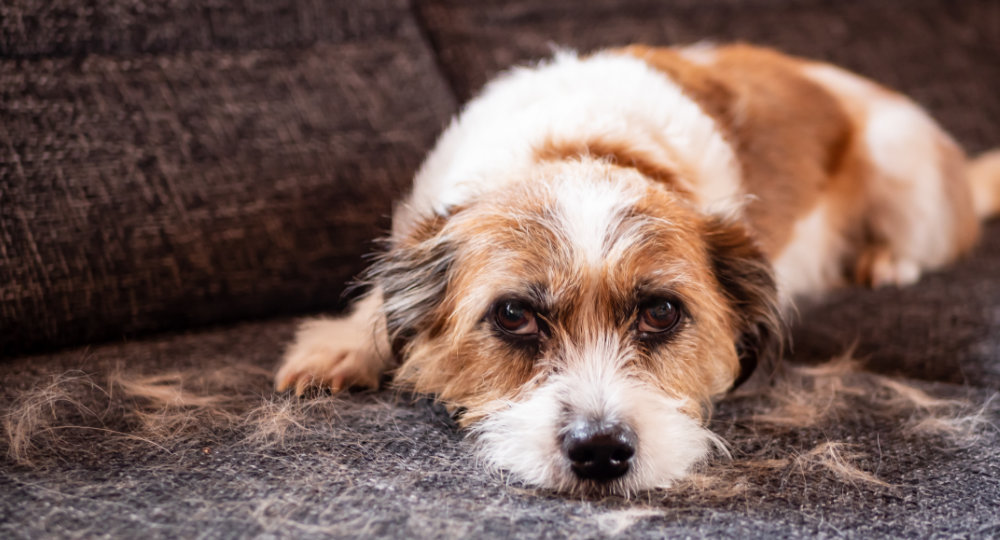
Pet owners know that keeping carpets free of fur is a constant challenge. Whether you have a dog, cat, or another furry companion, their hair quickly embeds itself in carpet fibers, affecting both cleanliness and indoor air quality. Understanding how often to remove pet hair from carpet is essential for maintaining a healthy, comfortable home and prolonging the life of your flooring.
Regular removal of pet hair not only keeps your living space looking tidy but also helps reduce allergens and odors. The right cleaning frequency depends on several factors, including the number of pets, their shedding habits, and the type of carpet you have. In this guide, you’ll find practical advice for setting an effective cleaning schedule, recommended tools and methods, and tips to make pet hair management easier.
For more detailed strategies on keeping your home clean, check out pet hair removal from carpet indoor hygiene tips for additional insights.
Why Regular Pet Hair Removal Matters
Pet hair buildup in carpets can cause more than just an unsightly appearance. Over time, fur can trap dust, dander, and allergens, contributing to respiratory issues and unpleasant smells. Embedded hair is also abrasive, which may wear down carpet fibers and reduce the lifespan of your flooring. By staying on top of pet hair removal, you help maintain a healthier environment for everyone in your home.
- Reduces allergens that can trigger asthma and allergies
- Prevents odors from lingering in carpet fibers
- Protects carpet fibers from excessive wear and matting
- Keeps your home looking clean and inviting
Recommended Frequency for Removing Pet Hair
How often you should tackle pet hair on carpets depends on your household’s unique situation. Here are some general guidelines to help you decide on the best cleaning schedule:
- Daily: If you have multiple pets or breeds that shed heavily, a quick daily pass with a vacuum or pet hair tool can make a big difference.
- 2–3 Times a Week: For homes with moderate shedding, aim for a thorough vacuuming or brushing every other day.
- Weekly: If your pet is a light shedder or spends most of their time outdoors, a weekly deep clean may suffice.
Consistency is key. Even if you don’t see visible fur, pet hair can accumulate below the surface, so regular attention is important. For those with allergies or sensitive family members, increasing the frequency of cleaning can help minimize symptoms.
Factors That Affect Cleaning Frequency
Several variables influence how often you’ll need to remove pet hair from carpets:
- Type of Pet: Some breeds shed more than others. Long-haired dogs and cats typically require more frequent cleaning than short-haired varieties.
- Seasonal Shedding: Many pets shed more during spring and fall. Adjust your cleaning routine during these peak times.
- Carpet Material: Plush or high-pile carpets trap more hair than low-pile or looped varieties, often requiring more frequent attention.
- Household Size: More pets and people mean more hair and debris in general.
- Allergy Concerns: If anyone in your home is sensitive to pet dander, increase cleaning frequency to reduce exposure.
Best Tools and Methods for Pet Hair Removal
Choosing the right tools can make the process of removing pet hair from carpets much more efficient. Here are some effective options:
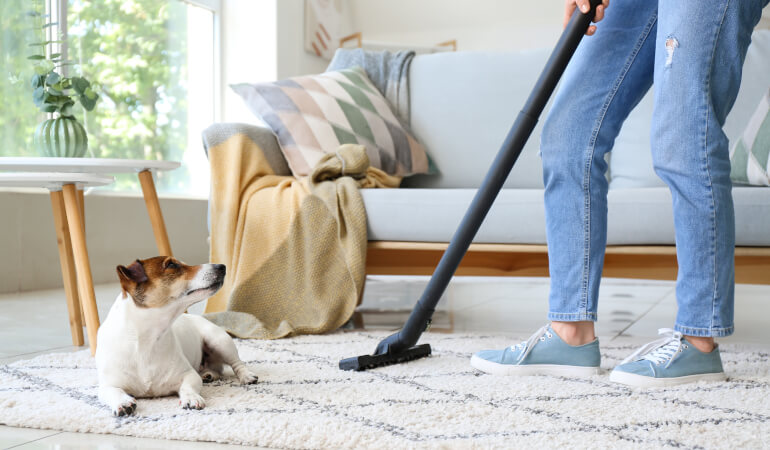
- Vacuum Cleaners with Pet Attachments: These are designed to lift stubborn hair from carpet fibers. Look for models with strong suction and HEPA filters.
- Rubber Brooms or Carpet Rakes: The static charge and textured bristles help gather hair into clumps for easy removal.
- Lint Rollers: Handy for spot cleaning and smaller areas.
- Microfiber Cloths or Damp Sponges: These can help pick up hair that vacuums leave behind.
For a step-by-step guide on effective techniques, see pet hair removal from carpet without damaging fibers to avoid harming your carpet while cleaning.
Tips for Making Pet Hair Removal Easier
Staying on top of fur doesn’t have to be overwhelming. Here are some practical tips to streamline your routine:
- Brush Your Pets Regularly: Grooming your pets outside or in a designated area helps reduce the amount of hair that ends up on your carpets.
- Use Doormats and Area Rugs: Placing mats at entrances and washable rugs in high-traffic areas can help trap hair before it reaches the carpet.
- Maintain a Cleaning Schedule: Set reminders to vacuum or use a pet hair tool at regular intervals based on your needs.
- Try Different Directions: Vacuuming or brushing in multiple directions can help loosen and lift embedded hair.
- Deep Clean Periodically: Steam cleaning or professional carpet cleaning every few months removes deeply embedded fur and refreshes your flooring.
If you’re short on time, explore the pet hair removal routine for busy pet owners for efficient strategies tailored to hectic schedules.
Advanced Techniques and Expert Advice
For especially stubborn pet hair or high-shedding breeds, consider these advanced strategies:
- Use a Squeegee: A window squeegee can be surprisingly effective at pulling hair from carpet fibers.
- Try Baking Soda: Sprinkle baking soda before vacuuming to loosen hair and neutralize odors.
- Invest in a Robotic Vacuum: Automated vacuums can help maintain a baseline of cleanliness with minimal effort.
For more expert tips, you can read this comprehensive guide to getting dog hair out of carpet for additional advice and product recommendations.

How to Maintain Carpets Between Deep Cleans
Even with a regular routine, some pet hair will inevitably settle into your carpet. To keep things manageable between deep cleans:
- Spot clean problem areas as soon as you notice buildup.
- Encourage pets to use their own beds or mats, which can be washed more frequently.
- Rotate furniture occasionally to prevent hair accumulation in hard-to-reach spots.
- Consider using a carpet rake or rubber broom for a quick refresh between vacuuming sessions.
For quick solutions, see pet hair removal from carpet fast cleaning tips for time-saving ideas.
FAQ
How can I tell if I need to clean pet hair from my carpet more often?
If you notice visible fur, increased allergy symptoms, or odors, it’s a sign that your current routine may not be frequent enough. High-traffic areas and spots where pets like to rest often need extra attention.
What’s the best way to remove deeply embedded pet hair?
Use a vacuum with a motorized brush roll, followed by a rubber broom or carpet rake. For stubborn spots, a damp microfiber cloth or squeegee can help lift hair to the surface for easy removal.
Are there any carpet types that resist pet hair better?
Low-pile and looped carpets tend to trap less hair than plush or shag varieties, making them easier to keep clean. However, regular maintenance is still important regardless of carpet type.
Can frequent vacuuming damage my carpet?
Using a vacuum designed for carpets and following the manufacturer’s recommendations will not harm your flooring. In fact, regular cleaning helps extend the life of your carpet by preventing buildup and matting.
Conclusion
Managing pet hair on carpets is an ongoing task, but with the right routine and tools, it becomes much more manageable. By adjusting your cleaning frequency based on your household’s needs and using effective removal methods, you can enjoy a cleaner, healthier home with your pets. For more specialized techniques, explore pet hair removal from carpet using pulling motion to further refine your approach.
