
Achieving spotless, refreshed flooring with a professional or DIY deep clean is a great feeling. However, the real challenge begins once the cleaning is done: keeping your carpet looking and feeling its best for as long as possible. Proper upkeep after a thorough wash not only preserves the fresh appearance but also extends the life of your carpet. In this guide, you’ll find practical strategies for how to maintain carpet after deep cleaning, minimize re-soiling, and protect your investment.
If you share your home with pets, you may also want to explore pet hair removal from carpet indoor hygiene tips for additional maintenance solutions.
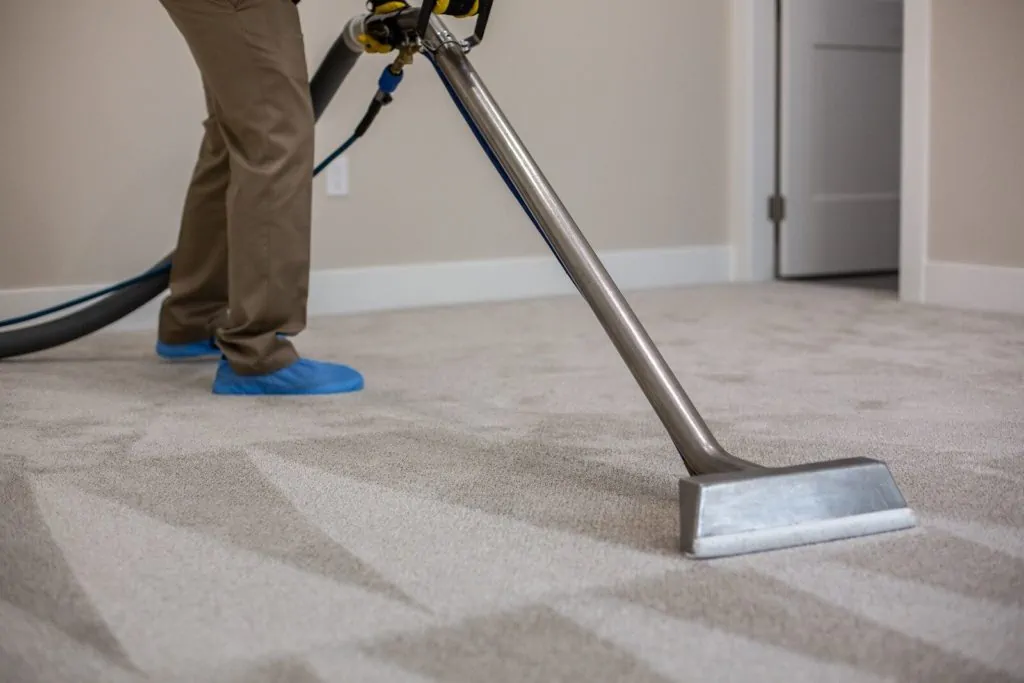
Why Post-Cleaning Maintenance Matters
After a deep wash, carpet fibers are at their cleanest and most vulnerable. Dirt, dust, and spills can quickly undo your efforts if you don’t adopt a regular care routine. Proactive maintenance helps prevent stains from setting, reduces allergens, and preserves the texture and color of your flooring.
Immediate Steps After Deep Cleaning
The first 24–48 hours after a deep clean are crucial for protecting your carpet. Here’s what you should do right away:
- Allow complete drying: Avoid walking on the carpet until it’s fully dry. Use fans, open windows, or dehumidifiers to speed up the process and prevent mold or mildew.
- Keep furniture off: Wait until the carpet is dry before moving furniture back. If you must replace items sooner, use protective pads or foil under legs to avoid stains or indentations.
- Limit foot traffic: Encourage family members and guests to stay off the freshly cleaned area until it’s ready for use.
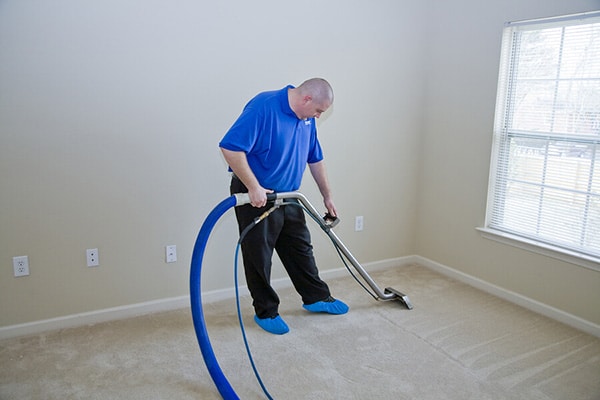
Routine Practices for Lasting Results
To keep your carpet looking fresh, incorporate these habits into your weekly routine:
- Vacuum regularly: Aim for at least twice a week, or more if you have pets or high foot traffic. Frequent vacuuming prevents dirt from settling deep into fibers.
- Spot clean promptly: Address spills and stains as soon as they occur. Blot (don’t rub) with a clean cloth and use a mild carpet spray for tougher spots.
- Use doormats and area rugs: Place mats at entrances and runners in high-traffic zones to catch dirt before it reaches your carpet.
- Remove shoes indoors: Encourage a no-shoes policy to reduce the amount of debris and oils tracked onto your flooring.
Protecting Carpet Fibers After a Deep Clean
Maintaining the integrity of your carpet fibers is essential for long-term durability. Here are some tips for ongoing protection:
- Rotate furniture: Change the layout occasionally to prevent permanent indentations and uneven wear.
- Use furniture coasters: Place coasters or pads under heavy items to distribute weight and avoid crushing the pile.
- Groom the fibers: Use a carpet rake or brush to lift and realign fibers, especially in high-traffic areas.
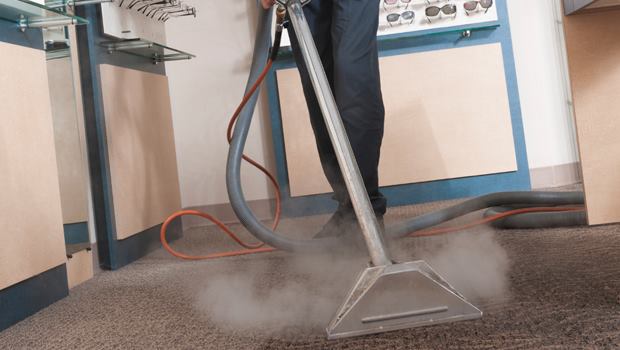
Preventing Re-Soiling and Stains
Even after a deep clean, carpets are prone to attracting new dirt and stains. To minimize re-soiling:
- Apply carpet protectant: After cleaning, consider using a fiber protector spray to help repel spills and dirt.
- Address pet hair and dander: Regularly remove pet hair using a vacuum with a HEPA filter or a dedicated pet hair removal tool. For more tips, see pet hair removal from carpet fast cleaning tips.
- Monitor humidity: Keep indoor humidity in check to prevent mold and mildew growth, especially in basements or humid climates.
Special Considerations for Different Carpet Types
Not all carpets are created equal. Wool, synthetic, and blended fibers each have unique care requirements. For example, wool carpets need gentle cleaning agents and minimal moisture. For a detailed guide on natural fiber maintenance, check out this comprehensive wool carpet cleaning tutorial.
How Often Should You Deep Clean?
While regular vacuuming and spot cleaning are essential, a full deep clean is recommended every 12–18 months for most homes. Households with pets, children, or allergy sufferers may benefit from more frequent treatments. Consistent upkeep between deep cleans will make each session more effective and less labor-intensive.
Long-Term Strategies for Carpet Longevity
To maximize the lifespan of your flooring, combine regular maintenance with periodic professional care. Schedule annual or biannual deep cleans, keep up with daily and weekly routines, and address issues as soon as they arise. If you’re a pet owner, rotating between pet hair removal from carpet without damaging fibers and deep cleaning will help maintain both cleanliness and fiber health.
FAQs on Maintaining Carpet After Deep Cleaning
How soon can I walk on my carpet after a deep clean?
It’s best to wait until the carpet is completely dry before walking on it. This usually takes 6–12 hours, but can vary depending on humidity, carpet thickness, and ventilation. Walking on damp carpet can cause re-soiling and may leave footprints or indentations.
What’s the best way to prevent stains after cleaning?
Act quickly when spills occur—blot with a clean, dry cloth and use a gentle carpet cleaner if needed. Applying a carpet protectant after deep cleaning can also help repel future stains and make spot cleaning easier.
How often should I vacuum after a deep clean?
Vacuum at least twice a week to prevent dirt from settling into the fibers. High-traffic areas or homes with pets may require more frequent vacuuming to maintain a fresh appearance and reduce allergens.
Are there special tips for homes with pets?
Yes, regular removal of pet hair and dander is crucial. Use a vacuum designed for pet owners and consider additional resources like pet hair removal from carpet using pulling motion for effective techniques.
Can I use any carpet cleaner spray for spot cleaning?
Always check the manufacturer’s recommendations for your carpet type. Test any new product in a small, inconspicuous area first to ensure it doesn’t cause discoloration or damage.
By following these practical steps and incorporating consistent care into your routine, you’ll enjoy cleaner, healthier carpets for years to come.
