
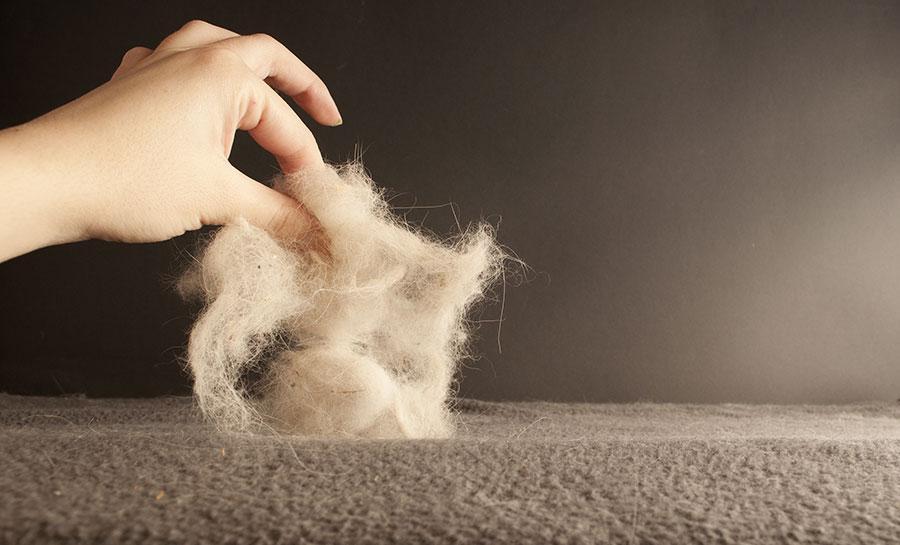
If you share your home with furry companions, you know that keeping carpets free of pet hair can be a constant challenge. Traditional vacuuming often leaves behind stubborn strands, especially in high-traffic areas or deep-pile rugs. Fortunately, there’s a simple, affordable solution that many pet owners swear by: using rubber gloves to lift hair from carpet fibers. This practical approach requires minimal equipment and delivers impressive results, making it a favorite among those seeking effective pet hair removal from carpet using rubber gloves.
In this guide, you’ll discover how to use this clever technique, why it works so well, and how it compares to other methods. We’ll also share tips for maximizing results and keeping your home cleaner between deep cleans. For more comprehensive strategies, you might also want to check out pet hair removal from carpet indoor hygiene tips for maintaining a healthier indoor environment.
Why Rubber Gloves Are Effective for Lifting Pet Hair
Rubber gloves are not just for cleaning dishes—they’re also a surprisingly powerful tool for removing pet hair from carpets. The secret lies in the material: rubber creates friction and static electricity when rubbed against carpet fibers. This action causes hair to clump together, making it much easier to collect and discard.
- Friction: The textured surface of rubber gloves grabs onto hair, loosening it from carpet fibers.
- Static Charge: Rubbing the glove across the surface generates static, which attracts hair like a magnet.
- Control: Using your hands allows you to target corners, stairs, and tight spaces where vacuums struggle.
This method is especially useful for quick touch-ups or for areas where vacuum cleaners leave behind embedded fur. It’s also gentle on most carpet types, reducing the risk of damage compared to aggressive brushing or scraping.
Step-by-Step Guide: Using Rubber Gloves to Remove Pet Hair
Ready to try this hack? Here’s how to tackle pet hair removal from carpet using rubber gloves in just a few simple steps:
- Choose the Right Gloves: Standard household rubber gloves work well. For extra grip, opt for gloves with a textured palm.
- Prepare the Area: Remove any large debris from the carpet. This helps the glove make better contact with the fibers.
- Put on the Gloves: Make sure your hands are dry before slipping on the gloves.
- Dampen the Gloves (Optional): Lightly misting the gloves with water can increase their effectiveness, especially on stubborn hair.
- Rub the Carpet: Using firm, sweeping motions, run your gloved hand over the carpet. You’ll notice hair gathering into clumps.
- Collect the Hair: Pick up the clumps and dispose of them. Rinse the glove as needed to remove buildup.
- Repeat as Necessary: For best results, work in sections and repeat until the area is clean.
Tips for Maximizing Results With the Rubber Glove Technique
While the glove method is straightforward, a few extra tips can help you get the most out of your efforts:
- Work in Small Sections: Focusing on one area at a time ensures you don’t miss spots and makes hair collection easier.
- Use Both Hands: Wearing gloves on both hands can speed up the process, especially for larger rooms.
- Rinse Frequently: Hair can build up on the glove’s surface. Rinse under running water to restore grip.
- Combine With Vacuuming: After using the glove, a quick vacuum pass will pick up any remaining debris and fine particles.
- Try Different Motions: Circular or back-and-forth movements can help dislodge deeply embedded hair.
For more advanced tips, see pet hair removal from carpet fast cleaning tips to streamline your cleaning routine.
Comparing Rubber Gloves to Other Pet Hair Removal Methods
There are several ways to tackle pet hair on carpets, each with its own pros and cons. Here’s how the glove hack stacks up:
| Method | Pros | Cons |
|---|---|---|
| Rubber Gloves | Affordable, reusable, effective for spot cleaning, gentle on fibers | Labor-intensive for large areas, may need frequent rinsing |
| Vacuum Cleaner | Fast, covers large areas, removes dust and allergens | May leave hair behind, especially in thick carpets |
| Pet Hair Broom | Great for hard floors and low-pile carpets, easy to use | Less effective on deep-pile or shag carpets |
| Lint Roller | Good for small spots or upholstery, disposable sheets | Not practical for large carpeted areas |
For those concerned about carpet longevity, explore pet hair removal from carpet without damaging fibers for gentle cleaning techniques.
Maintaining a Pet Hair-Free Carpet
Consistency is key to keeping carpets looking their best. In addition to using the glove method, consider these maintenance tips:
- Groom Pets Regularly: Frequent brushing reduces shedding and keeps hair off your floors.
- Vacuum Often: Use a vacuum with a pet hair attachment for best results.
- Spot Clean High-Traffic Areas: Focus on entryways, pet beds, and favorite lounging spots.
- Deep Clean Periodically: Steam cleaning or professional services can remove embedded dirt and allergens.
For a routine that fits busy lifestyles, see pet hair removal routine for busy pet owners.
Other Resources and Expert Tips
If you’re looking for more ways to tackle fur on carpets and rugs, you’ll find a wealth of ideas in this comprehensive guide to removing dog hair from carpets and rugs. It covers additional methods, from specialized vacuums to DIY solutions, so you can choose the approach that best fits your needs.
For those interested in technique, pet hair removal from carpet using pulling motion explains how different hand movements can improve results with gloves or other tools.
Frequently Asked Questions
Can I use any type of rubber glove for pet hair removal?
Yes, most household rubber gloves will work for this method. Gloves with textured palms or fingers tend to be more effective at gripping hair. Avoid thin disposable gloves, as they may tear or lack the necessary friction.
Is the rubber glove method safe for all carpet types?
This technique is generally safe for most carpets, including synthetic and natural fibers. However, always test a small, inconspicuous area first to ensure there’s no adverse reaction, especially with delicate or antique rugs.
How often should I use this method on my carpets?
The frequency depends on your pet’s shedding and your household’s needs. Many pet owners find that using rubber gloves once or twice a week, in combination with regular vacuuming, keeps carpets looking clean and hair-free.
Are there alternatives if I have a latex allergy?
Absolutely. Nitrile or silicone gloves can be used as an alternative to latex rubber gloves. These materials also generate friction and can help collect pet hair effectively.
Does this method work on upholstery and car interiors?
Yes, the same approach can be applied to upholstered furniture and car seats. Just be gentle to avoid damaging delicate fabrics, and always test first.
