
Sustainable living net-zero homes are transforming the way people think about energy, comfort, and environmental responsibility. These residences are designed to produce as much energy as they consume over the course of a year, resulting in a net-zero energy balance. But the true impact of these homes goes beyond construction and technology—it’s shaped by the daily routines and mindful choices of those who live in them.
Adopting eco-friendly habits in a net-zero environment not only maximizes energy efficiency but also enhances well-being and reduces utility costs. Whether you’re already living in a net-zero home or considering the transition, understanding how everyday actions contribute to a sustainable lifestyle is essential. This article explores practical strategies, smart technologies, and the mindset shifts that make a real difference.
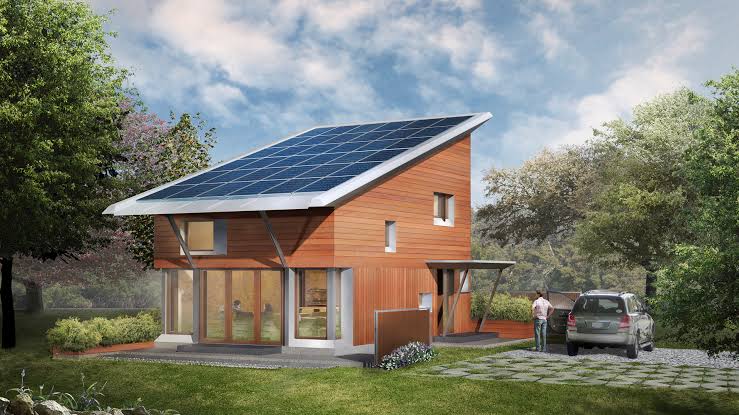
For a deeper look at how these homes affect daily routines and personal responsibility, see the lifestyle impact net-zero housing guide.
Understanding the Net-Zero Home Lifestyle
Living in a net-zero residence is about more than just the building’s design—it’s a commitment to ongoing energy mindfulness. These homes typically feature high-performance insulation, airtight construction, advanced windows, and renewable energy systems, such as solar panels. However, the behavior of occupants plays a crucial role in achieving and maintaining net-zero status.
Key aspects of this lifestyle include:
- Energy Awareness: Monitoring usage and understanding how daily activities affect energy consumption.
- Resource Efficiency: Reducing waste, conserving water, and making conscious choices about appliances and lighting.
- Smart Technology Integration: Leveraging automation and connected devices for optimal performance and comfort.
Daily Habits That Maximize Efficiency
To fully benefit from the potential of sustainable living net-zero homes, it’s important to adopt habits that align with the home’s design and energy systems. Here are some practical routines that make a measurable difference:
Optimize Heating and Cooling
Climate control is often the largest energy draw in any home. In a net-zero setting, small adjustments can have a big impact:
- Set thermostats to eco-friendly temperatures—lower in winter, higher in summer.
- Use programmable or smart thermostats to automate temperature changes based on occupancy and time of day.
- Take advantage of passive solar gain by opening curtains on sunny winter days and closing them during summer heat.
Smart Appliance Use
Modern net-zero homes often include high-efficiency appliances. To get the most from these devices:
- Run dishwashers and washing machines with full loads and during off-peak hours.
- Unplug electronics when not in use or use smart plugs to cut standby power.
- Choose ENERGY STAR-rated appliances for replacements or upgrades.
For more on integrating technology, see smart appliances net-zero construction for high-tech savings and efficiency tips.
Water Conservation Practices
Net-zero homes often include low-flow fixtures and rainwater harvesting systems, but daily habits matter:
- Take shorter showers and turn off the tap while brushing teeth.
- Fix leaks promptly to avoid unnecessary water loss.
- Use collected rainwater for gardening and outdoor cleaning when possible.
Lighting and Daylight Management
Lighting can be a hidden source of energy waste. To reduce consumption:
- Switch to LED bulbs throughout the home.
- Use dimmers and occupancy sensors in common areas.
- Maximize natural light during the day to minimize artificial lighting needs.
Leveraging Technology for Smarter Living
Technology is a cornerstone of sustainable living net-zero homes. Smart systems help residents monitor and adjust their energy use in real time. For example, energy monitors and smart meters provide instant feedback, while home automation platforms allow for remote control of lighting, HVAC, and appliances.
Learn more about how connected devices can enhance your eco-friendly lifestyle in IoT in net-zero homes explained, which covers the integration of smart sensors and controls.
Additionally, using a smart energy monitor or a thermal imaging camera can help identify energy leaks and inefficiencies, ensuring your home operates at peak performance.
Engaging the Whole Household
Success in a net-zero environment depends on everyone in the home. Encourage family members or housemates to participate in energy-saving routines. Setting shared goals, tracking progress, and celebrating milestones can make sustainable living a rewarding group effort.
- Assign energy-saving tasks, such as turning off lights or managing recycling.
- Review utility bills together to spot trends and opportunities for improvement.
- Educate children about the importance of conservation through simple, age-appropriate activities.
Monitoring and Continuous Improvement
Regularly reviewing your home’s energy performance helps maintain net-zero status. Many residents use dashboards or apps to monitor solar production, consumption, and grid interaction. If you notice unexpected spikes in usage, investigate possible causes—such as malfunctioning appliances or changes in routine.
For more advanced optimization, consider exploring AI energy optimization net-zero homes to see how artificial intelligence can automate and refine your home’s energy management.
For those interested in building or upgrading to a net-zero residence, the step-by-step guide to constructing a net-zero home provides detailed insights into design, materials, and best practices.
Benefits Beyond Energy Savings
Embracing a net-zero lifestyle offers advantages that extend beyond lower utility bills. These homes often provide superior indoor air quality, consistent temperatures, and a quieter living environment. Residents also enjoy the peace of mind that comes from reducing their environmental impact and contributing to a more sustainable future.
For those tracking their progress, real time energy tracking homes can help visualize daily, weekly, and monthly trends, making it easier to stay on target.
Ultimately, the journey toward sustainability is ongoing. By making conscious choices each day, you can ensure that your home remains efficient, comfortable, and aligned with your values.
Frequently Asked Questions
What is the biggest daily impact I can make in a net-zero home?
Focusing on heating, cooling, and appliance use typically yields the greatest energy savings. Adjusting thermostats, using smart controls, and running appliances during off-peak hours can significantly reduce overall consumption.
How do I know if my habits are helping maintain net-zero status?
Most net-zero homes are equipped with monitoring systems or apps that track energy production and usage. Reviewing these regularly helps you spot trends and adjust routines as needed.
Are there affordable ways to improve sustainability in an existing home?
Yes. Simple steps like switching to LED lighting, adding weatherstripping, using smart plugs, and being mindful about water use can make a big difference, even if your home isn’t fully net-zero yet.
