
As the urgency to address climate change grows, the concept of carbon footprint net-zero homes has become increasingly relevant. These innovative dwellings are designed to balance the energy they consume with the energy they produce, resulting in a net-zero impact on carbon emissions. For homeowners and builders alike, understanding the environmental, economic, and lifestyle implications of net-zero construction is essential for making informed decisions about sustainable living.
Net-zero homes are not just a trend—they represent a fundamental shift in how we approach residential energy use and environmental responsibility. By integrating advanced building techniques, renewable energy systems, and smart technologies, these homes offer a practical path toward a lower-carbon future. If you are interested in the broader context of sustainable living, you may also find value in zero carbon living explained, which explores how individual choices contribute to a healthier planet.
Understanding Net-Zero Homes and Their Environmental Impact
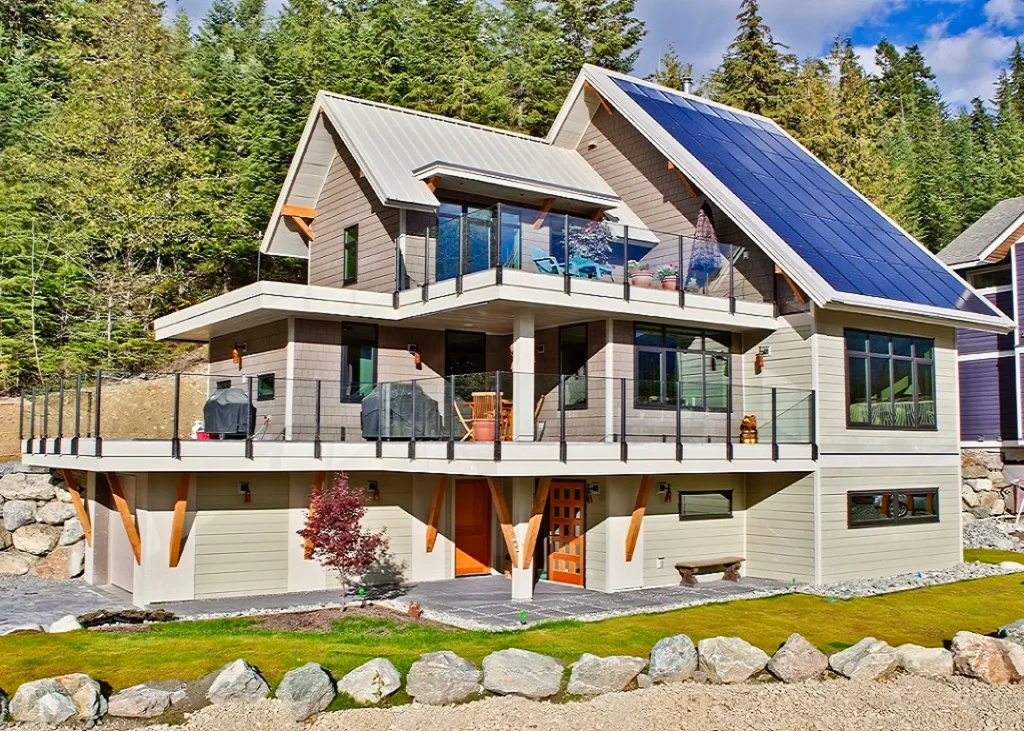
A net-zero home is constructed or retrofitted to produce as much renewable energy as it consumes over the course of a year. This is achieved through a combination of high-efficiency insulation, airtight construction, advanced windows, and on-site energy generation—most commonly solar panels. The result is a dramatic reduction in the household’s carbon footprint, as reliance on fossil fuels is minimized or eliminated.
Compared to conventional houses, net-zero residences can reduce greenhouse gas emissions by up to 80–100%, depending on local energy sources and occupant behavior. By prioritizing energy efficiency and renewable power, these homes directly address the root causes of residential carbon emissions. This approach not only benefits the environment but also lays the foundation for long-term cost savings and improved indoor comfort.
Key Features That Lower Carbon Emissions
Several core elements distinguish net-zero homes from traditional construction. Each feature plays a crucial role in minimizing energy waste and maximizing sustainability:
- High-Performance Insulation: Superior wall, roof, and floor insulation reduces heat loss in winter and heat gain in summer, lowering the need for heating and cooling.
- Airtight Building Envelope: Careful sealing of all joints and penetrations prevents drafts and uncontrolled air leakage, a major source of energy waste.
- Energy-Efficient Windows and Doors: Triple-pane glass and insulated frames help maintain consistent indoor temperatures.
- Renewable Energy Systems: Solar photovoltaic panels or small wind turbines generate clean electricity on-site, offsetting grid consumption.
- Smart Home Technologies: Devices such as programmable thermostats, energy monitors, and automated lighting optimize energy use in real time.
For a deeper dive into the integration of smart technology, see IoT in net-zero homes explained, which covers how connected devices enhance efficiency and comfort.

Comparing Carbon Footprints: Net-Zero vs. Traditional Homes
The average household is responsible for a significant portion of global carbon emissions, largely due to heating, cooling, and electricity use. Traditional homes often rely on fossil-fuel-based energy, resulting in higher greenhouse gas output. In contrast, net-zero homes are designed to break this cycle by:
- Generating renewable energy on-site to offset consumption
- Reducing energy demand through efficiency measures
- Minimizing waste with smart controls and occupant education
Studies show that a well-designed net-zero home can have a carbon footprint up to 80% lower than a similar-sized conventional house. Over the lifespan of the building, this translates to several tons of avoided CO2 emissions, making a substantial contribution to climate goals.
For those interested in the personal and societal benefits, lifestyle impact net-zero housing explores how these homes influence comfort, health, and a sense of environmental responsibility.
Economic and Lifestyle Benefits of Sustainable Construction
While the initial cost of building or retrofitting a net-zero home can be higher than standard construction, the long-term savings are significant. Lower utility bills, reduced maintenance, and potential incentives or tax credits help offset upfront investments. Homeowners also benefit from improved indoor air quality, quieter living spaces, and greater energy independence.
Some of the most notable advantages include:
- Lower Operating Costs: Reduced reliance on purchased energy means lower monthly bills.
- Increased Property Value: Sustainable features are increasingly attractive to buyers and can boost resale value.
- Enhanced Comfort: Consistent temperatures and better air quality contribute to a healthier home environment.
- Future-Proofing: As energy prices rise and regulations tighten, net-zero homes are positioned to meet evolving standards.
Steps to Achieve a Low-Carbon Home
Transitioning to a net-zero or low-carbon home involves careful planning and the right combination of technologies. Here are some practical steps to get started:
- Assess Current Energy Use: Use an energy monitor to track consumption and identify areas for improvement.
- Upgrade Insulation and Windows: Focus on the building envelope to maximize efficiency.
- Install Renewable Energy: Solar panels are the most common choice, but wind or geothermal systems may also be viable.
- Adopt Smart Controls: Automate heating, cooling, and lighting to minimize waste.
- Monitor and Adjust: Regularly review energy data and make adjustments as needed.
For a step-by-step overview, see this comprehensive guide to designing a net-zero home that covers planning, materials, and technology choices in detail.
Technology and Innovation in Net-Zero Living
Advancements in building science and digital technology are making it easier than ever to achieve net-zero performance. From AI-driven energy optimization to high-efficiency appliances, the options for reducing a home’s environmental impact continue to expand. If you want to learn more about the role of artificial intelligence in sustainable housing, AI energy optimization net-zero homes explains how smart algorithms can further cut emissions and costs.
Modern net-zero homes often incorporate:
- Real-time energy monitoring
- Automated climate control systems
- Smart appliances that adjust to usage patterns
- Thermal imaging for detecting leaks and inefficiencies
These innovations not only support environmental goals but also enhance daily living by providing greater control and insight into household operations.
Challenges and Considerations
Despite the clear benefits, there are challenges to widespread adoption of net-zero construction. Upfront costs, availability of skilled labor, and local climate conditions can all influence the feasibility of achieving true net-zero status. Additionally, retrofitting older homes can be more complex than building new ones from scratch.
To overcome these obstacles, homeowners are encouraged to:
- Research available incentives and financing options
- Work with experienced builders and energy consultants
- Prioritize upgrades with the highest impact on energy savings
As demand grows and technology advances, it is expected that costs will continue to decrease, making net-zero homes accessible to a wider audience.
Frequently Asked Questions
What is the main advantage of a net-zero home for the environment?
The primary environmental benefit is a significant reduction in greenhouse gas emissions. By balancing energy use with renewable generation, these homes help combat climate change and reduce reliance on fossil fuels.
Are net-zero homes more expensive to build?
Initial construction or retrofit costs can be higher due to advanced materials and systems. However, lower utility bills and potential incentives often offset these expenses over time, resulting in long-term savings.
Can existing homes be converted to net-zero?
Yes, many existing homes can be retrofitted to achieve net-zero performance. The process typically involves upgrading insulation, windows, and HVAC systems, as well as adding renewable energy sources and smart controls.
Conclusion
Embracing carbon footprint net-zero homes is a practical and impactful way to support environmental sustainability. By combining efficient design, renewable energy, and smart technology, these homes offer a blueprint for the future of residential living. Whether building new or upgrading an existing property, the journey toward net-zero is both achievable and rewarding for homeowners, communities, and the planet.
