
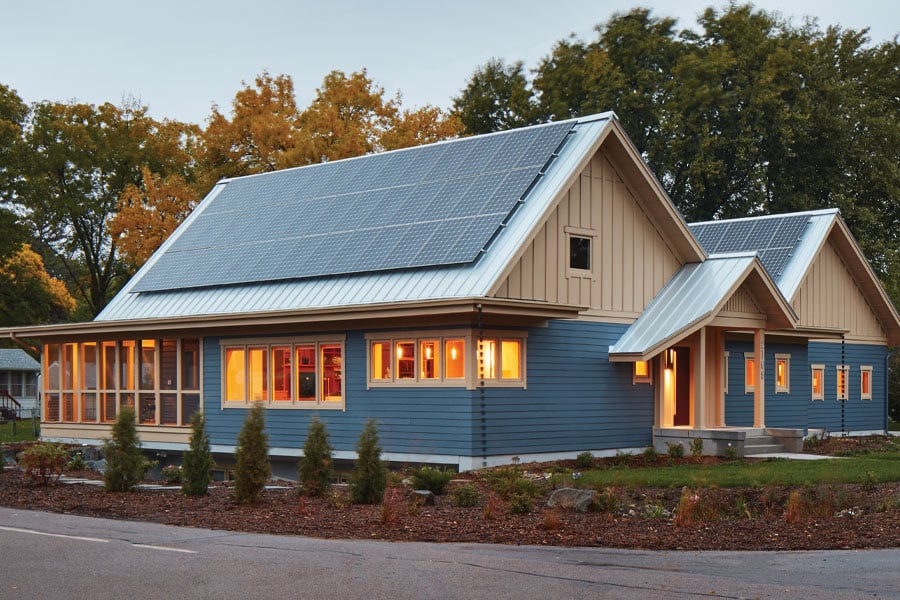
Zero carbon living explained is more than just a trend—it’s a practical approach to reducing our environmental impact and creating healthier, more efficient homes. As climate change becomes a pressing concern, many individuals and communities are seeking ways to minimize their carbon footprint. This guide breaks down the essentials of achieving a low-emission lifestyle, from home design to daily habits, and provides actionable steps for anyone interested in making a positive change.
Adopting a zero carbon lifestyle involves rethinking how we use energy, the materials we choose, and the technologies we integrate into our living spaces. Whether you’re building a new home, renovating, or simply looking to make small adjustments, understanding the core principles can help you make informed decisions. For those interested in the intersection of technology and sustainability, exploring connected home net-zero systems offers insights into how smart devices can further optimize energy use and comfort.
Understanding the Fundamentals of Zero Carbon Homes
At its core, a zero carbon home is designed to balance the energy it consumes with the renewable energy it produces, resulting in net-zero carbon emissions. This is achieved through a combination of energy efficiency, sustainable materials, and on-site renewable energy generation. The goal is to create living spaces that are comfortable, cost-effective, and environmentally responsible.
Key elements of a zero carbon home include:
- High-performance insulation to reduce heat loss and maintain indoor comfort.
- Energy-efficient windows and doors that minimize drafts and thermal bridging.
- Renewable energy systems such as solar panels or geothermal heat pumps.
- Smart appliances and controls to optimize energy use throughout the day.
For a deeper dive into the technical aspects, the basics of net-zero housing provide a comprehensive overview of design strategies and performance standards.
Key Strategies for Achieving a Low-Carbon Lifestyle
Transitioning to a zero carbon lifestyle involves more than just upgrading your home. It requires a holistic approach that considers energy consumption, transportation, water use, and even the products you buy. Here are some practical strategies to get started:
- Conduct an energy audit to identify areas where your home is losing energy and prioritize improvements.
- Switch to renewable energy sources by installing solar panels or subscribing to a green energy provider.
- Upgrade to smart appliances that use less energy and can be programmed for maximum efficiency. Learn more about the benefits of smart appliances for net-zero construction for high-tech savings.
- Improve insulation and sealing to prevent heat loss and reduce the need for heating and cooling.
- Adopt sustainable transportation options such as cycling, walking, or using electric vehicles.
- Reduce, reuse, and recycle materials to minimize waste and lower your overall carbon footprint.
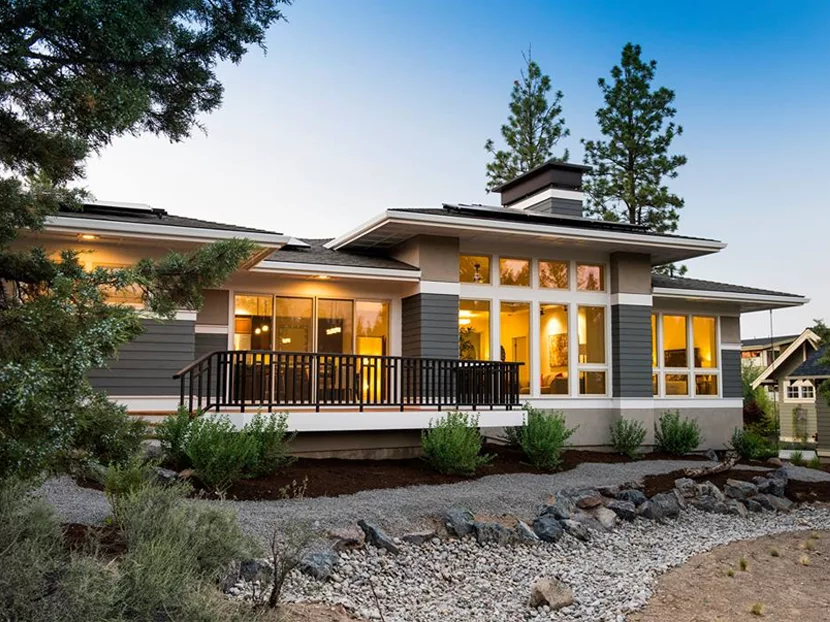
Smart Technology and Real-Time Monitoring
Modern technology plays a crucial role in supporting a low-carbon lifestyle. Smart home systems allow homeowners to monitor and control energy use in real time, making it easier to identify inefficiencies and adjust habits accordingly. Devices such as smart thermostats, energy monitors, and automated lighting can significantly reduce unnecessary consumption.
For those interested in tracking their environmental impact, real time energy tracking for homes offers valuable insights into usage patterns and helps pinpoint opportunities for further savings. Integrating these systems with renewable energy sources maximizes the benefits and brings you closer to a net-zero goal.
Design Principles for Sustainable Living Spaces
Designing for sustainability goes beyond energy efficiency. It involves considering the entire lifecycle of materials, the health of occupants, and the resilience of the building. Some important design principles include:
- Passive solar design to take advantage of natural light and heat from the sun.
- Low-impact materials such as reclaimed wood, recycled metal, and non-toxic finishes.
- Water conservation through rainwater harvesting, efficient fixtures, and drought-tolerant landscaping.
- Indoor air quality improvements with proper ventilation and low-emission products.
By combining these strategies, you create a home that is not only energy efficient but also healthier and more comfortable for its occupants.

Integrating Automation and AI for Greater Efficiency
Automation and artificial intelligence are transforming the way we approach sustainable living. By leveraging smart controls, homeowners can automate lighting, heating, and cooling based on occupancy and weather patterns. AI-powered systems can analyze data to suggest further improvements and optimize energy use without sacrificing comfort.
For a forward-looking perspective, explore the role of AI energy optimization in net-zero homes to see how advanced algorithms are shaping the future of sustainable living. These innovations not only reduce emissions but also make it easier for homeowners to maintain a low-carbon lifestyle with minimal effort.
Common Challenges and How to Overcome Them
While the benefits of zero carbon living are clear, the transition can present some challenges. Upfront costs, access to technology, and knowledge gaps may deter some homeowners. However, many of these obstacles can be addressed with careful planning and the right resources:
- Seek out government incentives and rebates for energy-efficient upgrades and renewable energy installations.
- Start with small, manageable changes and gradually invest in larger improvements as your budget allows.
- Connect with local professionals who specialize in sustainable design and construction.
- Stay informed by reading about IoT in net-zero homes and other emerging technologies that support your goals.
By taking a phased approach and leveraging available support, anyone can make meaningful progress toward a more sustainable lifestyle.
Frequently Asked Questions
What does it mean to achieve zero carbon in a home?
Achieving zero carbon in a home means that the total amount of carbon dioxide emissions produced by the household is balanced by the amount of renewable energy generated or offset. This is accomplished through a combination of energy efficiency, renewable energy systems, and sustainable living practices.
How can I start reducing my home’s carbon footprint?
Begin by conducting an energy audit to identify areas for improvement. Upgrade insulation, switch to energy-efficient appliances, and consider installing solar panels or subscribing to a green energy provider. Small changes, such as using LED lighting and reducing water waste, also contribute significantly over time.
Are zero carbon homes more expensive to build?
While the initial investment for a zero carbon home can be higher due to advanced materials and technologies, the long-term savings on energy bills and maintenance often offset the upfront costs. Additionally, incentives and rebates are available in many regions to help make these upgrades more affordable.
Conclusion
Embracing a low-carbon lifestyle is an achievable goal for homeowners and renters alike. By understanding the principles behind zero carbon living, making strategic upgrades, and leveraging smart technology, you can create a healthier, more efficient environment for yourself and future generations. The journey may require some investment and learning, but the rewards—both personal and environmental—are well worth the effort.
