
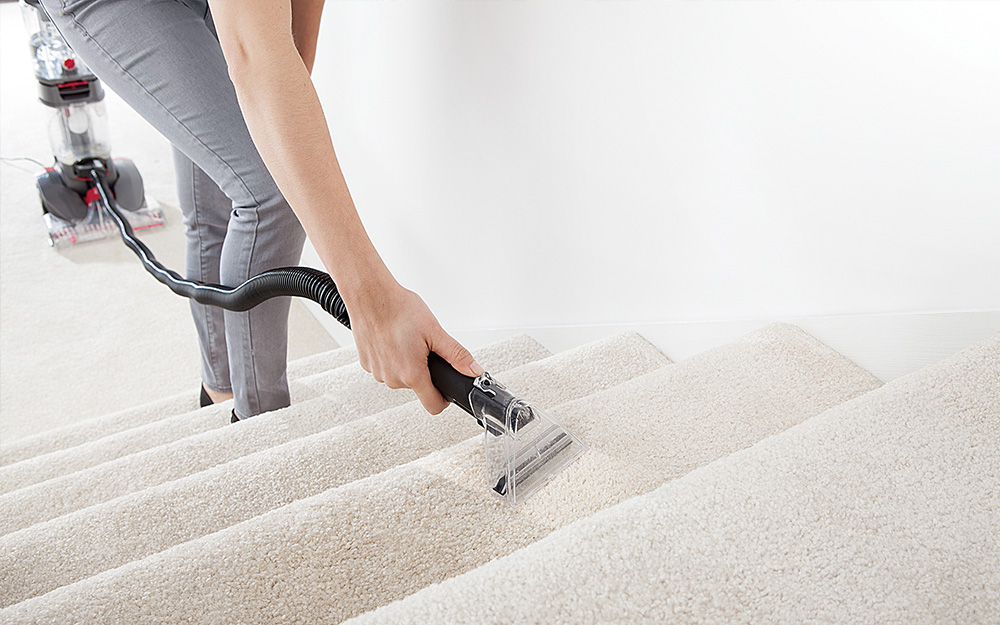
Understanding how long do carpet cleaners last is important for anyone investing in a machine for home or professional use. Whether you’re considering purchasing your first unit or replacing an older one, knowing what to expect from your equipment’s lifespan can help you make informed decisions and get the most value out of your investment. Factors like frequency of use, maintenance habits, and the type of cleaner all play significant roles in determining longevity.
In this article, we’ll break down the average lifespan of carpet cleaning machines, what influences their durability, and how you can extend their service life. We’ll also compare different types of cleaners and offer practical tips for maximizing your investment. If you’re still weighing your options, you may also find it helpful to read about renting vs buying a carpet cleaner to see which approach best fits your needs.
Average Lifespan of Carpet Cleaning Machines
The typical carpet cleaner, whether upright or portable, lasts between 5 to 8 years with regular home use. Commercial-grade machines, designed for frequent and heavy-duty operation, may last up to 10 years or more if properly maintained. However, these are general estimates—actual longevity depends on several factors, including build quality, usage patterns, and care routines.
For residential users, occasional cleaning (once every few months) puts less strain on the machine, often resulting in a longer service life. In contrast, professional or rental units that see daily use will naturally experience more wear and tear, potentially shortening their operational lifespan.
Key Factors That Affect Durability
Several variables influence how long your carpet cleaning equipment will last. Understanding these can help you make smarter choices and avoid premature breakdowns.
- Frequency of Use: Machines used more often will accumulate wear faster. Occasional home use is less taxing than daily commercial cleaning.
- Maintenance: Regularly cleaning filters, brushes, and tanks prevents clogs and mechanical issues. Neglecting maintenance is a leading cause of early failure.
- Quality of Components: Higher-end models often feature more durable motors, pumps, and housings, which can withstand repeated use better than budget options.
- Type of Carpet Cleaner: Upright, portable, and commercial machines each have unique strengths and weaknesses regarding durability and repairability.
- Storage Conditions: Keeping your machine in a dry, climate-controlled environment helps prevent rust, mold, and electrical issues.
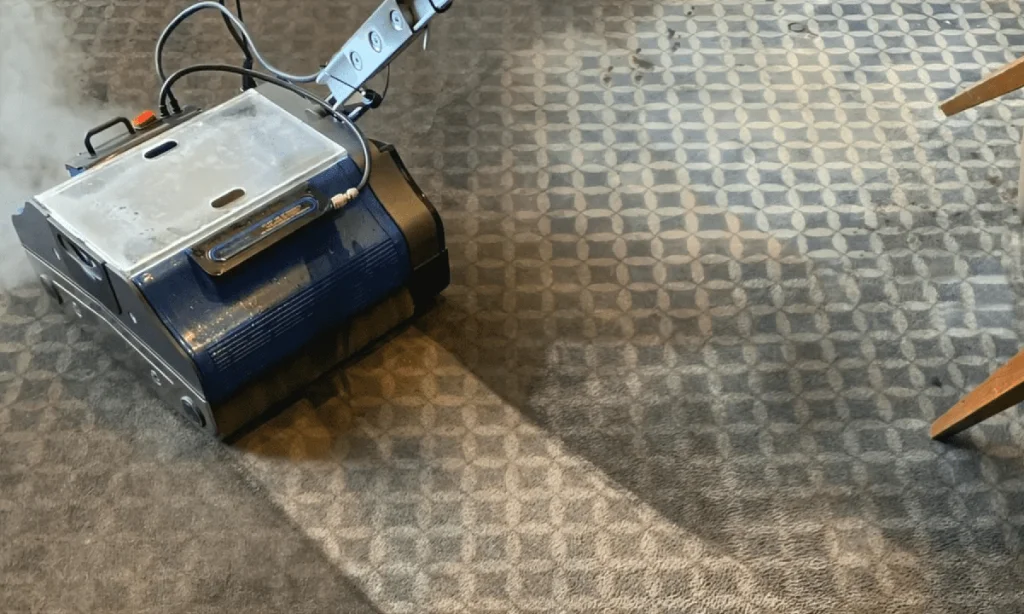
Comparing Types of Carpet Cleaners and Their Longevity
Not all carpet cleaning machines are built the same. Here’s how the main types compare in terms of expected lifespan and durability:
- Upright Carpet Cleaners: These are the most common for home use. With moderate use and proper care, they typically last 5–8 years. Their motors and pumps are designed for periodic, not constant, operation.
- Portable Spot Cleaners: Smaller and lighter, these are ideal for quick cleanups and upholstery. They often last 3–6 years, as their compact size means smaller motors and tanks that may wear out sooner if overused.
- Commercial/Professional Machines: Built for frequent, heavy-duty cleaning, these units can last 8–10 years or longer. They’re made with robust components and are easier to repair, but require regular servicing.
For more on the differences between these types, you can explore resources like how carpet cleaning works to understand the technology behind each model.
Signs Your Carpet Cleaner Needs Replacement
Even the best-maintained machine will eventually reach the end of its useful life. Watch for these common indicators that it may be time to consider a new unit:
- Loss of suction or cleaning power, even after troubleshooting and repairs
- Persistent leaks from tanks or hoses
- Unusual noises from the motor or pump
- Brushes not spinning or moving properly (see carpet cleaner brush not spinning for more details)
- Frequent clogs or blockages that are difficult to clear
- Electrical issues, such as tripped breakers or flickering power
If you notice these problems and repairs are becoming more frequent or costly, investing in a new machine may be more economical in the long run.

Tips to Extend the Life of Your Carpet Cleaner
Maximizing the lifespan of your carpet cleaning equipment is largely a matter of regular care and smart usage. Here are some practical steps to help your machine last as long as possible:
- Clean After Every Use: Rinse tanks, brushes, and nozzles to prevent residue buildup and clogs.
- Check for Blockages: Inspect hoses and filters regularly, especially if you notice reduced suction. For troubleshooting, see how to fix carpet cleaner suction loss.
- Use the Right Detergents: Only use cleaning solutions recommended by the manufacturer to avoid damaging internal components.
- Store Properly: Keep your machine in a dry, cool place to prevent rust and mold growth.
- Schedule Maintenance: For commercial units, regular professional servicing can prevent major breakdowns and extend operational life.
- Address Issues Promptly: Don’t ignore minor problems. Early repairs can prevent bigger, costlier failures.
For more troubleshooting tips on common issues, check out carpet cleaner common problems for solutions to frequent faults.
Frequently Asked Questions
What is the average warranty period for carpet cleaners?
Most home carpet cleaning machines come with a 1 to 3-year warranty, depending on the brand and model. Commercial units may offer longer warranties, sometimes up to 5 years. Always check your manufacturer’s policy for details on what’s covered.
How do I know if my carpet cleaner can be repaired or should be replaced?
If your machine has a minor issue, such as a clogged hose or worn brush, repairs are usually straightforward and cost-effective. However, if you’re facing repeated motor failures, major leaks, or electrical problems, replacement is often the better long-term solution.
Does using non-branded cleaning solutions affect my carpet cleaner’s lifespan?
Yes, using non-approved detergents can damage internal seals, hoses, and pumps, potentially shortening the life of your machine. Always use cleaning solutions recommended by your manufacturer to maintain performance and warranty coverage.
Can regular maintenance really make a difference in longevity?
Absolutely. Simple habits like rinsing tanks, checking for blockages, and storing your machine properly can add years to its usable life. Neglecting maintenance is one of the most common reasons for early breakdowns.
