
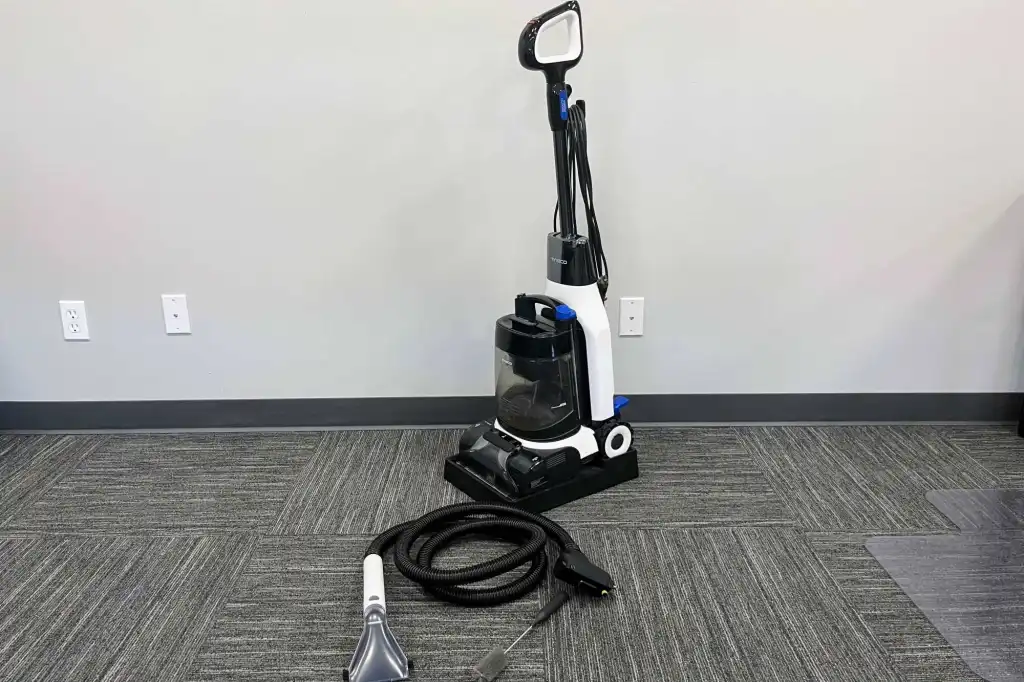
For individuals living with asthma, maintaining a clean indoor environment is more than a matter of appearance—it’s a crucial part of managing symptoms and reducing triggers. Carpets, while comfortable and attractive, can harbor dust mites, pet dander, mold spores, and other allergens that may worsen respiratory conditions. Choosing the right carpet cleaner for asthma and adopting safe cleaning practices can make a significant difference in air quality and overall well-being.
This article explores how to select and use cleaning products and equipment that minimize asthma risks. We’ll also discuss best practices for routine carpet care, highlight safer alternatives to harsh chemicals, and provide practical tips for creating a healthier home. For those also dealing with pet-related allergens, you may find additional guidance in our pet hair removal from carpet indoor hygiene tips.
Understanding Carpet Allergens and Asthma Triggers
Carpets are notorious for trapping particles that can aggravate asthma. Common triggers include:
- Dust mites and their droppings
- Pet dander and hair
- Mold spores, especially in damp environments
- Pollen and outdoor pollutants tracked inside
- Residues from cleaning chemicals
When disturbed by foot traffic or vacuuming, these particles can become airborne, increasing the risk of inhalation. Selecting a carpet cleaning method suitable for asthma is essential for reducing these risks.
Choosing Safe Carpet Cleaning Products for Sensitive Individuals
Many traditional carpet shampoos and spot removers contain volatile organic compounds (VOCs), fragrances, and harsh chemicals that may irritate the airways. To minimize exposure, look for:
- Fragrance-free or low-fragrance formulas
- Products labeled as hypoallergenic or suitable for sensitive environments
- Plant-based or eco-friendly carpet cleaners with minimal ingredients
- Certifications from reputable organizations (such as asthma & allergy foundations)
Always test any new cleaning product in a small, inconspicuous area to ensure there are no adverse reactions. Avoid mixing cleaning agents, as this can release harmful fumes.
Best Practices for Asthma-Friendly Carpet Cleaning
Using the right technique is just as important as product selection. Here are some methods that help reduce allergen exposure:
Vacuuming with HEPA Filters
Regular vacuuming is essential, but not all vacuums are created equal. Choose a model with a HEPA filter to trap fine particles and prevent them from recirculating into the air. Vacuum at least twice a week, and more often in high-traffic or pet areas.
Hot Water Extraction and Steam Cleaning
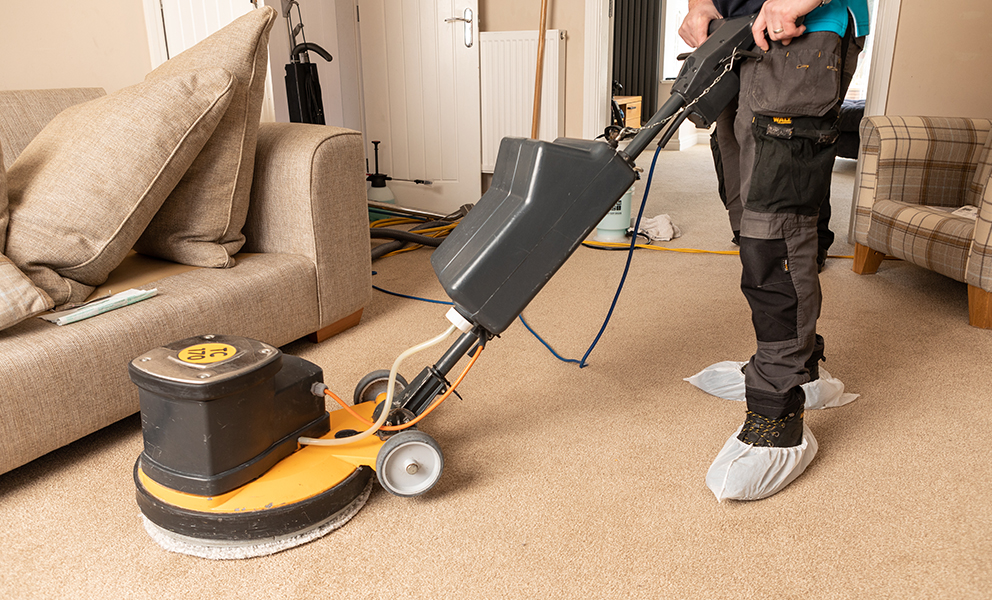
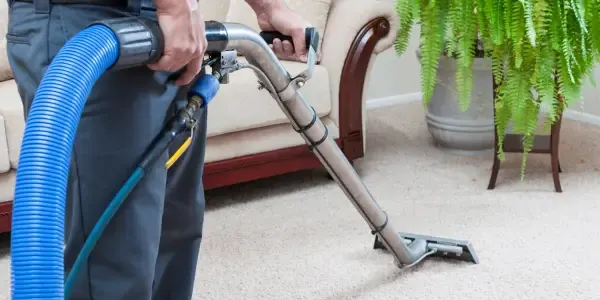
Professional-grade hot water extraction (sometimes called steam cleaning) is effective at removing deep-seated dirt and allergens. When performed with asthma-safe carpet cleaning solutions, this method can significantly reduce triggers. Allow carpets to dry thoroughly to prevent mold growth.
Dry Carpet Cleaning Methods
For those sensitive to moisture or concerned about mold, dry cleaning techniques using absorbent compounds or powders may be preferable. Ensure the products used are free from strong fragrances and irritants.
Natural and DIY Alternatives for Sensitive Households
If commercial products are a concern, several natural options can help keep carpets clean without harsh chemicals:
- Baking soda: Sprinkle on carpets, let sit, then vacuum to neutralize odors and absorb moisture.
- White vinegar solution: Mix with water for spot cleaning (always test first to avoid discoloration).
- Unscented castile soap: Dilute for gentle cleaning of small areas.
These methods are generally safe, but always check with your healthcare provider if you have concerns about specific sensitivities.
Reducing Asthma Risks During and After Carpet Cleaning
Even with the safest products, there are steps you can take to further minimize exposure:
- Ventilate the area well during and after cleaning by opening windows and using fans.
- Keep individuals with asthma out of the room until carpets are completely dry and any residual odors have dissipated.
- Wear a mask while cleaning if you are sensitive to dust or fumes.
- Maintain a regular cleaning schedule to prevent buildup of allergens.
For a deeper understanding of professional and DIY cleaning methods, refer to this comprehensive overview of carpet cleaning techniques.
Additional Tips for Allergy-Proofing Your Home
- Consider using area rugs that can be easily washed and replaced.
- Keep humidity levels below 50% to deter dust mites and mold.
- Remove shoes before entering carpeted areas to reduce the introduction of outdoor allergens.
- Wash bedding and curtains regularly, as these can also harbor asthma triggers.
If you have pets, managing fur and dander is key. Explore our guide on pet hair removal from carpet fast cleaning tips for more targeted advice.
Frequently Asked Questions
What type of carpet cleaner is safest for people with asthma?
The safest options are those labeled as hypoallergenic, fragrance-free, and free from harsh chemicals or VOCs. Look for products certified by asthma or allergy organizations, and always use a vacuum with a HEPA filter.
How often should carpets be cleaned in an asthma-sensitive home?
Vacuuming should be done at least twice a week with a HEPA-equipped vacuum. Deep cleaning with an asthma-friendly solution is recommended every 6–12 months, or more frequently in homes with pets or high foot traffic.
Are natural cleaning solutions effective for reducing allergens?
Yes, natural solutions like baking soda and diluted white vinegar can help remove surface allergens and odors. However, for deep cleaning, it’s best to use a carpet cleaner for asthma that is specifically formulated for sensitive individuals.
Can carpet cleaning worsen asthma symptoms?
If improper products are used or carpets are left damp, cleaning can temporarily increase airborne allergens or mold risk. Always use safe products, ventilate well, and ensure thorough drying to minimize any adverse effects.
