
As concerns about climate change and resource depletion continue to grow, more homeowners and builders are turning to net-zero homes as a practical solution for sustainable living. These residences are designed to produce as much energy as they consume annually, resulting in a neutral carbon footprint. The environmental benefits net-zero homes offer are substantial, making them a key strategy in efforts to safeguard our planet for future generations.
By integrating advanced building materials, renewable energy systems, and efficient appliances, net-zero residences minimize waste and reduce reliance on fossil fuels. This guide explores the many ways these innovative homes contribute to environmental protection, from reducing greenhouse gas emissions to conserving water and improving air quality. For those interested in the broader context of sustainable lifestyles, zero carbon living explained provides additional insights into transforming your daily environment.
How Net-Zero Homes Reduce Greenhouse Gas Emissions
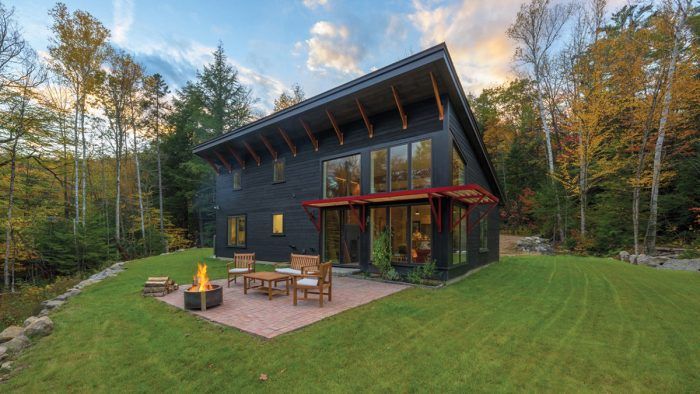
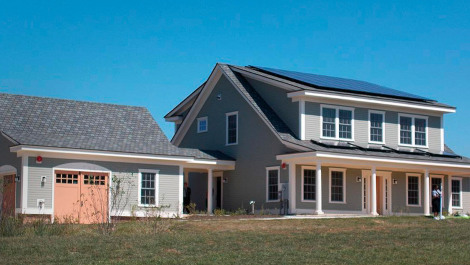
One of the most significant environmental benefits net-zero homes provide is the dramatic reduction in greenhouse gas emissions. Traditional homes rely heavily on electricity generated from fossil fuels, which release carbon dioxide and other pollutants into the atmosphere. In contrast, net-zero residences use renewable energy sources such as solar panels or wind turbines to meet their energy needs.
By generating clean energy on-site, these homes avoid the indirect emissions associated with grid electricity. Over time, this shift can lead to a substantial decrease in a community’s overall carbon footprint. In addition, many net-zero buildings are constructed with low-carbon materials and designed to maximize energy efficiency, further reducing their environmental impact.
For a deeper dive into how daily habits can support a sustainable lifestyle in these homes, see sustainable living net-zero homes.
Energy Efficiency and Conservation: Core Features of Sustainable Homes
Energy efficiency is at the heart of every net-zero residence. These buildings are meticulously engineered to minimize energy loss through high-performance insulation, airtight construction, and advanced windows. Efficient heating, ventilation, and air conditioning (HVAC) systems, along with smart thermostats and LED lighting, help further reduce energy consumption.
Many homeowners also incorporate smart appliances for net-zero construction to optimize energy use throughout the day. By consuming less energy and producing their own renewable power, these homes lessen demand on the electrical grid and help prevent blackouts or energy shortages during peak times.
Water Conservation and Sustainable Resource Use
Beyond energy, net-zero homes are often designed to conserve water and make efficient use of natural resources. Low-flow fixtures, rainwater harvesting systems, and drought-resistant landscaping help reduce water consumption. Many designs also incorporate greywater recycling, which allows water from sinks and showers to be reused for irrigation or toilet flushing.
Sustainable building materials, such as recycled steel, reclaimed wood, and non-toxic finishes, are commonly used in construction. This approach not only reduces the demand for new raw materials but also limits the environmental impact associated with extraction, manufacturing, and transportation.
Improved Indoor Air Quality and Healthier Living Environments
A lesser-known but vital advantage of net-zero residences is the improvement in indoor air quality. Airtight construction, combined with mechanical ventilation systems equipped with high-efficiency filters, ensures a steady supply of fresh air while keeping out pollutants, allergens, and outdoor contaminants.
Using non-toxic paints, adhesives, and finishes further reduces the presence of volatile organic compounds (VOCs) and other harmful substances inside the home. The result is a healthier indoor environment, which can benefit occupants with allergies, asthma, or other respiratory conditions.
For a closer look at how these homes impact daily comfort and responsibility, explore lifestyle impact net-zero housing.
Supporting Biodiversity and Reducing Urban Heat Islands
The design principles behind net-zero buildings often extend to the surrounding landscape. Incorporating native plants, green roofs, and permeable surfaces supports local biodiversity by providing habitats for pollinators and other wildlife. These features also help mitigate the urban heat island effect, where cities become significantly warmer than surrounding rural areas due to dense development and lack of vegetation.
By reducing hard surfaces and increasing green space, net-zero projects can lower surface temperatures, improve stormwater management, and create more pleasant outdoor environments for residents and neighbors alike.
Long-Term Environmental Impact and Community Benefits
The positive effects of net-zero construction extend beyond individual households. As more communities adopt these practices, the cumulative impact includes reduced demand for fossil fuels, lower greenhouse gas emissions, and less strain on municipal infrastructure. Neighborhoods with a high concentration of net-zero properties often experience improved air and water quality, quieter streets, and greater resilience to extreme weather events.
For those interested in the technical aspects of building these homes, this guide to net-zero home building provides a comprehensive overview of design strategies and best practices.
Additionally, advances in AI energy optimization for net-zero homes are making it easier for homeowners to monitor and adjust their energy use in real time, further enhancing the sustainability of these residences.
Frequently Asked Questions
What makes a home net-zero?
A net-zero home is designed to produce as much renewable energy as it consumes over the course of a year. This is achieved through a combination of energy-efficient construction, advanced insulation, airtightness, and on-site renewable energy systems such as solar panels or wind turbines.
Are net-zero homes more expensive to build?
While the upfront costs of constructing a net-zero residence can be higher than those of a conventional home, the long-term savings on energy bills often offset the initial investment. Incentives, rebates, and falling prices for renewable technologies are making these homes increasingly accessible.
How do net-zero homes benefit the environment?
Net-zero buildings reduce greenhouse gas emissions, conserve natural resources, and promote healthier indoor environments. They also support local biodiversity and help communities become more resilient to climate change by lowering overall energy demand and minimizing pollution.
Can existing homes be retrofitted to achieve net-zero status?
Yes, many existing properties can be upgraded with better insulation, energy-efficient windows, and renewable energy systems to approach or achieve net-zero performance. The process may involve phased improvements, but significant environmental and financial benefits can still be realized.
In summary, the environmental benefits net-zero homes deliver are far-reaching, touching everything from air quality and resource conservation to community resilience and climate protection. As more people embrace these sustainable building practices, the collective impact will play a crucial role in protecting our planet for generations to come.
