
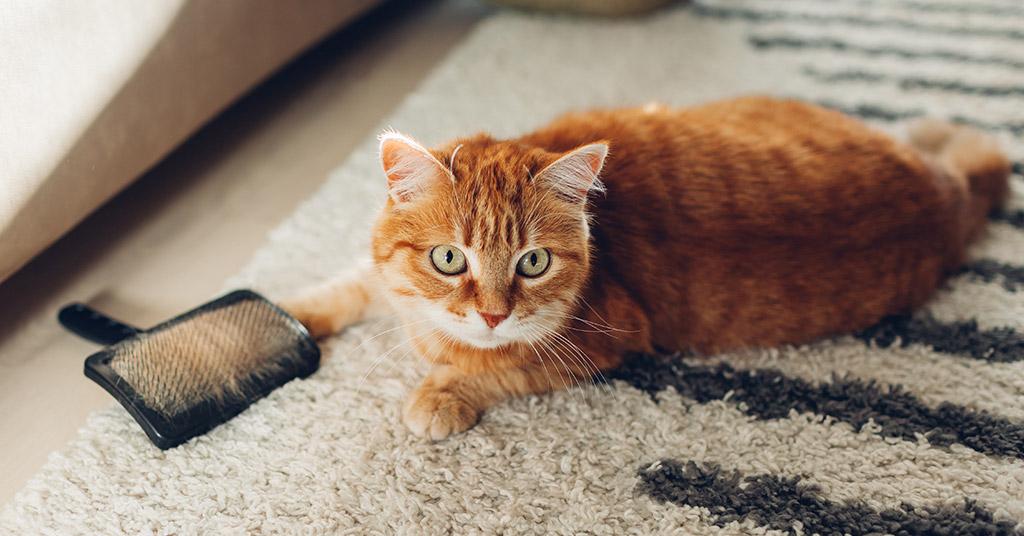
Many pet owners enjoy the comfort and companionship that furry friends bring to their homes. However, sharing living spaces with animals also means managing the constant presence of pet hair, especially in rooms with carpeting. Understanding how pet hair affects indoor air quality in carpets is crucial for maintaining a healthy environment for both humans and pets.
Pet hair doesn’t just settle on surfaces—it can become embedded deep within carpet fibers, contributing to dust, allergens, and even unpleasant odors. Over time, these accumulations can impact the cleanliness of your home’s air, potentially triggering allergies or respiratory issues. Fortunately, with the right knowledge and cleaning strategies, you can minimize these effects and keep your living space fresh and healthy.
If you’re looking for practical solutions, our home remedies for pet hair removal from carpet article offers easy and effective tips to tackle stubborn fur buildup.
Why Pet Hair Accumulates in Carpets
Carpets act like magnets for pet hair. The fibers trap loose fur, dander, and microscopic particles that pets shed daily. Unlike hard floors, where hair can be swept away, carpets hold onto these materials, making them harder to remove. This accumulation is further complicated by static electricity, which causes hair to cling even more tightly to the fibers.
As pets walk, play, and shed, their hair becomes intertwined with dust, pollen, and other debris. Over time, this mixture settles deep into the carpet pile, where regular vacuuming may not always reach. The result is a gradual buildup that can affect the overall cleanliness and air quality of your home.
Impact of Pet Hair on Indoor Air Quality
The presence of pet hair in carpets goes beyond surface appearance. As people and pets move through a room, these fibers are disturbed, releasing tiny particles back into the air. This process, known as resuspension, can increase the concentration of airborne allergens and irritants.
How pet hair affects indoor air quality in carpets is closely linked to the way it interacts with other pollutants. Pet hair often carries dander, which contains proteins that can trigger allergic reactions in sensitive individuals. When combined with dust mites, mold spores, and bacteria, the result is a complex mixture that can compromise respiratory health.
For those with asthma or allergies, exposure to these airborne particles can lead to symptoms such as sneezing, coughing, and itchy eyes. Even people without known sensitivities may notice a decline in air freshness or experience mild discomfort after spending time in heavily carpeted, pet-friendly rooms.

Common Allergens and Irritants Linked to Pet Hair
Pet hair is rarely just hair. It acts as a carrier for a range of allergens and irritants that can accumulate in carpets. Some of the most common include:
- Pet dander: Tiny flakes of skin shed by cats, dogs, and other animals. Dander is a major trigger for allergies.
- Dust mites: Microscopic creatures that thrive in warm, humid environments and feed on organic debris, including pet hair and dander.
- Pollen and outdoor particles: Pets can track in pollen, mold spores, and other outdoor contaminants on their fur, which then settle into carpets.
- Bacteria and germs: Hair and dander can harbor bacteria, contributing to unpleasant odors and potential health risks.
The combination of these elements can create an environment where indoor air is less clean and may even pose health concerns for vulnerable individuals.
How Carpets Trap and Release Pet Hair
One of the main reasons pet hair impacts air quality in carpeted rooms is the way carpet fibers trap and later release particles. High-pile and plush carpets tend to hold more hair and dander than low-pile or flat-weave options. As people walk across the carpet, the movement agitates the fibers, causing trapped particles to become airborne.
Vacuuming helps, but not all vacuums are equally effective at removing deeply embedded hair. Without regular and thorough cleaning, carpets can become a persistent source of airborne allergens. For more detailed cleaning strategies, see our guide on how to clean pet hair from carpet fibers.
Best Practices for Reducing Pet Hair and Improving Air Quality
Keeping carpets clean and minimizing airborne particles requires a proactive approach. Here are some practical tips to help reduce the impact of pet hair on your home’s air:
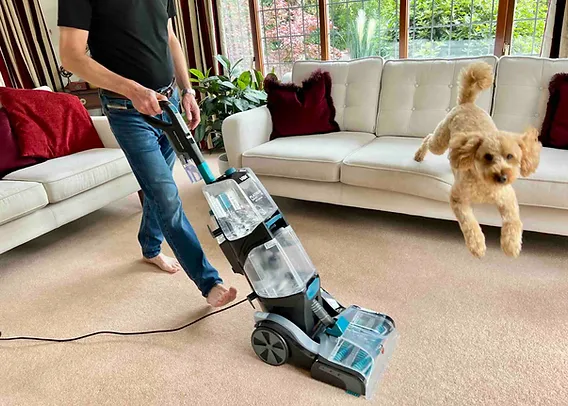
- Vacuum frequently: Use a vacuum with a HEPA filter and strong suction to capture hair and dander. For best results, vacuum at least twice a week in areas where pets spend the most time.
- Groom pets regularly: Brushing your pets helps remove loose hair before it can settle into carpets. Bathing can also reduce shedding and dander.
- Use specialized cleaning tools: Carpet rakes, rubber brooms, and lint rollers can help lift stubborn hair from carpet fibers. For a comprehensive overview, check out our pet hair removal guide for carpets.
- Wash pet bedding and blankets: Regularly cleaning items your pets use can prevent hair from spreading throughout your home.
- Consider air purifiers: Devices with HEPA filters can help capture airborne particles, including pet hair and dander, improving overall air quality.
Consistency is key. By combining these methods, you can significantly reduce the amount of pet hair trapped in carpets and the number of allergens circulating in your home.
When to Seek Professional Carpet Cleaning
Even with diligent cleaning, some pet hair and dander may remain embedded in your carpets. Professional carpet cleaning services use specialized equipment and techniques to remove deeply lodged debris, refresh fibers, and eliminate odors. Scheduling a deep clean every 6 to 12 months can help maintain a healthier indoor environment, especially for households with multiple pets or allergy sufferers.
For more tips on advanced cleaning, explore our article on the best way to remove pet hair from carpet.
Other Factors That Influence Air Quality in Homes With Pets
While pet hair is a significant contributor, other factors can also affect the air you breathe. Humidity levels, ventilation, and the presence of other allergens all play a role. Keeping windows open when possible, using exhaust fans, and maintaining HVAC systems can further enhance air quality.
Additionally, choosing carpets with shorter piles or opting for area rugs that can be easily washed may help reduce the buildup of pet hair and related allergens.
Additional Resources and Expert Advice
For more information on maintaining a clean home with pets, you can refer to this comprehensive guide to keeping your home clean with pets. It covers a range of practical tips for managing fur, dander, and odors in pet-friendly households.
Frequently Asked Questions
Does pet hair in carpets really affect indoor air quality?
Yes, pet hair trapped in carpets can contribute to airborne allergens and dust, especially when disturbed by foot traffic or vacuuming. This can impact air quality and trigger allergies in sensitive individuals.
What is the best way to remove pet hair from carpets?
Regular vacuuming with a HEPA-filter vacuum, using carpet rakes or rubber brooms, and grooming pets frequently are effective strategies. For stubborn hair, see our pet hair removal from carpet article for more methods.
How often should carpets be cleaned in homes with pets?
High-traffic and pet areas should be vacuumed at least twice a week. Deep cleaning by professionals is recommended every 6 to 12 months to remove embedded hair and dander.
Can air purifiers help with pet hair and dander?
Air purifiers equipped with HEPA filters can capture airborne particles, including pet hair and dander, helping to improve indoor air quality in homes with pets.
