
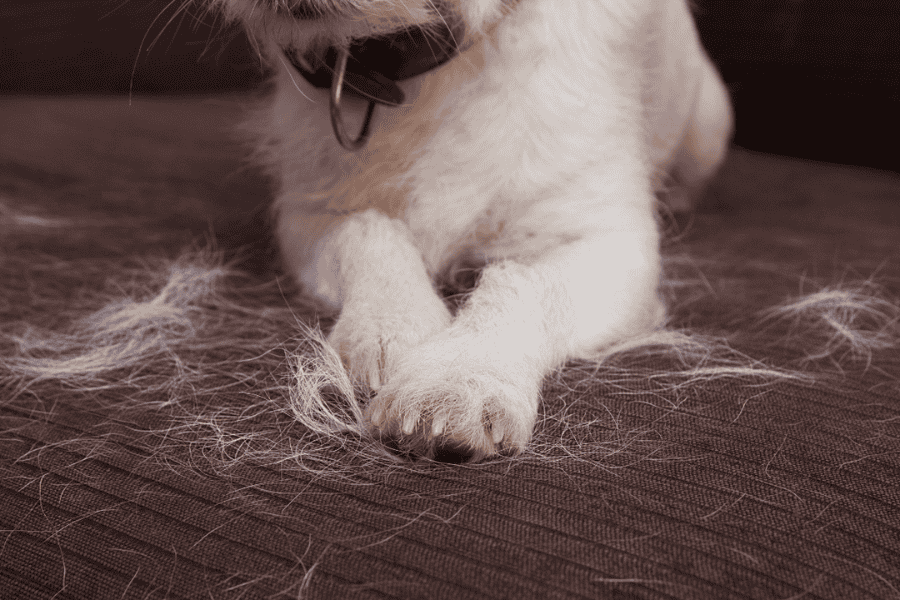
Pet owners know the struggle of keeping carpets free from embedded fur. Traditional vacuuming often leaves behind stubborn hair, especially from cats and dogs with thick coats. Understanding how static helps remove pet hair from carpet can make a real difference in your cleaning routine. Static electricity, when harnessed correctly, attracts and lifts hair from carpet fibers, making removal much easier and more efficient than relying on suction alone.
Before diving into the science and practical methods, it’s helpful to explore additional strategies for a cleaner home. For more comprehensive advice, see pet hair removal from carpet indoor hygiene tips for maintaining a hygienic environment.
Understanding Static Electricity and Pet Hair
Static electricity is a natural phenomenon that occurs when certain materials rub against each other, causing electrons to transfer and create an electrical charge. This charge can attract lightweight objects, such as pet hair, dust, and lint. Carpets, especially those made from synthetic fibers, are prone to building up static, which can be both a nuisance and a powerful cleaning ally.
When you walk across a carpet or rub a rubber glove on its surface, you generate static. This charge causes pet hair to cling to cleaning tools or even lift away from the carpet itself. By leveraging this property, you can target fur that vacuums often leave behind.
Why Pet Hair Clings to Carpets
Pet hair is notorious for embedding itself deep within carpet fibers. The combination of the hair’s fine texture and the static charge present in many carpets causes it to stick stubbornly. This is why even powerful vacuums sometimes struggle to remove all traces of fur. Understanding the relationship between static and pet hair can help you select the right tools and techniques for more effective cleaning.
Tools That Use Static to Remove Pet Hair
Several household items and specialty tools take advantage of static electricity to lift pet hair from carpets:
- Rubber gloves: When you put on a slightly damp rubber glove and run your hand over the carpet, the friction creates static that attracts hair to the glove. The fur clumps together, making it easy to pick up and discard.
- Microfiber cloths: These cloths are designed to generate static and can be used to wipe carpets, pulling up hair as you go.
- Pet hair removal brooms: Rubber brooms or squeegees are especially effective. Their bristles generate static as you sweep, collecting fur into manageable piles.
- Lint rollers: While more commonly used on clothing, lint rollers also use static to pick up hair from smaller carpeted areas or upholstery.
Step-by-Step: Using Static to Lift Pet Hair
To maximize the benefits of static electricity for pet hair removal, follow these practical steps:
- Prepare the area: Remove any large debris or objects from the carpet to allow for easier movement.
- Choose your tool: Select a rubber glove, microfiber cloth, or rubber broom.
- Generate static: For gloves or cloths, rub them briskly against the carpet surface. For brooms, sweep in short, quick strokes to build up static.
- Collect hair: As the static charge builds, pet hair will begin to cling to the tool. Gather the hair into piles for easy disposal.
- Vacuum after: Once the bulk of the hair is removed, vacuum the area to pick up any remaining debris or fine particles.
This approach is especially useful for high-traffic areas or spots where pets like to nap. For more time-saving strategies, check out pet hair removal from carpet fast cleaning tips.
Comparing Static-Based Methods to Traditional Cleaning
While vacuums are essential for overall cleanliness, they often miss hair that is tightly woven into carpet fibers. Static-based methods excel at loosening and collecting this stubborn fur. Combining both approaches yields the best results—use static tools first to gather hair, then follow up with a vacuum for a thorough finish.
Some vacuums are specifically designed for pet owners and include attachments that create static or have rubberized surfaces to attract hair. If you’re considering an upgrade, look for models with these features for optimal results.
Tips for Enhancing Static’s Effectiveness
- Lightly dampen tools: Slight moisture on a rubber glove or microfiber cloth can increase static generation and improve hair pickup.
- Work in sections: Divide larger carpeted areas into smaller zones to ensure thorough cleaning and prevent static from dissipating too quickly.
- Regular maintenance: Frequent use of static-based tools prevents excessive buildup of pet hair, making each cleaning session easier.
- Combine with other methods: Use static tools alongside vacuums or carpet rakes for a multi-pronged approach.
Preventing Pet Hair Buildup in Carpets
While static-based cleaning is highly effective, prevention is equally important. Regular grooming of pets, using washable throws on favorite resting spots, and vacuuming frequently can significantly reduce the amount of hair that settles into carpets. For those concerned about carpet damage, see pet hair removal from carpet without damaging fibers for gentle techniques.
Maintaining a consistent cleaning schedule and using the right tools will help keep your home looking and feeling fresh, even with furry companions.
Additional Resources and Expert Advice
If you’re seeking more ways to maintain a clean home with pets, consider reading this guide to keeping your home clean with pets. It covers a variety of cleaning strategies, including those that complement static-based hair removal.
For pet owners with busy lifestyles, establishing a routine is key. Explore pet hair removal routine for busy pet owners for practical tips that fit into any schedule.
Frequently Asked Questions
Can static electricity damage my carpet?
Static electricity, when used as described with gloves, cloths, or rubber brooms, is safe for most carpets. It does not harm fibers or cause discoloration. However, always test a small area first if you have delicate or antique carpets.
What type of carpet is most prone to static buildup?
Synthetic carpets, such as those made from nylon or polyester, tend to generate and hold more static electricity. These types are especially responsive to static-based pet hair removal methods.
How often should I use static-based tools for pet hair?
For homes with shedding pets, using static-based tools two to three times per week, in addition to regular vacuuming, helps prevent excessive buildup and keeps carpets looking their best.
Are there any alternatives if I don’t have rubber gloves or a broom?
Microfiber cloths, lint rollers, or even slightly dampened sponges can also create static and help lift pet hair from carpets. Experiment with what you have on hand to find the most effective option for your needs.
