
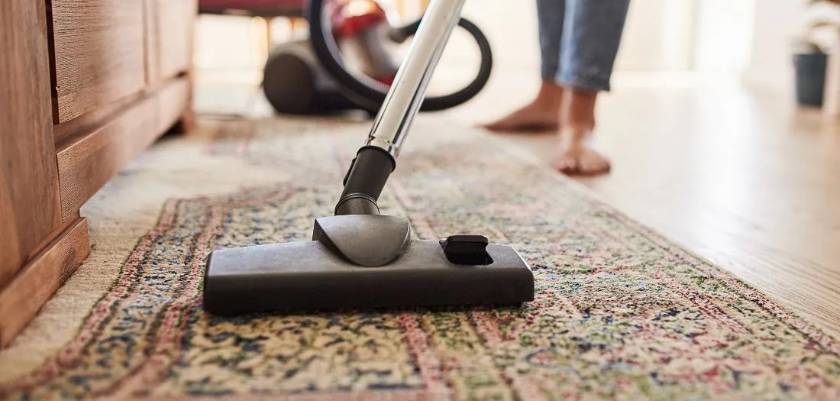
Even after a thorough vacuuming, stubborn pet hair can linger on carpets, making your floors look less than spotless. For pet owners, achieving a truly clean carpet often requires a few extra steps beyond the usual vacuum routine. This guide covers practical finishing touches for pet hair removal after vacuuming carpet, ensuring your home stays fresh, inviting, and free from lingering fur.
While vacuums are effective at picking up loose debris and some pet hair, they often leave behind fine strands that cling to carpet fibers. Addressing these remnants is essential for maintaining both cleanliness and indoor air quality, especially in homes with allergy sufferers. To help you achieve a fur-free finish, we’ll explore proven techniques, tools, and expert tips that go beyond the basics.
For more comprehensive strategies, you might also find value in pet hair removal from carpet indoor hygiene tips, which covers broader hygiene routines for pet-friendly homes.
Why Pet Hair Lingers After Vacuuming
Carpet fibers, especially those with a dense or looped pile, tend to trap pet hair more effectively than hard floors. Even high-powered vacuums can miss hair that’s embedded deep within the fibers or stuck due to static electricity. Factors such as the type of carpet, the breed of your pet, and the frequency of cleaning all play a role in how much hair remains after vacuuming.
- Static cling causes hair to stick to carpet fibers, making it difficult to lift with suction alone.
- Matting and foot traffic can press hair deeper into the pile, out of reach of vacuum brushes.
- Pet coat type—long-haired breeds tend to shed more and leave behind finer, harder-to-remove strands.
Understanding these challenges is the first step toward selecting the right finishing techniques for a truly clean carpet.
Essential Tools for a Fur-Free Finish
To tackle pet hair removal after vacuuming carpet, a few specialized tools can make a significant difference. Here are some of the most effective options:
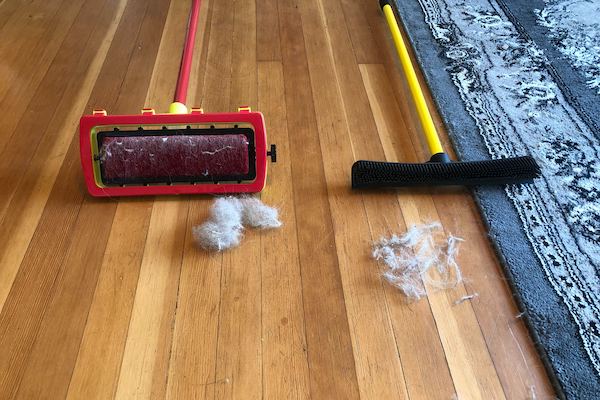
- Rubber brooms or brushes: The rubber bristles create friction that lifts hair from carpet fibers.
- Lint rollers: Large, reusable lint rollers can pick up fine hair missed by vacuums.
- Carpet rakes: Designed specifically for deep cleaning, these rakes pull up embedded fur.
- Microfiber cloths or gloves: The static charge in microfiber attracts and collects hair efficiently.
For a detailed breakdown of these tools and their uses, explore this expert guide to removing pet fur from carpets.
Step-by-Step: Final Cleanup After Vacuuming
Once you’ve finished vacuuming, follow these steps to ensure every last strand of pet hair is removed:
- Go over the carpet with a rubber broom or brush. Use short, firm strokes to pull up hair that’s embedded in the fibers. Work in sections for thorough coverage.
- Use a lint roller on high-traffic areas. Focus on spots where your pet likes to rest or play, as these tend to accumulate the most hair.
- Try a carpet rake for deep cleaning. This tool is especially useful for thick or shaggy carpets, helping to lift fur from the base of the pile.
- Finish with a damp microfiber cloth or glove. Lightly mist the cloth and run it over the carpet. The moisture helps pick up any remaining hair without soaking the fibers.
Repeat these steps as needed, especially during heavy shedding seasons. Consistency is key to keeping carpets looking and feeling clean.
Advanced Tips for Persistent Pet Hair
If you’re still noticing hair after using the above methods, try these advanced techniques:
- Lightly spray the carpet with a fabric softener solution (mix one part fabric softener with three parts water). This reduces static and loosens hair, making it easier to remove with a broom or cloth.
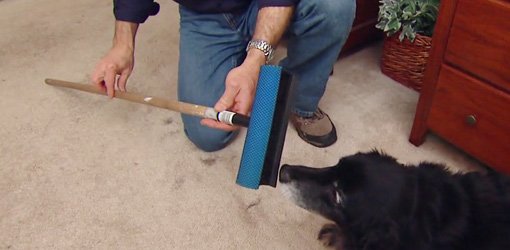
- Use a squeegee—the rubber edge can pull up hair from low-pile carpets and rugs.
- Vacuum in multiple directions to lift and loosen hair from all angles before using finishing tools.
For more quick strategies, see pet hair removal from carpet fast cleaning tips for time-saving ideas.
How to Maintain a Pet Hair-Free Carpet
Regular maintenance is the best way to minimize the need for intensive cleaning. Here are some habits to keep your carpets looking their best:
- Brush your pets frequently to reduce shedding and prevent hair from accumulating on floors.
- Vacuum at least twice a week, focusing on areas where your pets spend the most time.
- Use doormats and washable rugs in entryways to trap hair before it reaches the carpet.
- Deep clean carpets periodically using steam cleaning or professional services for a thorough refresh.
If you’re concerned about carpet damage, check out pet hair removal from carpet without damaging fibers for gentle techniques that protect your flooring.
Common Mistakes to Avoid
While it’s tempting to reach for any available tool, some methods can do more harm than good. Avoid these pitfalls:
- Over-wetting the carpet—using too much water can cause mold or mildew and damage carpet backing.
- Using harsh chemicals—stick to mild solutions to avoid discoloration or fiber breakdown.
- Skipping regular maintenance—waiting too long between cleanings makes hair removal much harder.
For a routine that fits busy lifestyles, see pet hair removal routine for busy pet owners.
FAQ: Pet Hair Removal After Vacuuming Carpet
What is the most effective tool for removing pet hair left after vacuuming?
A rubber broom or brush is highly effective for lifting hair that vacuums miss. The rubber bristles create static and friction, pulling embedded fur to the surface for easy collection.
Can I use household items for finishing touches?
Yes, a damp microfiber cloth or glove can be used to pick up fine hair. Lightly mist the cloth and wipe over the carpet to collect any remaining strands.
How often should I perform these finishing steps?
For best results, add these finishing touches to your cleaning routine at least once a week, or more frequently during heavy shedding periods. Consistent maintenance prevents buildup and keeps carpets looking fresh.
Will these methods work on all carpet types?
Most of the techniques described are safe for standard carpets, but always test in an inconspicuous area first. For delicate or specialty carpets, consult your manufacturer’s care instructions.
Conclusion
Achieving a fur-free carpet takes more than just vacuuming. By using the right tools and techniques for pet hair removal after vacuuming carpet, you can tackle even the most stubborn hair and maintain a clean, comfortable home. With regular upkeep and the finishing touches outlined here, your carpets will stay fresh and inviting for both you and your pets.
