
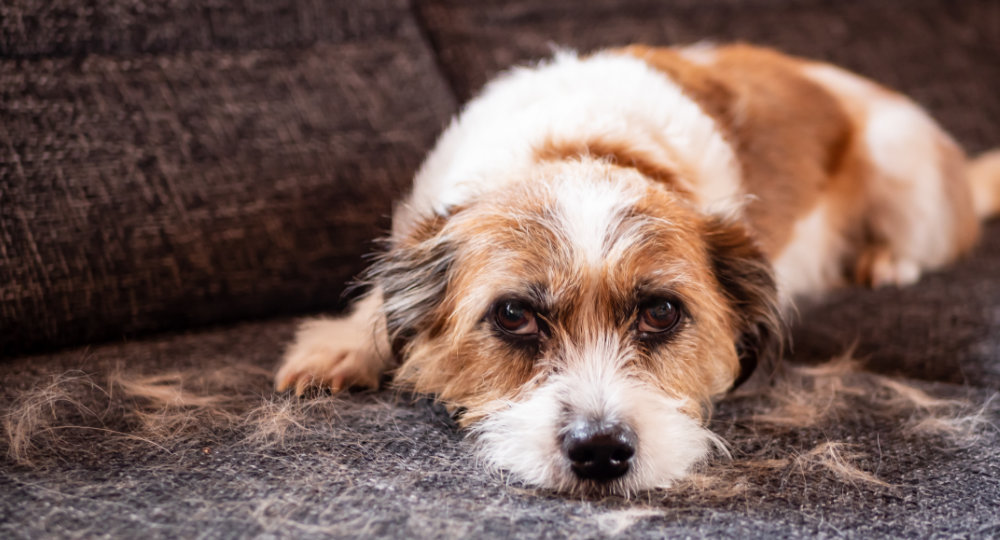
Old carpets can be a magnet for pet hair, especially in homes with cats and dogs. Over time, fur becomes embedded deep within carpet fibers, making it tough to remove with standard cleaning methods. For anyone seeking a reliable pet hair removal from old carpets guide, understanding the right techniques and tools is essential to restore your flooring to a cleaner, fresher state.
Pet owners often struggle with persistent hair that resists vacuuming and brushing. The challenge is even greater with older carpets, where years of accumulation can lead to odors, allergies, and a generally unkempt appearance. Fortunately, there are proven strategies and specialized products that can make a significant difference. This article explores practical steps, expert tips, and the best tools for tackling stubborn pet hair in aging carpets.
If you’re interested in broader strategies for maintaining a clean home, you might also find value in our pet hair removal from carpet indoor hygiene tips, which covers additional hygiene practices for pet owners.
Understanding the Challenges of Removing Pet Hair From Old Carpets
Older carpets present unique obstacles when it comes to removing pet hair. Years of foot traffic, spills, and repeated cleaning can cause fibers to loosen and trap fur more deeply. Unlike newer carpets, the pile in older flooring may be flattened or matted, making it harder for vacuums to lift embedded debris.
Common issues include:
- Deeply embedded hair that regular vacuums can’t reach
- Static electricity causing fur to cling tightly to fibers
- Accumulated oils and dander binding hair to the carpet
- Potential for odors and allergens if hair is left untreated
Addressing these problems requires a combination of mechanical action, specialized tools, and sometimes a bit of patience.
Essential Tools for Effective Pet Hair Removal
The right equipment can make a dramatic difference in your cleaning results. When following a pet hair removal from old carpets guide, consider these essential tools:
- Vacuum cleaners with pet hair attachments: Models with strong suction and motorized brush rolls are best for lifting fur from deep within the pile.
- Rubber brooms or squeegees: The rubber bristles create friction, pulling hair up and out of carpet fibers.
- Lint rollers and sticky tape: Useful for spot treatments and high-traffic areas.
- Specialized pet hair brushes: Designed to agitate and collect fur from carpet surfaces.
For more information on choosing the right vacuum, you can check out this comprehensive guide to getting dog hair out of carpet.
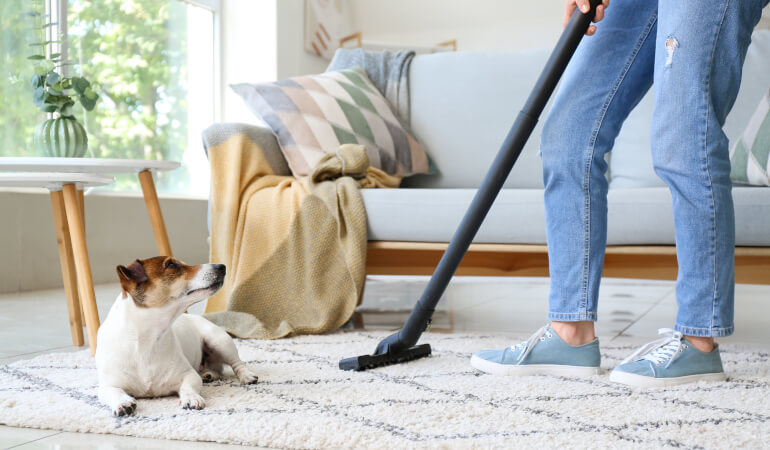
Step-by-Step Approach to Restoring Old Carpets
A systematic cleaning process is key to removing stubborn pet hair from aging carpets. Here’s a proven method that combines manual and mechanical techniques:
- Prep the Area: Remove furniture and thoroughly vacuum the carpet to pick up loose debris. Use a vacuum with a HEPA filter if possible to capture allergens.
- Loosen Embedded Hair: Use a rubber broom or a pet hair removal brush. Work in short, firm strokes to pull up hair that’s stuck in the fibers. For best results, move in multiple directions.
- Vacuum Again: After loosening the hair, vacuum the area a second time. This helps collect fur that’s been brought to the surface.
- Spot Treat Stubborn Areas: For corners or high-traffic spots, use lint rollers or wrap your hand in sticky tape (sticky side out) and press onto the carpet.
- Deep Clean (Optional): For heavily soiled or odorous carpets, consider a steam cleaner or professional carpet shampooer. This not only removes hair but also refreshes the fibers.
Consistency is important. Regular maintenance prevents future buildup and keeps your carpets looking their best.
Advanced Tips for Persistent Pet Hair Problems
Sometimes, even after following a thorough pet hair removal from old carpets guide, some fur remains. Here are a few advanced strategies to tackle the most stubborn cases:
- Use Fabric Softener Solution: Mix a small amount of fabric softener with water in a spray bottle. Lightly mist the carpet, let it dry, and then vacuum. The softener helps loosen hair from fibers.
- Try a Dampened Rubber Glove: Put on a slightly damp rubber glove and run your hand over the carpet. The friction and moisture help lift hair that’s stuck.
- Alternate Vacuum Directions: Vacuuming in different directions can help lift hair missed in a single pass.
- Professional Cleaning: If all else fails, professional carpet cleaners have industrial equipment designed to extract deeply embedded debris.
For those interested in quick solutions, our pet hair removal from carpet fast cleaning tips article offers additional time-saving ideas.

Maintaining Carpets After Deep Cleaning
Once you’ve restored your carpet, regular upkeep is essential to prevent hair from accumulating again. Here are some maintenance tips:
- Vacuum frequently—at least twice a week in pet areas.
- Use a pet-specific vacuum filter to trap dander and allergens.
- Brush your pets regularly to reduce shedding.
- Place washable rugs or mats in high-traffic zones to catch fur before it reaches the carpet.
- Consider a routine cleaning schedule, as outlined in our pet hair removal routine for busy pet owners.
With consistent care, your old carpets can remain fresh and inviting, even in multi-pet households.
Common Mistakes to Avoid
While following a pet hair removal from old carpets guide, avoid these frequent errors:
- Using the wrong vacuum: Not all vacuums are designed for pet hair. Choose one with strong suction and a brush roll.
- Skipping manual removal: Relying solely on vacuuming often leaves embedded hair behind.
- Over-wetting the carpet: Excess moisture can cause mold or mildew, especially in older carpets.
- Neglecting regular maintenance: Waiting too long between cleanings allows hair to build up and become more difficult to remove.
For those concerned about carpet longevity, see our advice on pet hair removal from carpet without damaging fibers.
FAQ
How Often Should I Remove Pet Hair From Old Carpets?
For best results, aim to remove pet hair at least twice a week. High-shedding breeds or multiple pets may require more frequent cleaning. Regular maintenance prevents buildup and makes each cleaning session easier.
Can I Use Household Items for Pet Hair Removal?
Yes, several household items can help. Rubber gloves, damp sponges, and sticky tape are effective for spot cleaning. However, for deep cleaning, specialized tools like pet hair vacuums and rubber brooms are more efficient.
Will Removing Pet Hair Improve Indoor Air Quality?
Absolutely. Removing pet hair and dander from carpets reduces allergens and dust, leading to better indoor air quality. This is especially important for allergy sufferers and homes with children or elderly residents.
What If My Carpet Is Still Dirty After Hair Removal?
If your carpet still appears dirty or smells after removing pet hair, consider a deep cleaning with a carpet shampooer or steam cleaner. Professional cleaning services can also restore heavily soiled or stained carpets.
Are There Quick Solutions for Busy Pet Owners?
Yes, using a combination of high-suction vacuums and rubber brooms can quickly remove most pet hair. For more time-saving strategies, check out our fast cleaning tips for pet hair removal.
