
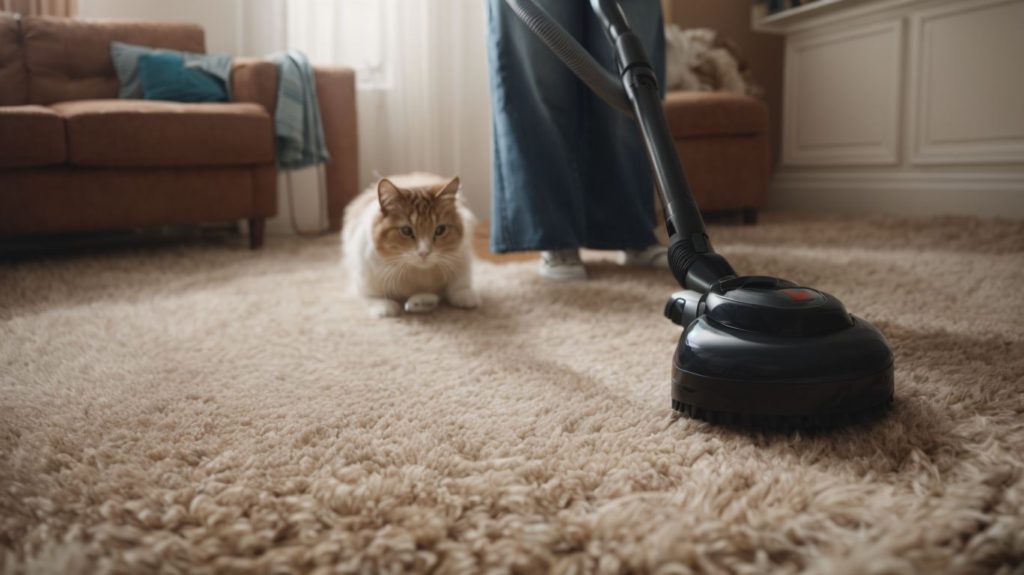
Pet owners know the struggle of keeping carpets free from fur. Traditional vacuuming often leaves behind stubborn hair, especially when pets shed heavily or have fine coats. One approach gaining attention is pet hair removal with carpet rake method, which promises to lift embedded hair that vacuums miss. But does this technique actually deliver on its claims? This article examines how carpet rakes work, their effectiveness, and when to use them for the best results.
Before diving into the details, it’s helpful to explore a range of strategies for cleaner carpets. For more comprehensive tips, see pet hair removal from carpet indoor hygiene tips, which covers both prevention and maintenance for pet-friendly homes.
Understanding the Carpet Rake Approach
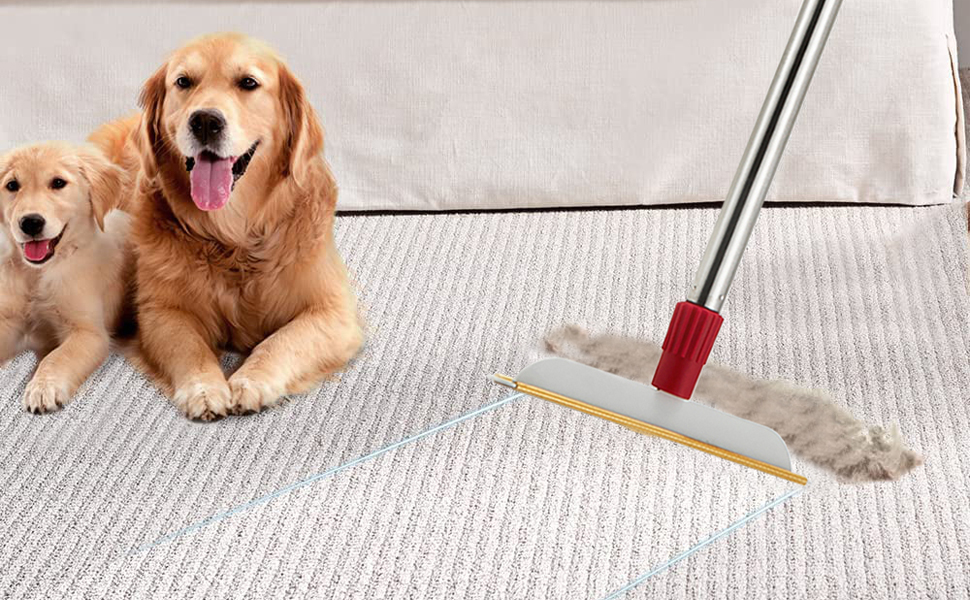
Unlike a standard broom or vacuum, a carpet rake is designed with stiff bristles or rubberized tines that dig into carpet fibers. When dragged across the surface, it loosens and pulls up hair that’s become entangled deep in the pile. This method is especially useful for high-pile or shag carpets, where pet fur tends to cling and evade suction-based cleaning tools.
The carpet rake method for pet hair removal is simple: run the rake in short, overlapping strokes, collecting hair into piles for easy disposal. It’s a manual process, but many users find it surprisingly effective at extracting fur that would otherwise remain hidden.
How to Use a Carpet Rake for Pet Hair
To get the most out of this technique, follow these steps:
- Prepare the area. Remove large debris and objects from the carpet.
- Rake in one direction. Start at one end and pull the rake toward you, applying gentle pressure.
- Overlap strokes. Work in sections, ensuring each pass slightly overlaps the previous one.
- Collect the hair. Gather loosened fur into a pile and dispose of it.
- Vacuum after raking. Finish by vacuuming to pick up any remaining debris and fluff the carpet.
This process can be repeated weekly or as needed, depending on your pet’s shedding habits and the type of carpet you have.
Comparing Carpet Rakes to Other Pet Hair Removal Tools
There are several options for tackling pet fur on carpets, each with its own strengths and limitations. Here’s how the carpet rake stacks up against common alternatives:
| Tool | Effectiveness | Best For |
|---|---|---|
| Carpet Rake | High for deep or embedded hair | Thick, high-pile, or shag carpets |
| Vacuum Cleaner | Moderate to High (depends on suction and brush type) | Routine cleaning, low-pile carpets |
| Rubber Broom | Good for surface hair | Area rugs, hard floors, upholstery |
| Lint Roller | Low for carpets, high for clothing | Furniture, clothing, car interiors |
For a more detailed look at safe cleaning techniques, check out pet hair removal from carpet without damaging fibers, which discusses gentle methods for delicate carpets.
Benefits of Using a Carpet Rake for Pet Hair
- Removes deeply embedded hair: The bristles reach below the surface, pulling out fur that vacuums often leave behind.
- Prepares carpet for vacuuming: Loosening hair first allows your vacuum to pick up more debris in a single pass.
- Reduces allergens: By removing more pet dander, you can improve indoor air quality and reduce allergy symptoms.
- Cost-effective: Carpet rakes are affordable and require no electricity or replacement parts.
- Simple maintenance: Just rinse the rake after use to keep it clean and ready for next time.
Limitations and Considerations
While the carpet rake method for pet hair removal is effective, it’s not a one-size-fits-all solution. Here are a few things to keep in mind:
- Manual effort required: Raking a large area can be tiring, especially for those with mobility issues.
- Not suitable for all carpets: Delicate or looped carpets may snag or fray if raked too aggressively.
- Doesn’t replace vacuuming: A rake is best used as a supplement, not a substitute, for regular vacuum cleaning.
- May not remove all dander: While it excels at lifting hair, microscopic allergens may still require deep cleaning or professional services.
If you’re looking for quick solutions, see pet hair removal from carpet fast cleaning tips for time-saving advice.
Expert Tips for Maximizing Results
- Use short, controlled strokes: This prevents snagging and ensures even coverage.
- Alternate directions: Rake in different directions to loosen hair from all angles.
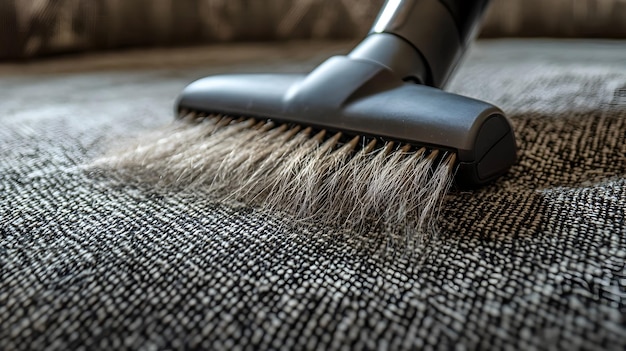
- Pair with a high-suction vacuum: After raking, vacuum thoroughly to remove loosened debris.
- Clean the rake regularly: Remove hair from the bristles after each use to maintain effectiveness.
- Test on a small area: If your carpet is delicate, try the rake on a hidden spot first to check for damage.
For those managing busy households, pet hair removal routine for busy pet owners offers practical routines to keep fur under control with minimal effort.
When to Choose the Carpet Rake Method
This technique is ideal for:
- Homes with multiple pets or heavy shedders
- High-pile, plush, or shag carpets
- Situations where vacuums alone aren’t effective
- Reducing allergens for sensitive family members
However, if your carpet is delicate or you have mobility concerns, consider alternative methods or consult a professional cleaner.
What Do the Experts Say?
Many cleaning professionals recommend combining raking with vacuuming for the most thorough results. According to this expert guide to removing pet hair from carpet, using a rake before vacuuming can significantly increase the amount of fur and dander removed from your floors.
Frequently Asked Questions
Is a carpet rake safe for all types of carpets?
Most rakes are safe for standard and high-pile carpets, but delicate or looped carpets may be prone to snagging. Always test in an inconspicuous area before using widely.
How often should I use the carpet rake for pet hair?
For homes with heavy shedders, weekly use is recommended. For moderate shedding, every two weeks or as needed should suffice.
Can a carpet rake replace vacuuming?
No, raking is best used as a supplement. It loosens and collects hair, making vacuuming more effective, but does not remove all dirt or microscopic allergens.
Does the carpet rake method work on furniture or car interiors?
Some rakes are designed for upholstery, but always check the manufacturer’s recommendations. For furniture and car seats, a rubber brush or lint roller may be more suitable.
Conclusion
The carpet rake method for pet hair removal is a practical, affordable way to tackle stubborn fur that vacuums often miss. While it requires some manual effort, the results can be impressive, especially for thick or plush carpets. By combining raking with regular vacuuming and other cleaning routines, pet owners can maintain cleaner, healthier homes with less visible hair and fewer allergens. For best results, choose the right tools for your carpet type and follow a consistent cleaning schedule.
