
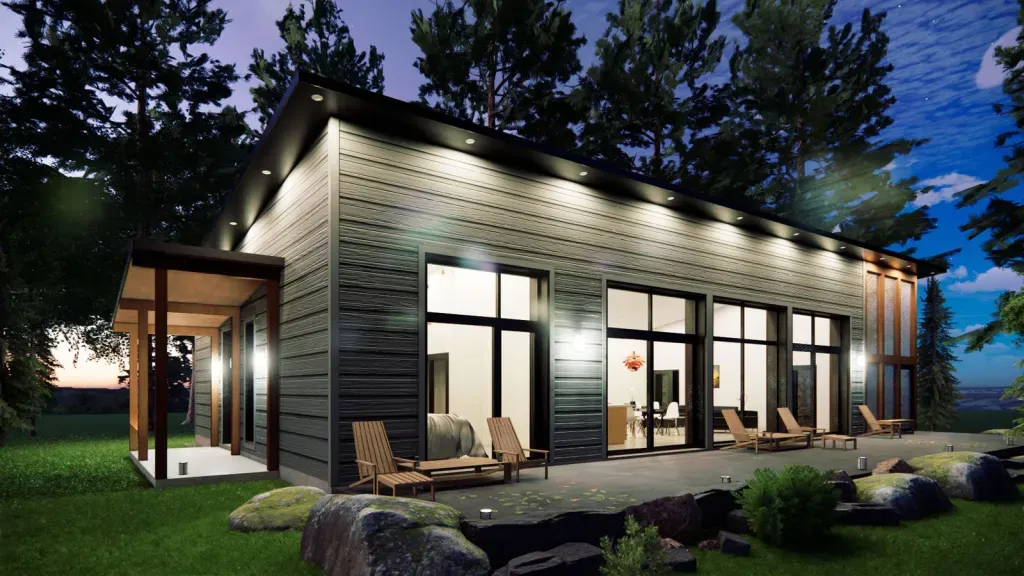
Climate change and net-zero construction are at the forefront of the global effort to create a more sustainable future. As the effects of global warming become increasingly evident, the building industry faces mounting pressure to reduce its environmental impact. Net-zero construction, which aims to balance the energy a building consumes with the renewable energy it produces, is emerging as a practical and impactful response. This approach not only addresses carbon emissions but also redefines how we design, build, and live in our homes and workplaces.
Understanding the connection between the built environment and climate challenges is crucial for anyone interested in sustainability. By adopting net-zero principles, homeowners, builders, and communities can actively contribute to reducing greenhouse gas emissions and supporting a healthier planet. For those looking to explore the broader environmental benefits, the article on environmental benefits net-zero homes provides valuable insights.
Understanding the Role of Buildings in Global Warming
The construction and operation of buildings account for nearly 40% of global carbon dioxide emissions. This significant share comes from both the energy used to power, heat, and cool buildings, as well as the materials and processes involved in construction. As urban populations grow and demand for new buildings increases, so does the urgency to address the sector’s carbon footprint.
Traditional construction methods often rely on fossil fuels and energy-inefficient designs, which contribute to rising greenhouse gas levels. In contrast, net-zero construction focuses on minimizing energy demand, maximizing efficiency, and integrating renewable energy sources. This shift is essential for meeting international climate targets and ensuring a livable future.
What Does Net-Zero Construction Mean?
Net-zero construction refers to buildings that generate as much renewable energy as they consume over the course of a year. Achieving this balance involves a combination of energy-efficient design, advanced insulation, high-performance windows, and on-site renewable energy generation such as solar panels or geothermal systems.
Key features of net-zero buildings include:
- Superior insulation to reduce heating and cooling needs
- High-efficiency HVAC systems and appliances
- Strategic building orientation to maximize natural light and passive solar gain
- On-site renewable energy production
- Smart energy monitoring and management
By implementing these strategies, net-zero construction not only reduces operational emissions but also lowers utility costs for occupants. For a deeper dive into how daily habits can support these goals, see the guide on sustainable living net-zero homes.
How Net-Zero Construction Addresses Climate Change
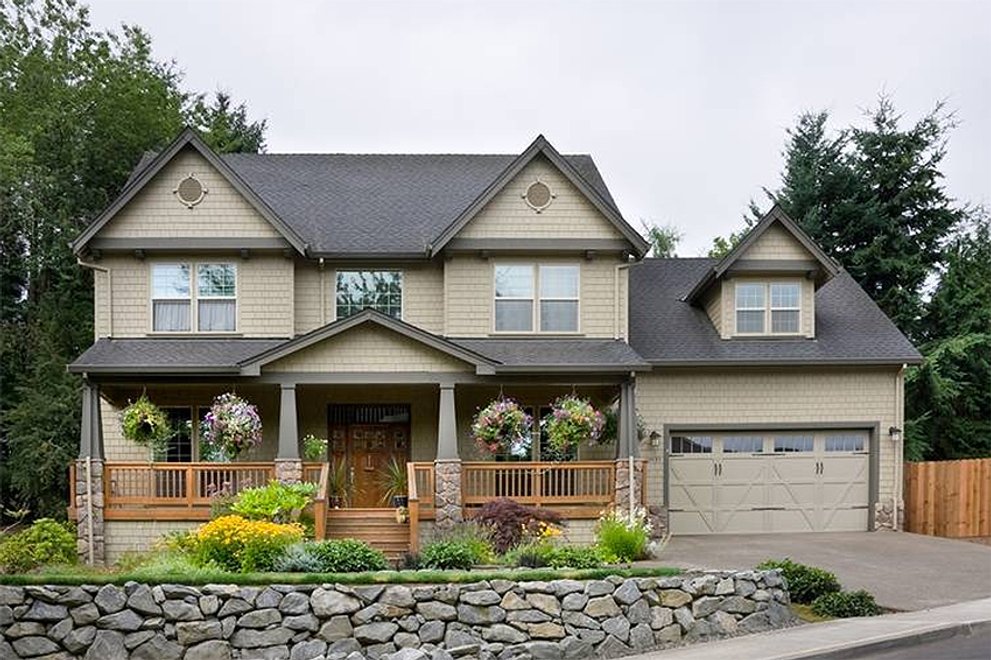
Adopting net-zero construction practices is a direct way to combat the root causes of climate instability. By reducing reliance on fossil fuels and lowering operational emissions, these buildings help slow the pace of global warming. Additionally, net-zero homes and commercial spaces often use materials with lower embodied carbon, further decreasing their overall impact.
Some of the most significant contributions of net-zero buildings to climate action include:
- Reducing demand for non-renewable energy sources
- Supporting the transition to a clean energy grid
- Encouraging innovation in sustainable materials and construction techniques
- Demonstrating scalable solutions for communities and policymakers
For those interested in the measurable impact of these strategies, the article on carbon footprint net-zero homes offers a detailed analysis.
Key Strategies for Achieving Net-Zero in Construction
Reaching net-zero status requires a holistic approach, from design to operation. Here are some of the most effective strategies:
- Passive House Principles: Emphasizing airtight construction, continuous insulation, and controlled ventilation to minimize energy loss.
- Renewable Energy Integration: Installing solar photovoltaic panels, solar thermal systems, or geothermal heat pumps to supply clean energy.
- Energy Monitoring: Using smart meters and energy management systems to track and optimize consumption.
- Material Selection: Choosing low-carbon, recycled, or locally sourced materials to reduce embodied emissions.
- Water Conservation: Incorporating rainwater harvesting, efficient fixtures, and landscaping that requires minimal irrigation.
For a comprehensive overview of the latest technologies and trends, the Autodesk guide to net-zero buildings provides up-to-date industry insights.
Challenges and Opportunities in Sustainable Building
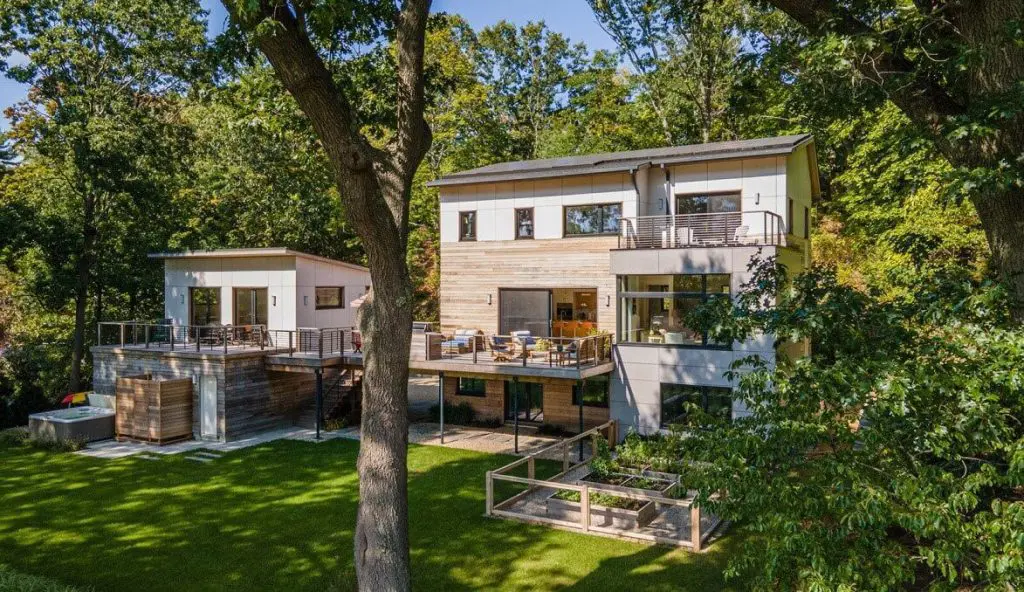
While the benefits of net-zero construction are clear, there are also challenges to widespread adoption. Upfront costs can be higher due to advanced materials and technologies, and there may be a learning curve for builders and homeowners unfamiliar with these systems. However, the long-term savings on energy bills and the potential for increased property value often outweigh initial investments.
Policy incentives, green certifications, and growing consumer demand are making net-zero construction more accessible. As more people become aware of the advantages, the industry is seeing rapid innovation and cost reductions. For those curious about the lifestyle changes involved, the article on lifestyle impact net-zero housing explores comfort, responsibility, and daily routines in these homes.
How Individuals and Communities Can Get Involved
Transitioning to net-zero construction is not limited to new builds. Existing homes and buildings can be retrofitted with better insulation, efficient appliances, and renewable energy systems. Community initiatives, such as shared solar projects or neighborhood energy cooperatives, can amplify the impact and make sustainable living more affordable.
Education and advocacy also play a vital role. By sharing knowledge, supporting local policies, and choosing sustainable products, individuals can drive demand for greener construction. For a broader perspective on transforming your environment, see zero carbon living explained.
Frequently Asked Questions
What is the main goal of net-zero construction?
The primary objective is to create buildings that produce as much renewable energy as they consume annually, resulting in a neutral carbon footprint. This approach helps reduce greenhouse gas emissions and supports a more sustainable built environment.
Are net-zero buildings more expensive to build?
Initial construction costs can be higher due to advanced materials and technologies. However, these costs are often offset over time by lower energy bills, potential tax incentives, and increased property value.
Can existing homes be upgraded to net-zero?
Yes, many existing buildings can be retrofitted with improved insulation, energy-efficient systems, and renewable energy sources to approach or achieve net-zero performance. The feasibility depends on the building’s age, design, and location.
How does net-zero construction benefit the environment?
By minimizing energy use and maximizing renewable generation, net-zero buildings help reduce reliance on fossil fuels, decrease greenhouse gas emissions, and promote healthier communities.
Where can I learn more about sustainable building practices?
Resources such as industry blogs, government guides, and articles like the environmental benefits net-zero homes provide practical information and real-world examples.
