
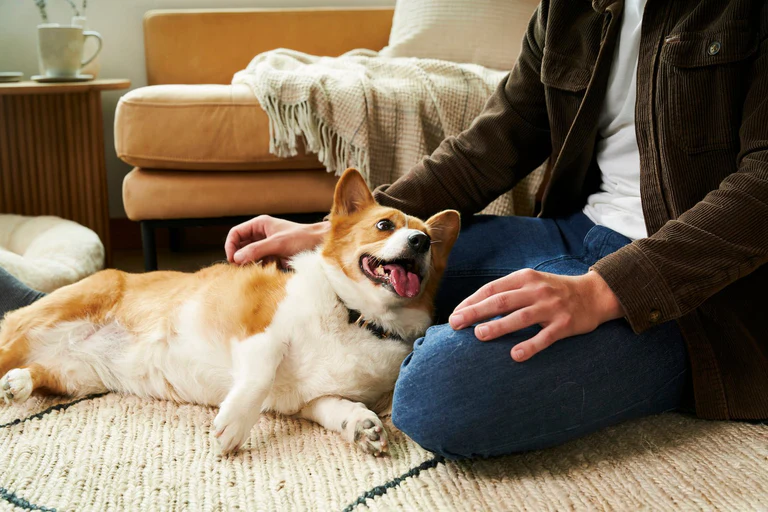
Pet owners know that while furry companions bring joy, they also introduce a persistent challenge: pet hair on carpets and rugs. Whether you have a dog, cat, or another shedding animal, hair can quickly accumulate in fibers, making floors look unkempt and causing other issues. Understanding the most frequent concerns, why they happen, and how to address them is essential for maintaining a clean and healthy home environment.
Beyond appearance, pet hair buildup can aggravate allergies, clog vacuums, and even damage carpet fibers over time. Tackling these concerns requires a combination of prevention, regular cleaning, and the right tools. For those seeking more in-depth strategies, check out pet hair removal from carpet indoor hygiene tips for additional guidance on keeping your floors fresh and allergen-free.
Why Pet Hair Accumulates in Carpets and Rugs
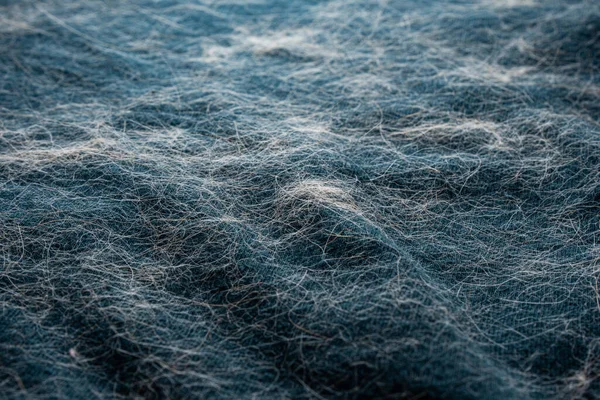
Carpets and rugs act like magnets for fur. The texture and weave of most floor coverings easily trap hair, especially when pets shed heavily during seasonal changes. Static electricity, foot traffic, and the natural movement of pets all contribute to hair becoming embedded deep within the fibers, making it difficult to remove with standard cleaning methods.
Some breeds shed more than others, and certain carpet types—like high-pile or shag—tend to hold onto fur more stubbornly. This means that even with frequent vacuuming, some hair remains lodged, requiring specialized techniques or equipment to fully extract it.
Health and Hygiene Concerns Linked to Pet Hair
One of the common problems with pet hair on carpet is its impact on indoor air quality. Accumulated fur can harbor dust mites, dander, and other allergens, which may trigger symptoms in sensitive individuals. Children, in particular, are more likely to play on the floor, increasing their exposure to these irritants.
Additionally, pet hair can trap moisture, leading to unpleasant odors or even mold growth if not addressed promptly. Regular cleaning and proper ventilation are crucial to minimize these risks and maintain a healthy living space.
Challenges With Cleaning and Maintenance
Removing fur from carpets and rugs is often more difficult than it seems. Standard vacuums may not have enough suction or the right attachments to lift embedded hair, especially from thick or plush surfaces. Over time, this can lead to visible buildup and even reduce the lifespan of your flooring.
Manual methods, such as using rubber brooms or lint rollers, can help, but they are time-consuming for large areas. For those looking for efficient solutions, pet hair removal from carpet fast cleaning tips offers practical advice for speeding up the process without sacrificing results.
Allergy and Respiratory Issues
Another significant concern is the effect of pet hair on carpets for allergy sufferers. Hair and dander can become airborne during cleaning or when disturbed by movement, leading to sneezing, watery eyes, or more severe respiratory symptoms. Regular deep cleaning and using HEPA-filter vacuums can help reduce these effects, but vigilance is needed to keep symptoms at bay.
For households with severe allergies, consider designating pet-free zones or using area rugs that can be washed frequently. This can help limit exposure and make cleaning routines more manageable.
Damage to Carpet Fibers and Appearance
Persistent fur can cause more than just a mess. Over time, hair that is not removed can become entangled with carpet fibers, leading to matting and a dull appearance. This is especially true in high-traffic areas where hair is ground deeper into the pile. In some cases, aggressive cleaning methods may even damage the fibers, shortening the life of your carpet or rug.
To avoid this, it’s important to use gentle but effective techniques. For guidance on safe cleaning, see pet hair removal from carpet without damaging fibers for tips that protect your flooring while removing stubborn hair.
Odor and Staining Issues
Pet hair can trap not just dirt and dust, but also oils and odors from your animal’s skin. Over time, this can lead to persistent smells that are difficult to eliminate, especially if moisture is present. In some cases, hair may also contribute to staining, particularly if pets have accidents or track in mud and debris from outdoors.
Regular vacuuming, prompt spot cleaning, and the use of odor-neutralizing products are key to preventing these issues. Deep cleaning carpets every few months can also help remove embedded hair and refresh your home’s scent.
Effective Solutions for Managing Pet Hair
Addressing the common problems with pet hair on carpet requires a multi-pronged approach. Here are some proven strategies:
- Frequent Vacuuming: Use a vacuum designed for pet hair, ideally with a motorized brush and HEPA filter. Go over high-traffic areas multiple times in different directions.
- Specialized Tools: Rubber brooms, carpet rakes, and lint rollers can help lift hair that vacuums miss. For stubborn spots, dampen a rubber glove and run it over the surface to gather hair.
- Regular Grooming: Brushing pets often reduces shedding and keeps hair from accumulating on floors.
- Washable Rugs: Use area rugs that can be laundered regularly, especially in pet-favorite spots.
- Professional Cleaning: Schedule deep cleaning for carpets at least once or twice a year to remove embedded fur and allergens.
For a step-by-step approach, pet hair removal from carpet using pulling motion details effective manual techniques that can be used alongside vacuuming for best results.
When to Seek Professional Help
If you notice persistent odors, visible matting, or allergy symptoms that don’t improve with regular cleaning, it may be time to consult a professional carpet cleaner. Experts have access to powerful extraction equipment and specialized solutions that can remove deeply embedded hair and restore your carpet’s appearance.
For busy households, establishing a regular cleaning routine is also helpful. Learn more about efficient schedules with pet hair removal routine for busy pet owners to keep your home looking its best with minimal effort.
Additional Resources for Pet Owners
There are many resources available for those struggling with fur on their floors. For cat owners, a comprehensive guide to removing cat hair from carpets provides detailed advice tailored to feline shedding patterns and behaviors.
Combining expert tips, the right tools, and a consistent cleaning schedule can make a noticeable difference in your home’s cleanliness and comfort.
Frequently Asked Questions
How Often Should I Vacuum to Control Pet Hair?
For most homes with pets, vacuuming carpets and rugs at least two to three times per week is recommended. In high-shedding seasons or multi-pet households, daily vacuuming may be necessary to keep hair under control and prevent buildup.
What Type of Vacuum Works Best for Pet Hair?
Look for vacuums labeled as suitable for pet hair, ideally with strong suction, a motorized brush roll, and a HEPA filter. These features help lift embedded fur and reduce allergens in the air.
Are There Any Home Remedies for Removing Pet Hair From Carpets?
Yes, several household items can help. Rubber gloves, slightly dampened, are effective for gathering hair from carpet surfaces. Squeegees and rubber brooms are also useful for pulling fur out of fibers before vacuuming.
Can Pet Hair Damage My Carpet Over Time?
Yes, if left unaddressed, accumulated hair can cause matting and dullness, and may even contribute to fiber damage. Regular cleaning and using the right tools help protect your carpet’s appearance and longevity.
