
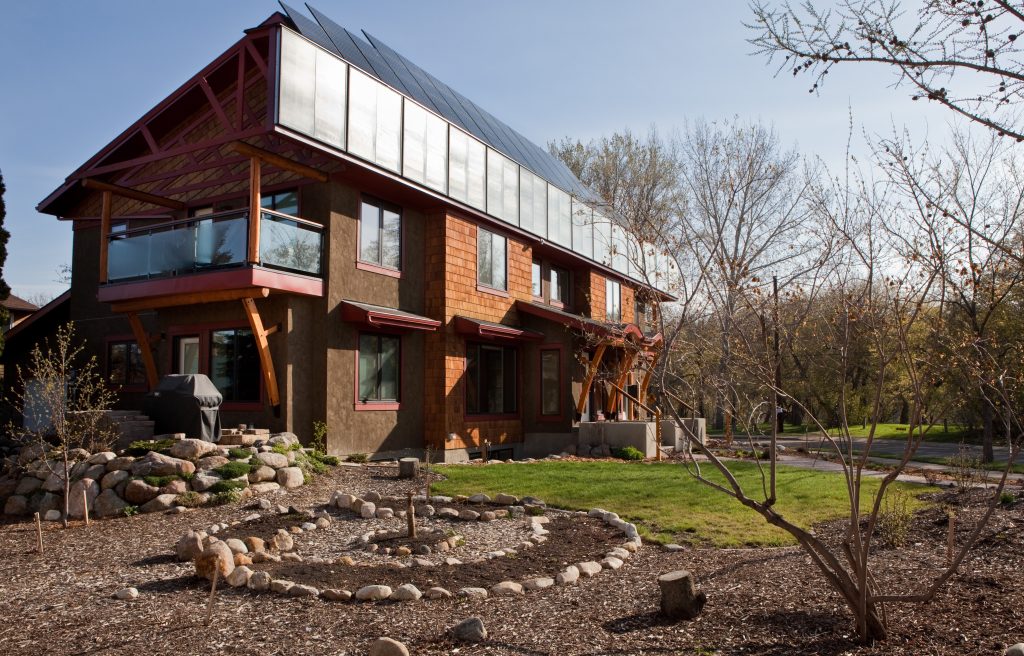
The movement toward net-zero homes is accelerating as climate concerns, energy costs, and sustainable living become priorities for homeowners, builders, and policymakers. These residences are designed to produce as much energy as they consume, dramatically reducing carbon emissions and utility bills. As technology advances and public awareness grows, the future of net-zero homes is being shaped by new trends and innovations that promise to make sustainable living more accessible, efficient, and appealing.
This article explores the evolving landscape of ultra-efficient housing, highlighting the latest developments in design, construction, and smart home technology. For those interested in practical steps toward greener living, the green living net-zero household guide offers actionable tips to complement the trends discussed here.
Emerging Trends Shaping Energy-Efficient Homes
Several key trends are influencing the next generation of energy-neutral housing. These developments are making it easier for more people to embrace sustainable living while maintaining comfort and style.
- Prefabrication and Modular Construction: Off-site building methods are speeding up construction timelines and reducing waste. Prefabricated panels and modular components are designed for optimal insulation and airtightness, making it simpler to achieve net-zero performance.
- Advanced Building Envelopes: High-performance windows, triple glazing, and continuous insulation are becoming standard. These features minimize heat loss and improve indoor air quality, which is essential for energy-efficient homes.
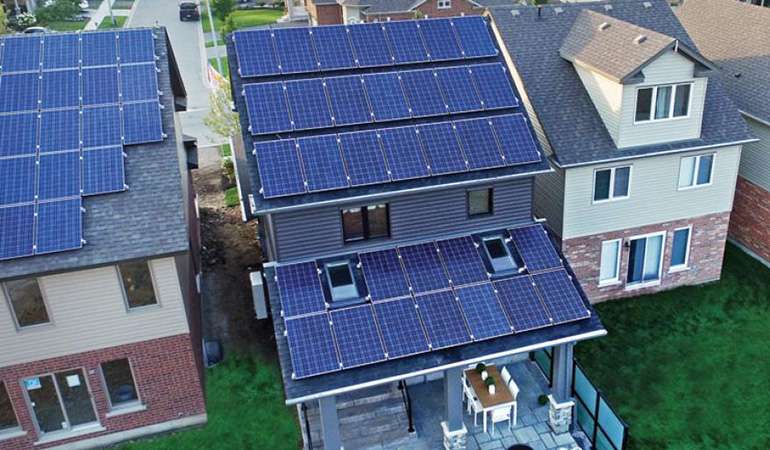
- Integration of Renewable Energy: Solar panels, geothermal systems, and even small-scale wind turbines are being seamlessly incorporated into home designs. Battery storage solutions are also gaining traction, allowing homeowners to store excess energy for use during peak demand or outages.
- Smart Home Automation: Intelligent controls for lighting, heating, cooling, and appliances are optimizing energy use. These systems learn occupant behaviors and adjust settings automatically to maximize efficiency and comfort.
Innovative Materials and Construction Techniques
Material science is playing a pivotal role in the evolution of sustainable housing. Builders and architects are exploring new products and methods to push the boundaries of what’s possible in net-zero construction.
- Cross-Laminated Timber (CLT): This engineered wood product offers strength comparable to concrete and steel but with a much lower carbon footprint. CLT is increasingly used for structural elements in eco-friendly homes.
- Recycled and Bio-Based Materials: Insulation made from cellulose, sheep’s wool, or recycled denim is replacing traditional fiberglass. Low-carbon concrete and recycled steel are also gaining popularity.
- Passive House Principles: Many net-zero projects are adopting passive design strategies such as strategic window placement, thermal mass, and airtight construction to minimize energy needs before renewable systems are added.
Smart Technology and Home Energy Management
The adoption of smart technology is a defining feature of the next wave of zero-energy homes. These systems not only improve efficiency but also provide homeowners with greater control and insight into their energy consumption.
- Real-Time Energy Monitoring: Devices like smart meters and energy dashboards allow residents to track usage patterns, identify inefficiencies, and adjust behaviors to minimize waste.
- Automated Climate Control: Learning thermostats and zoned HVAC systems respond to occupancy and weather changes, ensuring comfort while reducing unnecessary heating or cooling.
- Remote Access and Integration: Mobile apps and voice assistants enable users to manage lighting, appliances, and security systems from anywhere, further optimizing energy use.
For a deeper look at how these innovations impact daily life, see the article on the lifestyle impact net-zero housing and how comfort and responsibility go hand in hand in these advanced homes.
Policy, Incentives, and the Path to Mainstream Adoption
Government policies and financial incentives are critical drivers in the widespread adoption of net-zero homes. Many regions are introducing stricter building codes, rebates, and tax credits to encourage both new construction and retrofits.
- Building Code Evolution: Jurisdictions worldwide are updating standards to require higher energy performance. Some cities are mandating net-zero-ready construction for all new residential buildings within the next decade.
- Financial Incentives: Homeowners can benefit from grants, low-interest loans, and rebates for installing renewable energy systems or upgrading insulation and windows.
- Education and Certification: Programs like LEED, Passive House, and ENERGY STAR are helping buyers identify high-performance homes and encouraging builders to adopt best practices.
For those interested in the broader environmental context, the article on climate change and net-zero construction explores how these homes contribute to global sustainability goals.
Challenges and Opportunities Ahead
While the outlook for energy-neutral housing is promising, several challenges remain. Upfront costs, lack of skilled labor, and the need for greater public awareness can slow adoption. However, ongoing innovation and supportive policies are helping to overcome these barriers.
- Cost Reduction: As demand grows and technologies mature, the price of high-performance materials and renewable systems is expected to decrease, making net-zero homes more attainable.
- Workforce Training: Expanding education for architects, builders, and tradespeople ensures that more professionals are equipped to deliver quality net-zero projects.
- Consumer Awareness: Public education campaigns and transparent labeling help buyers understand the long-term value and benefits of sustainable homes.
For those looking to reduce their environmental impact, the carbon footprint net-zero homes article provides an in-depth analysis of how these residences contribute to a healthier planet.
Additionally, exploring building for the future with net-zero homes can offer further insights into the technical and social aspects of this growing movement.
Looking Forward: What’s Next for Sustainable Living?
The coming years will see even greater integration of smart energy management, innovative materials, and renewable technologies. As more people recognize the benefits of these homes—lower bills, improved comfort, and a reduced environmental footprint—demand is expected to rise. Collaboration between governments, industry, and consumers will be essential to make net-zero living the norm rather than the exception.
For practical advice on incorporating sustainable habits into daily routines, the sustainable living net-zero homes guide offers helpful tips for both new and existing homeowners.
Frequently Asked Questions
What defines a net-zero home?
A net-zero home is designed to produce as much energy as it consumes over the course of a year. This is typically achieved through a combination of energy-efficient construction, advanced insulation, airtightness, and on-site renewable energy generation such as solar panels.
Are net-zero homes more expensive to build?
While the initial construction cost can be higher due to advanced materials and renewable systems, these homes often result in significant long-term savings through reduced utility bills and maintenance costs. Incentives and rebates can also help offset upfront expenses.
How do smart technologies contribute to net-zero performance?
Smart technologies optimize energy use by automating lighting, heating, cooling, and appliance operation. Real-time monitoring allows homeowners to track and adjust their consumption, ensuring the home remains as efficient as possible.
