
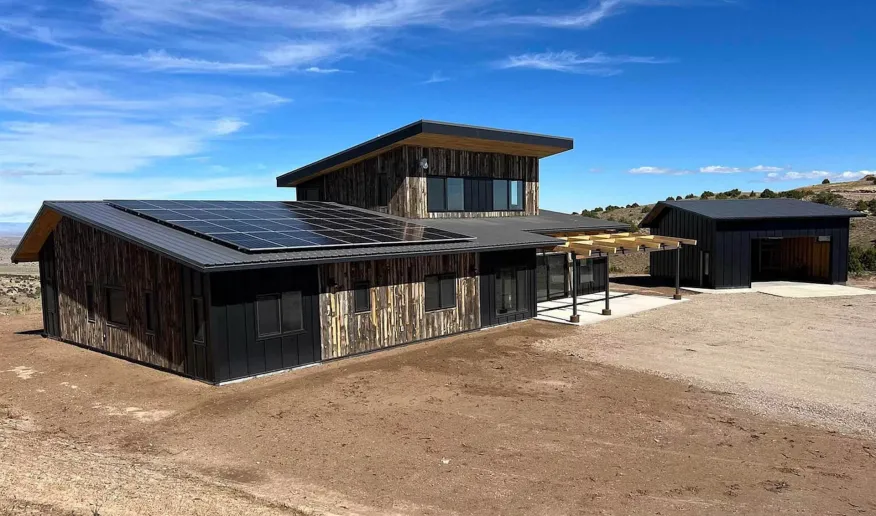
Adopting a green living net-zero household guide approach is becoming increasingly important for families seeking to reduce their environmental impact and save on energy costs. Achieving a net-zero home means balancing the energy you consume with the energy you produce, resulting in a minimal carbon footprint. This guide offers practical, everyday strategies to help you move toward a more sustainable lifestyle—whether you’re just starting or looking to optimize your current efforts.
From energy efficiency upgrades to daily habits that make a difference, the journey to net-zero is accessible for households of all sizes. Along the way, you’ll discover how small changes can add up to significant benefits for both your wallet and the planet. For a deeper understanding of the environmental benefits net-zero homes provide, explore our in-depth analysis on how these homes protect the planet.
Understanding the Path to a Net-Zero Home
At its core, a net-zero household produces as much renewable energy as it consumes over the course of a year. This balance is achieved through a combination of energy efficiency measures, renewable energy generation, and mindful consumption. The green living net-zero household guide approach emphasizes both technological upgrades and behavioral changes.
Key steps on the path include:
- Improving insulation and sealing air leaks
- Upgrading to energy-efficient appliances and lighting
- Installing renewable energy systems, such as solar panels
- Adopting sustainable daily habits
For more on how lifestyle choices influence your home’s sustainability, visit our article on lifestyle impact net-zero housing.
Energy Efficiency: The Foundation of Sustainable Living
Before investing in renewable energy, it’s crucial to reduce your household’s energy demand. Start by identifying areas where energy is wasted. A thermal imaging camera can help you spot heat loss around windows, doors, and insulation gaps. Addressing these issues can yield immediate savings and improve comfort.
Simple upgrades include:
- Switching to LED lighting throughout your home
- Installing programmable thermostats to optimize heating and cooling
- Sealing ducts and adding insulation to attics and crawlspaces
- Replacing old appliances with ENERGY STAR-rated models
Monitoring your energy use is also key. Devices like smart energy monitors provide real-time feedback, helping you identify patterns and areas for improvement.
Renewable Energy: Generating Power at Home
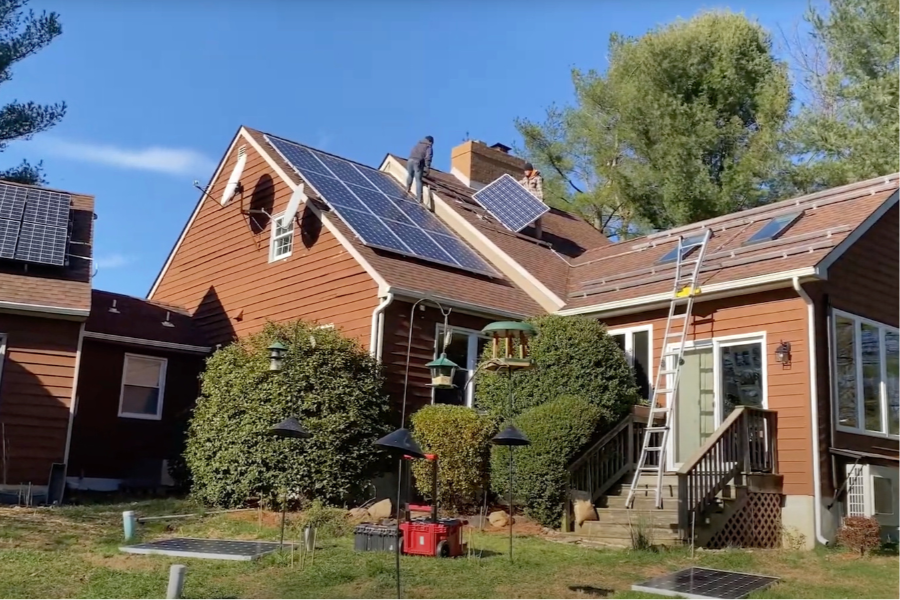
Once your home is as efficient as possible, the next step is generating clean energy. Solar panels are the most common solution for residential net-zero goals. They convert sunlight into electricity, offsetting your grid use and lowering utility bills. In some regions, you may also consider small wind turbines or geothermal systems, depending on local resources and incentives.
When sizing a solar array, consider your annual energy consumption and available roof space. Many homeowners start with a smaller system and expand as their needs change. Battery storage can further increase self-sufficiency by storing excess power for use at night or during outages.
Everyday Habits for a Net-Zero Lifestyle
Technology alone won’t get you to net-zero. Daily routines and conscious choices play a major role. Here are some practical habits to adopt:
- Turn off lights and electronics when not in use
- Wash clothes in cold water and air-dry when possible
- Limit hot water use by taking shorter showers
- Unplug chargers and devices to avoid phantom loads
- Use natural ventilation instead of air conditioning on mild days
- Plan meals to reduce food waste and compost organic scraps
For more inspiration on daily routines that support sustainability, see our resource on sustainable living net-zero homes.
Tracking Progress and Staying Motivated
Measuring your progress is essential for long-term success. Smart meters, energy monitors, and utility dashboards can help you track usage and identify trends. Celebrate milestones, such as reaching a new low in monthly energy consumption or producing more power than you use during sunny months.
Share your journey with neighbors and friends to inspire others and build a community of like-minded individuals. Many local governments and utilities offer incentives, rebates, and educational programs to support your efforts.
If you’re interested in a step-by-step approach, this comprehensive guide to making your home net-zero provides additional technical details and planning tips.
Reducing Your Home’s Carbon Footprint
One of the main goals of a net-zero household is to minimize greenhouse gas emissions. By combining energy efficiency, renewable generation, and mindful consumption, you can dramatically shrink your carbon footprint. For a detailed look at the impact, check out our analysis on carbon footprint net-zero homes.
Other ways to reduce your environmental impact include:
- Choosing low-impact building materials for renovations
- Supporting local, sustainable food producers
- Opting for electric or hybrid vehicles
- Participating in community clean energy programs
As you make progress, you’ll not only lower your emissions but also enjoy a healthier, more comfortable living environment.
Zero Carbon Living: The Next Step
For those ready to go beyond net-zero, zero carbon living involves eliminating all sources of carbon emissions from your household. This can include switching to electric heating and cooking, sourcing 100% renewable energy, and offsetting any remaining emissions. Learn more about this advanced approach in our article zero carbon living explained.
Frequently Asked Questions
What is the difference between a net-zero and a zero carbon home?
A net-zero home balances the energy it uses with the energy it produces, typically through on-site renewables. A zero carbon home goes further by eliminating all sources of carbon emissions, including those from heating, cooking, and transportation, often by using only renewable energy and offsetting any unavoidable emissions.
How much does it cost to make a home net-zero?
The cost varies depending on the size of your home, current efficiency, and local incentives. Upgrades like insulation and LED lighting are relatively affordable, while solar panels and heat pumps require a larger investment. However, many homeowners see a return through lower utility bills and available rebates.
Can renters adopt net-zero principles?
Yes, renters can make a difference by focusing on energy-saving habits, using efficient appliances, and advocating for upgrades with landlords. Portable solar panels, smart power strips, and low-flow fixtures are renter-friendly options that support a greener lifestyle.
