
Many people turn to steam cleaning for its effectiveness and eco-friendly approach, but when it comes to delicate textiles, caution is essential. Whether you’re caring for fine upholstery, vintage drapes, or specialty garments, understanding if steam cleaning is suitable for delicate fabrics can help you avoid costly mistakes and preserve your items for years to come.
This guide explores the advantages and risks of using steam on sensitive materials, offers practical tips for safe cleaning, and highlights when alternative methods might be better. If you’re also dealing with pet hair or maintaining indoor hygiene, you may find value in our related resource on pet hair removal from carpet indoor hygiene tips.
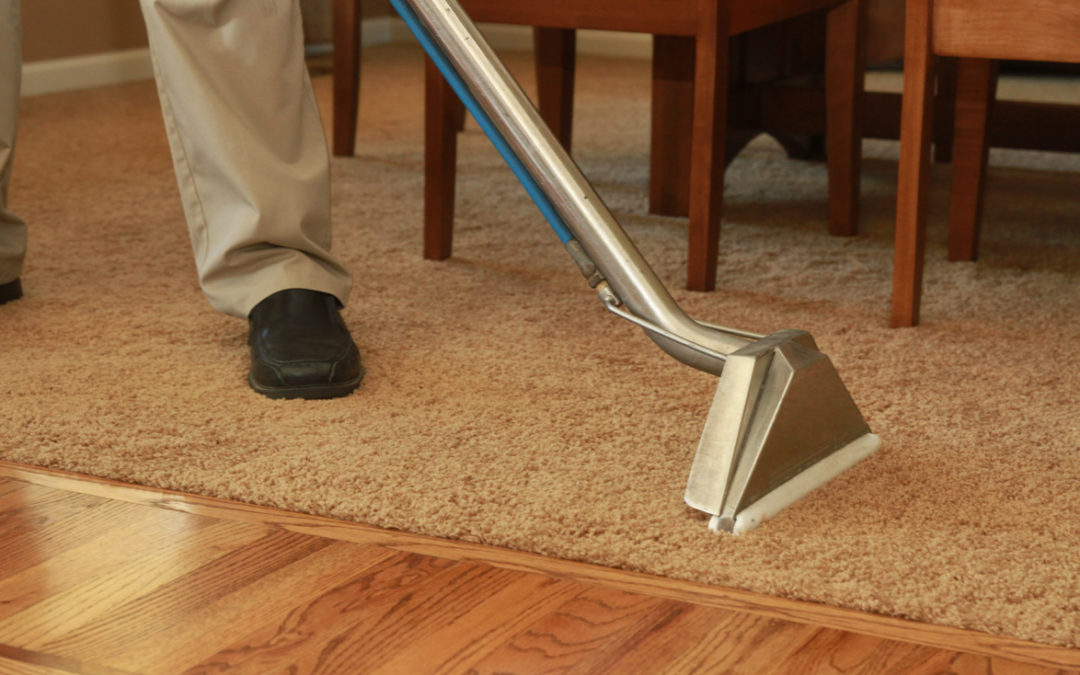
Understanding Steam Cleaning and Its Effects on Sensitive Materials
Steam cleaning uses high-temperature vapor to loosen dirt, kill bacteria, and refresh fabrics without harsh chemicals. While this method is celebrated for deep cleaning carpets and robust upholstery, its suitability for fragile textiles is more nuanced.
The main concern with using steam on delicate items is the potential for heat and moisture to weaken fibers, cause shrinkage, or alter texture. Materials like silk, velvet, wool blends, and some synthetics can be particularly vulnerable. Always check care labels and manufacturer recommendations before proceeding.
Which Fabrics Are Considered Delicate?
Before deciding if steam cleaning is suitable for delicate fabrics in your home, it’s important to identify what qualifies as delicate. Common examples include:
- Silk and silk blends
- Wool and cashmere
- Velvet and velour
- Lace and fine embroidery
- Rayon and viscose
- Some vintage or hand-dyed textiles
These materials often have unique weaves or finishes that can be disrupted by excessive heat or moisture. Even if a fabric feels sturdy, its construction may make it more sensitive to steam than you expect.

Benefits and Drawbacks of Steam for Fragile Textiles
Advantages of Steam Cleaning
- Sanitization: Steam kills dust mites, bacteria, and allergens without chemicals.
- Odor Removal: Steam helps neutralize odors trapped in fibers.
- Eco-Friendly: No need for detergents or solvents, reducing chemical exposure.
Potential Risks for Sensitive Materials
- Heat Damage: High temperatures may cause fibers to shrink or lose shape.
- Water Marks: Excess moisture can leave spots or cause dyes to bleed.
- Texture Changes: Pile fabrics like velvet may become crushed or matted.
- Weakened Fibers: Repeated exposure can make some textiles more prone to tearing.
For these reasons, it’s important to approach steam cleaning of delicate items with care, and to test a small, inconspicuous area first.
Tips for Safely Using Steam on Delicate Fabrics
- Read Labels: Always check the care instructions. If the label says “dry clean only,” avoid steam unless a professional gives the green light.
- Use Low Heat: Many steamers have adjustable settings. Choose the lowest temperature and shortest exposure time.
- Hold at a Distance: Keep the steamer nozzle at least six inches from the fabric to prevent saturation and overheating.
- Test First: Try steaming a hidden section to check for colorfastness and texture changes.
- Limit Moisture: Avoid over-wetting. Let the fabric air dry thoroughly after steaming.
- Consider Professional Help: For valuable or irreplaceable items, consult a cleaning expert.
If you’re dealing with pet hair or stubborn debris on carpets, our guide on pet hair removal from carpet fast cleaning tips may offer additional solutions.

When to Avoid Steam Cleaning on Sensitive Textiles
There are situations where using steam is not recommended. If the fabric is antique, has loose embellishments, or is prone to water stains, it’s best to avoid steam altogether. For these items, dry cleaning or gentle hand washing may be safer.
If you’re unsure, consult a professional or refer to guides such as step-by-step instructions for steam cleaning carpets for more information on safe practices.
Alternative Cleaning Methods for Fragile Fabrics
If steam isn’t appropriate, consider these alternatives:
- Dry Cleaning: Best for wool, silk, and vintage items.
- Spot Cleaning: Use a mild detergent and blot gently with a clean cloth.
- Vacuuming: Use a low-suction vacuum with a brush attachment to remove dust and debris.
- Professional Services: For valuable or sentimental pieces, professional textile cleaners offer specialized care.
For those managing pet hair on delicate carpets, our article on pet hair removal from carpet without damaging fibers provides additional advice.
FAQ: Steam Cleaning and Delicate Fabrics
Can I use a handheld steamer on silk curtains?
Silk is highly sensitive to heat and moisture. While some handheld steamers offer gentle settings, it’s best to test a small area first and keep the nozzle at a safe distance. If in doubt, consider professional cleaning.
What should I do if my fabric label says “dry clean only”?
If the care label specifies “dry clean only,” avoid steam cleaning. These items may be damaged by heat or moisture, so stick to professional dry cleaning or consult a textile expert.
Is steam cleaning safe for wool upholstery?
Wool can sometimes tolerate low-heat steam, but it’s prone to shrinkage and distortion. Always use the lowest setting, avoid over-wetting, and test a hidden area first. When in doubt, professional cleaning is the safest choice.
How can I remove pet hair from delicate carpets without causing damage?
Use a vacuum with a gentle brush attachment or a rubber squeegee to lift pet hair. For more detailed steps, see our guide on pet hair removal from carpet using pulling motion.
Are there any fabrics that should never be steam cleaned?
Yes. Avoid steam on antique textiles, loosely woven fabrics, items with glued embellishments, and anything labeled “dry clean only.” These materials are at high risk for damage from heat and moisture.
