
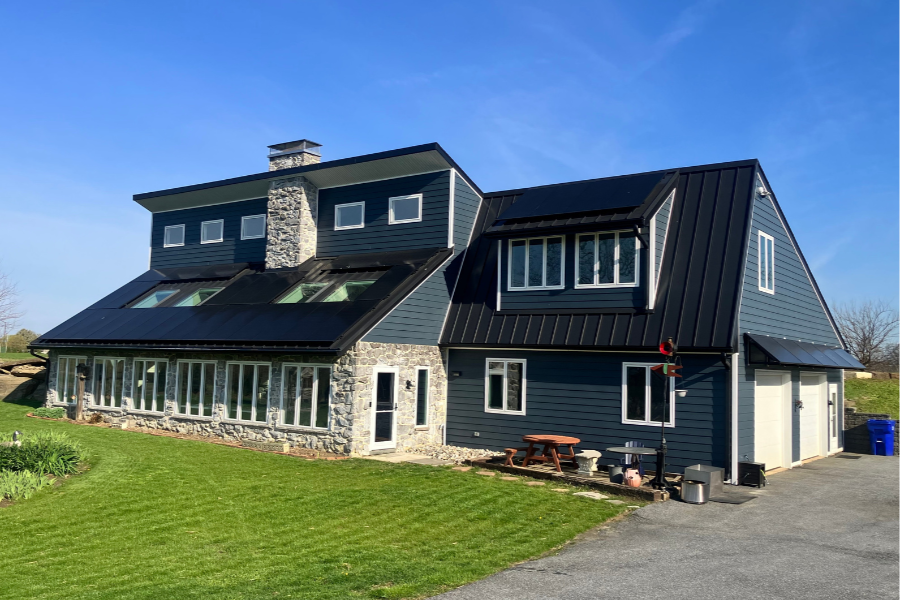
The concept of net-zero community development explained is transforming how neighborhoods are designed, built, and lived in. As climate change and resource scarcity become more pressing, communities worldwide are seeking ways to minimize their environmental impact while enhancing quality of life. Net-zero neighborhoods aim to balance the energy they consume with the energy they produce, resulting in a dramatically reduced carbon footprint and a more sustainable future for residents.
These forward-thinking developments go beyond individual homes. They integrate renewable energy, efficient infrastructure, and community-focused planning to create places where people can thrive without compromising the planet. In this article, we’ll break down what makes these neighborhoods unique, how they work, and why they’re rapidly gaining attention as a model for sustainable living.
For a deeper look at the environmental advantages of these projects, see environmental benefits net-zero homes, which explores how these communities help protect the planet.
What Is a Net-Zero Neighborhood?
At its core, a net-zero neighborhood is a community designed to produce as much renewable energy as it consumes over the course of a year. This is achieved by combining energy-efficient buildings, on-site renewable energy generation (like solar panels), and smart infrastructure that manages resources effectively. The result is a community that has a minimal or even neutral impact on the environment.
Unlike traditional developments, these neighborhoods are planned holistically. Every element—from home construction to transportation, landscaping, and waste management—is considered for its environmental impact. The goal is to create a place where residents can enjoy modern comforts while living in harmony with nature.
Key Features of Net-Zero Community Design
To understand net-zero community development explained in practice, it’s helpful to look at the essential features that set these neighborhoods apart:
- Energy-Efficient Buildings: Homes and community structures are built or retrofitted to the highest efficiency standards, using insulation, airtight construction, and advanced windows to minimize energy loss.
- On-Site Renewable Energy: Solar panels, wind turbines, or geothermal systems generate clean energy, often shared across the community through microgrids.
- Smart Resource Management: Water conservation, rainwater harvesting, and efficient waste systems reduce resource consumption and environmental impact.
- Green Spaces and Biodiversity: Parks, community gardens, and native landscaping promote biodiversity and provide natural cooling and recreation.
- Low-Carbon Transportation: Walkable layouts, bike paths, electric vehicle charging, and access to public transit reduce reliance on fossil fuels.
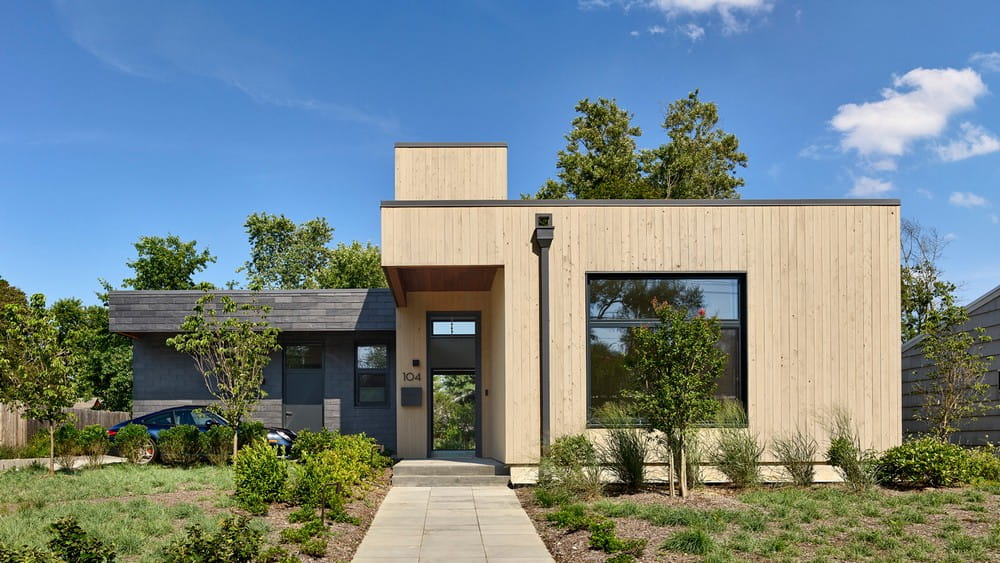
These features come together to create communities that are not only environmentally responsible but also healthier and more resilient for residents.
How Net-Zero Communities Achieve Energy Balance
Achieving net-zero status requires a combination of strategies. First, energy demand is reduced through efficient design and smart technologies. Next, renewable energy systems are installed to meet or exceed the remaining energy needs. Many neighborhoods use shared microgrids, allowing energy to be distributed efficiently and stored for later use.
Advanced monitoring tools, such as energy management systems, help track usage and optimize performance. Residents are often encouraged to adopt sustainable habits, further reducing the community’s overall energy footprint. For practical tips on daily routines that support this lifestyle, explore sustainable living net-zero homes.
Benefits Beyond Energy Savings
While the primary goal is to reduce or eliminate carbon emissions, the advantages of these neighborhoods extend much further:
- Lower Utility Bills: Residents often pay less for electricity and water due to efficiency and on-site generation.
- Improved Health: Better air quality, access to green spaces, and reduced pollution contribute to healthier living conditions.
- Community Resilience: Local energy production and resource management make neighborhoods less vulnerable to grid outages or supply disruptions.
- Increased Property Value: Sustainable features and lower operating costs can boost home values and attract eco-conscious buyers.
- Positive Environmental Impact: By minimizing resource use and emissions, these communities play a crucial role in combating climate change. For a detailed analysis, see carbon footprint net-zero homes.
Design Strategies for Future-Ready Neighborhoods
Developers and planners use a variety of approaches to bring net-zero communities to life. Some key strategies include:
- Integrated Planning: Collaboration between architects, engineers, and residents ensures that energy, water, transportation, and green space needs are met holistically.
- Passive Design: Buildings are oriented and constructed to take advantage of natural light, shade, and ventilation, reducing the need for mechanical heating and cooling.
- Shared Resources: Community solar arrays, car-sharing programs, and communal gardens maximize efficiency and foster a sense of connection.
- Smart Technology: Sensors, automation, and real-time data help optimize resource use and identify areas for improvement.
For those interested in the design process, net-zero energy home designs provides insights into architectural and engineering best practices for sustainable communities.
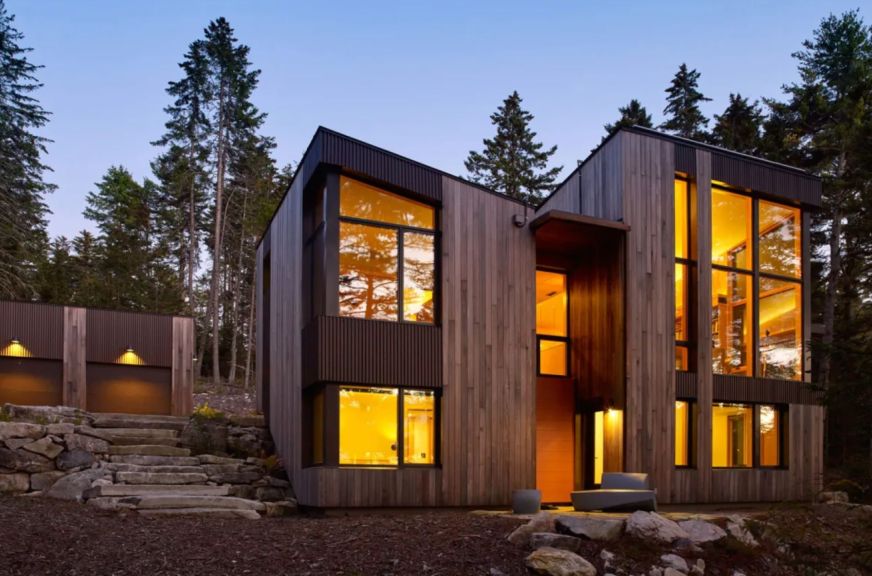
Challenges and Opportunities in Net-Zero Community Development
While the vision for these neighborhoods is compelling, there are hurdles to widespread adoption. Upfront costs for renewable energy systems and high-performance construction can be significant, though these are often offset by long-term savings. Regulatory barriers, lack of awareness, and the need for skilled professionals can also slow progress.
However, as technology advances and demand grows, costs are falling and more resources are available to support these projects. Government incentives, innovative financing, and community-driven initiatives are making it easier for developers and residents to embrace this model. For those interested in the broader lifestyle implications, lifestyle impact net-zero housing explores how these neighborhoods shape daily life and personal responsibility.
Frequently Asked Questions
What does “net-zero” mean in the context of a neighborhood?
In this context, “net-zero” refers to a community that produces as much renewable energy as it consumes over a year. This is achieved through a combination of energy-efficient design, on-site renewable generation, and smart management of resources.
Are net-zero neighborhoods more expensive to live in?
While the initial investment in energy-efficient construction and renewable systems can be higher, residents often benefit from lower utility bills and maintenance costs over time. Incentives and financing options are increasingly available to help offset upfront expenses.
How do net-zero communities benefit the environment?
These neighborhoods significantly reduce greenhouse gas emissions, conserve water, and promote biodiversity. By minimizing reliance on fossil fuels and encouraging sustainable habits, they help combat climate change and create healthier living environments.
Looking Ahead: The Future of Sustainable Neighborhoods
As the need for climate action grows, net-zero communities are setting a new standard for sustainable development. By integrating energy efficiency, renewable power, and thoughtful planning, these neighborhoods offer a blueprint for the future—one that prioritizes both people and the planet. With continued innovation and community engagement, the vision of truly sustainable neighborhoods is becoming a reality for more people every year.
For a broader perspective on how these ideas fit into the movement toward a carbon-free lifestyle, see zero carbon living explained.
