
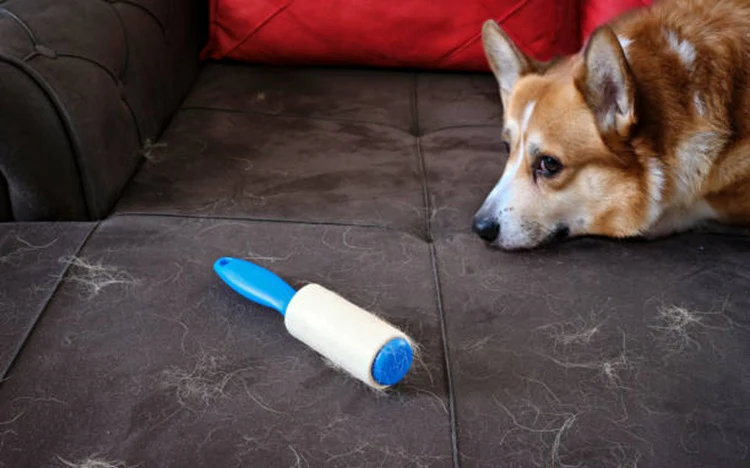
Living with pets brings joy and companionship, but it also means dealing with the constant challenge of pet hair removal from carpet in pet homes. Carpets tend to trap fur, dander, and allergens, making regular cleaning essential for both comfort and hygiene. Whether you have a shedding dog, a fluffy cat, or multiple pets, keeping your carpets free of hair can feel like a never-ending task. Fortunately, there are effective strategies and tools that make this job much easier, helping you maintain a clean, fresh environment for your family and furry friends.
This guide covers practical methods, recommended tools, and expert tips for tackling stubborn pet hair embedded in carpets. You’ll also find advice on maintaining a regular cleaning routine and preventing excessive buildup. If you’re looking for more specialized advice, check out pet hair removal from carpet indoor hygiene tips for additional strategies tailored to keeping your home healthy and allergen-free.
Why Pet Hair Accumulates in Carpets
Carpet fibers act like magnets for pet hair, trapping it deep within the pile. Unlike hard floors, where fur can be swept away easily, carpets hold onto hair due to static electricity and the texture of the fibers. High-traffic areas, favorite pet lounging spots, and rooms with thick pile carpets are especially prone to visible buildup.
Seasonal shedding, certain pet breeds, and even the humidity in your home can influence how much hair ends up embedded in your flooring. Understanding these factors helps you choose the right cleaning approach and frequency for your household.
Essential Tools for Effective Pet Hair Removal
Having the right equipment makes a significant difference when tackling pet hair removal from carpet in pet homes. Here are some of the most effective tools:
- Vacuum Cleaners with Pet Attachments: Models designed for pet owners feature specialized brushes and strong suction to lift stubborn hair from carpet fibers.
- Rubber Brooms: The static charge from rubber bristles attracts and gathers hair, making it easy to pull fur from even thick carpets.
- Lint Rollers and Sticky Sheets: Useful for quick touch-ups and small areas, these tools can pick up surface hair that vacuums might miss.
- Carpet Rakes: These tools dig deep into the pile, loosening and lifting embedded fur for easier vacuuming.
- Microfiber Cloths and Sponges: Slightly dampened, these can help gather hair by clinging to it as you wipe across the carpet.
For more details on safe cleaning methods, consider reading about pet hair removal from carpet without damaging fibers to protect your flooring while keeping it fur-free.
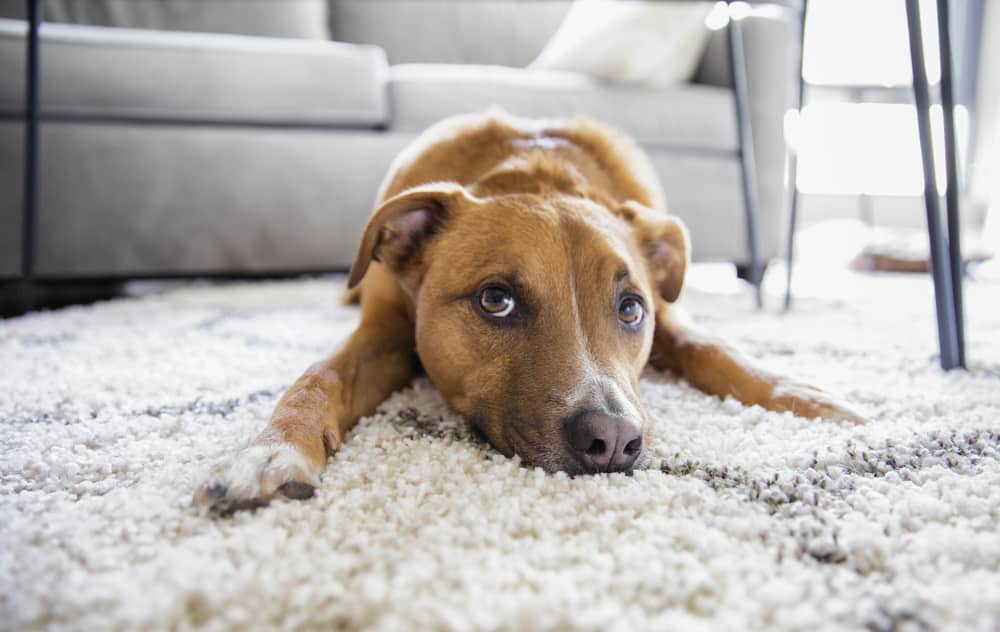
Step-by-Step Guide to Removing Pet Hair from Carpets
To achieve the best results, follow these steps for thorough pet hair removal from carpet in pet homes:
- Prep the Area: Remove furniture and other obstacles to expose as much carpet as possible.
- Loosen Hair: Use a rubber broom or carpet rake to pull up embedded hair. Work in small sections for maximum effectiveness.
- Vacuum Thoroughly: Go over each section slowly, using a vacuum with a motorized brush or pet hair attachment. Overlap strokes to ensure all hair is collected.
- Spot Clean: For stubborn patches, press a damp microfiber cloth or sponge onto the area and lift away remaining fur.
- Repeat as Needed: High-shedding pets may require daily or every-other-day cleaning, especially during seasonal changes.
For those looking for time-saving techniques, pet hair removal from carpet fast cleaning tips offers quick solutions that fit busy lifestyles.
Preventing Excessive Pet Hair Buildup
While cleaning is essential, prevention can reduce the amount of hair that ends up in your carpet. Here are some proactive steps:
- Regular Grooming: Brush your pets frequently to remove loose fur before it falls onto the carpet.
- Use Pet Beds and Blankets: Encourage pets to rest in designated areas with washable covers to contain shedding.
- Maintain a Cleaning Schedule: Consistency is key. Establish a routine that includes vacuuming, raking, and spot cleaning.
- Air Filtration: HEPA filters in your HVAC system or standalone air purifiers can help capture airborne hair and dander.
For those with hectic schedules, a pet hair removal routine for busy pet owners can help you stay on top of cleaning without feeling overwhelmed.

Expert Tips for Stubborn Pet Hair
Some carpets and pet breeds present unique challenges. Here are a few advanced tips for persistent fur problems:
- Use Baking Soda: Sprinkle lightly over the carpet before vacuuming. Baking soda helps loosen hair and neutralizes odors.
- Try Squeegees: A window squeegee with a rubber edge can be dragged across the carpet to collect hair into clumps for easier pickup.
- Alternate Vacuum Directions: Vacuuming in different directions lifts hair that may be trapped beneath the surface fibers.
- Deep Clean Periodically: Steam cleaning or using a carpet cleaner every few months removes embedded fur and refreshes the carpet.
If you want to learn more about specialized techniques, check out pet hair removal from carpet using pulling motion for targeted advice on removing deeply lodged hair.
Additional Resources and Cleaning Hacks
For even more creative solutions, consider exploring this cleaning hack for removing pet hair from carpets for expert-approved tips and tricks. These methods can help you adapt your cleaning routine to your specific carpet type and pet situation.
Frequently Asked Questions
How often should I clean my carpets to control pet hair?
For most pet owners, vacuuming two to three times per week is recommended, with daily cleaning in high-shedding seasons or in homes with multiple pets. Regular grooming and using tools like rubber brooms can help reduce the frequency needed.
What type of vacuum is best for pet hair?
Look for vacuums with strong suction, HEPA filtration, and motorized brush rolls designed for pet owners. These features help capture both surface and embedded hair, as well as dander and allergens.
Can I prevent pet hair from sticking to my carpet?
While you can’t eliminate shedding, regular grooming, using washable pet bedding, and maintaining a consistent cleaning schedule will minimize the amount of hair that accumulates in your carpet. Anti-static sprays and carpet protectors may also help reduce cling.
