
Managing pet hair in the home is a challenge that almost every pet owner faces. Whether you have a dog, cat, or another furry companion, understanding the forces that make pet hair cling to fabrics and carpets can help you choose the most effective cleaning methods. This guide explores the science behind pet hair removal, focusing on the roles of static electricity and friction, and provides practical advice for keeping your living spaces clean and comfortable.
Many cleaning routines overlook the underlying reasons why pet hair is so difficult to remove from carpets, upholstery, and clothing. By learning how static and friction interact with different surfaces, you can select better tools and techniques for tackling stubborn fur. For more targeted advice on keeping your home clean, check out pet hair removal from carpet indoor hygiene tips for additional strategies.

How Static Electricity Makes Pet Hair Stick
One of the main reasons pet hair clings so stubbornly to surfaces is static electricity. When two different materials rub against each other—such as your pet’s fur and your carpet or sofa—electrons are transferred from one surface to another. This creates an imbalance of electrical charges, causing the materials to become either positively or negatively charged.
Pet hair, which is lightweight and easily charged, is attracted to surfaces with an opposite charge. This is why you often find fur stuck to your clothes after sitting on the couch or to your carpet after your pet has rolled around. The stronger the static charge, the more difficult it becomes to remove the hair with simple sweeping or vacuuming.
Humidity levels also play a role. Dry air, especially during winter, increases static buildup, making pet hair even more clingy. Using a humidifier or lightly misting surfaces with water can help reduce static and make cleaning easier.
The Role of Friction in Pet Hair Removal
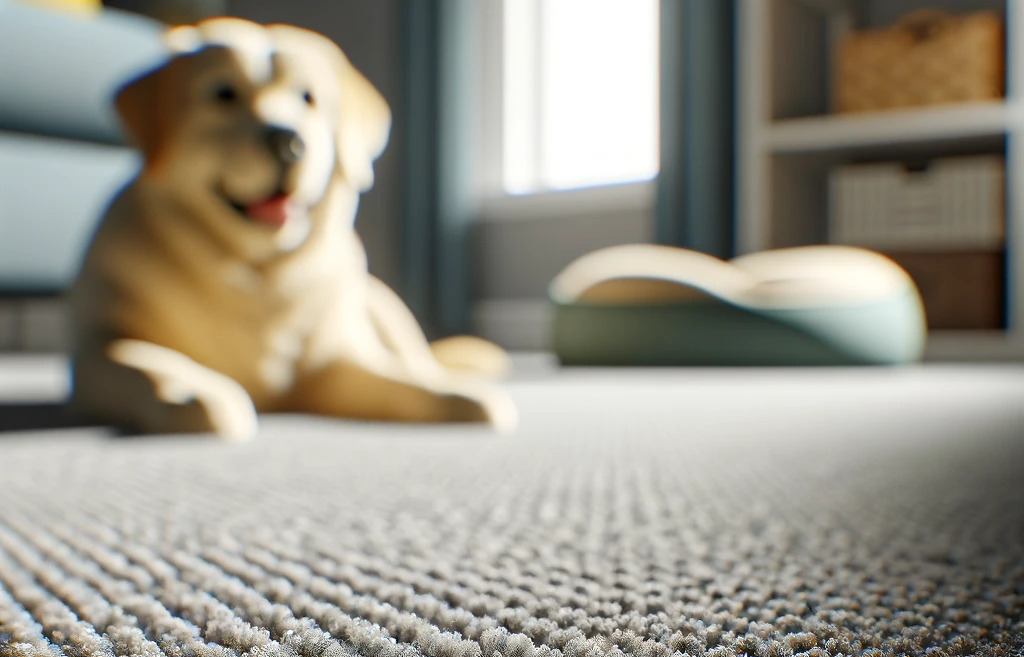
Friction is another key factor in both the accumulation and removal of pet hair. As your pet moves across different surfaces, friction causes hair to loosen and shed. However, friction also helps hair embed itself into the fibers of carpets, rugs, and upholstery, making it harder to lift out with basic cleaning tools.
When it comes to cleaning, friction can be your ally. Tools like rubber brooms, lint rollers, and microfiber cloths use friction to grab and pull hair from surfaces. The effectiveness of these tools depends on the type of material you’re cleaning and the amount of pressure applied. For example, a rubber broom creates enough friction to draw hair out of carpet fibers, while a microfiber cloth can pick up hair from hard floors or furniture.
Choosing the Right Tools: Science-Backed Solutions
Understanding the principles of static and friction can help you select the best cleaning tools for your needs. Here’s how different products work:
- Rubber brooms and gloves: The rubber material creates friction and generates a mild static charge, attracting hair and pulling it from carpet and upholstery.
- Microfiber cloths: These cloths have tiny fibers that increase surface area and friction, making them effective for picking up hair from hard floors and furniture.
- Vacuum cleaners with specialized attachments: Some vacuums have rubberized or textured attachments designed to increase friction and lift hair from deep within carpet fibers.
- Lint rollers: Sticky surfaces use both adhesion and friction to grab loose hair from clothing and soft surfaces.
For more advice on gentle cleaning, see pet hair removal from carpet without damaging fibers for tips that protect your carpet’s texture while removing fur.
Reducing Static for Easier Cleaning
Since static electricity is a major reason pet hair clings to surfaces, minimizing static can make cleaning much more effective. Here are some practical ways to reduce static in your home:
- Increase humidity: Use a humidifier or place bowls of water near heat sources to keep the air moist, which reduces static buildup.
- Use anti-static sprays: Lightly misting carpets, upholstery, or clothing with a water and fabric softener solution can neutralize static charges.
- Choose anti-static cleaning tools: Some brushes and brooms are designed to dissipate static as you clean, making it easier to lift hair.
- Wear rubber-soled shoes: These can help prevent you from generating extra static as you move around the house.
For more quick cleaning strategies, you might find pet hair removal from carpet fast cleaning tips helpful for busy routines.
Best Practices for Managing Pet Hair at Home
Combining knowledge of static and friction with a consistent cleaning routine can make a big difference in your home’s cleanliness. Here are some science-backed best practices:
- Regular grooming: Brushing your pet frequently reduces the amount of loose hair that ends up on your floors and furniture.
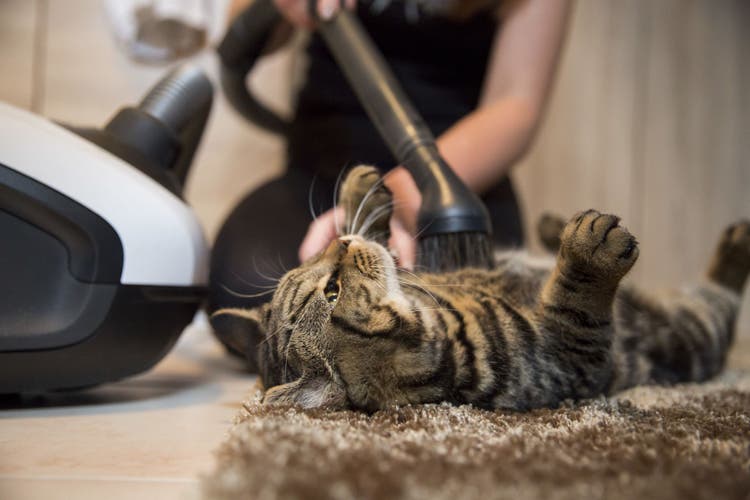
- Frequent vacuuming: Use a vacuum with a HEPA filter and pet-specific attachments to capture hair and dander efficiently.
- Wash bedding and covers: Launder pet beds, blankets, and slipcovers regularly to prevent hair buildup. Adding a dryer sheet can help reduce static during the drying cycle.
- Use targeted cleaning tools: Select tools designed for your specific surfaces—rubber brooms for carpets, microfiber for hard floors, and lint rollers for clothing.
For those with busy schedules, pet hair removal routine for busy pet owners offers time-saving tips to keep pet hair under control without extra hassle.
Common Mistakes and How to Avoid Them
Even with the right knowledge, some cleaning habits can make pet hair problems worse. Here are mistakes to watch out for:
- Using dry cloths or brushes on dry surfaces: This increases static and makes hair cling more tightly. Lightly dampen your tools or surfaces for better results.
- Vacuuming too quickly: Moving the vacuum slowly allows the suction and attachments to lift more hair from deep fibers.
- Ignoring hidden areas: Hair collects under furniture, along baseboards, and in corners. Use attachments to reach these spots regularly.
- Skipping regular maintenance: Waiting too long between cleanings allows hair to become embedded and harder to remove.
For additional techniques, see this guide to easy methods for removing dog hair from carpets and rugs for more practical advice.
FAQ: Understanding Pet Hair Removal Science
Why does pet hair stick more to some fabrics than others?
Some fabrics, like polyester and wool, generate more static electricity and have a rougher texture, increasing both static and friction. This combination makes them magnets for pet hair, while smoother, less static-prone fabrics like leather or tightly woven cotton attract less fur.
Can I use household items to reduce static and remove pet hair?
Yes, lightly dampening a rubber glove or using a dryer sheet can help neutralize static and make it easier to pick up hair. A spray bottle with water and a small amount of fabric softener can also be used on carpets and upholstery to reduce static cling.
What’s the most effective way to remove embedded pet hair from carpets?
Start by loosening hair with a rubber broom or brush, then vacuum slowly using a pet-specific attachment. For stubborn areas, use a damp microfiber cloth or a squeegee to pull hair from the fibers before vacuuming again. For more details, check out pet hair removal from carpet using pulling motion for specialized techniques.
