
As cities continue to grow, the need for sustainable urban housing net-zero solutions has never been more urgent. Urban populations are rising, and with them, the demand for energy-efficient, environmentally responsible living spaces. Net-zero housing is emerging as a practical answer to these challenges, offering a pathway to reduce carbon emissions, lower utility costs, and create healthier communities. This article explores how net-zero principles are shaping the future of city living, the technologies making it possible, and the steps individuals and communities can take to embrace this transformation.
For those interested in actionable steps, the green living net-zero household guide provides practical everyday tips to help households transition toward more sustainable habits.

What Is Net-Zero Urban Housing?
Net-zero urban housing refers to residential buildings in cities that produce as much energy as they consume over the course of a year. This is achieved through a combination of energy-efficient design, renewable energy generation, and smart technology integration. The goal is to minimize environmental impact while maintaining comfort and functionality for residents.
Key characteristics of net-zero homes in urban settings include:
- High-performance insulation and airtight construction to reduce energy loss
- On-site renewable energy systems, such as solar panels or geothermal heat pumps
- Efficient heating, cooling, and lighting systems
- Water conservation measures and sustainable materials
- Integration with smart home technologies for real-time energy monitoring
By adopting these features, urban housing developments can significantly reduce their carbon footprint and support city-wide sustainability goals.
Why Cities Need Sustainable Housing Solutions
Urban areas are responsible for a large share of global energy consumption and greenhouse gas emissions. As more people move into cities, the pressure on infrastructure, resources, and the environment intensifies. Sustainable housing is essential for several reasons:
- Climate change mitigation: Reducing energy use and emissions in the housing sector is critical for meeting climate targets.
- Healthier living environments: Improved air quality, natural lighting, and better insulation contribute to resident well-being.
- Economic benefits: Lower utility bills and increased property values benefit both homeowners and renters.
- Resilience: Energy-efficient buildings are better equipped to handle extreme weather events and energy price fluctuations.
For a deeper look at how construction methods are evolving to address these challenges, see the article on climate change and net-zero construction.
Design Principles for Net-Zero City Living
Designing urban housing that meets net-zero standards requires a holistic approach. Here are some of the most important principles:
Passive Design Strategies
Passive design leverages the local climate to maintain comfortable indoor temperatures with minimal energy use. This includes:
- Optimal building orientation to maximize natural light and ventilation
- Strategic placement of windows and shading devices
- Thermal mass materials to regulate temperature swings
Energy Efficiency Upgrades
Modern net-zero homes use advanced insulation, triple-glazed windows, and high-efficiency HVAC systems. Appliances and lighting are selected for their low energy consumption. Smart thermostats and sensors help optimize energy use throughout the day.
Renewable Energy Integration
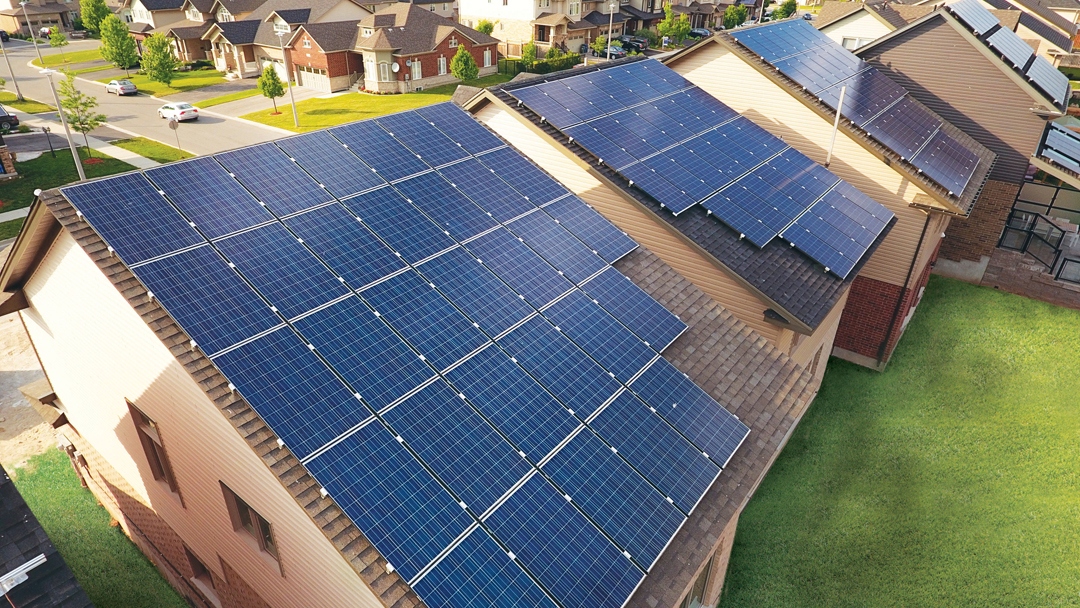
Solar panels are the most common renewable energy source for urban homes, but wind turbines, geothermal systems, and even community energy sharing are increasingly viable. Battery storage solutions allow homes to use renewable energy even when the sun isn’t shining.
Technologies Powering Sustainable Urban Housing
Innovation is at the heart of the net-zero movement. Several technologies are making it easier for urban dwellers to achieve energy independence and sustainability:
- Smart energy monitors: Devices that track real-time energy use and identify opportunities for savings.
- Thermal imaging cameras: Tools for detecting heat leaks and improving insulation performance.
- Advanced building materials: Products like aerogel insulation, phase-change materials, and low-carbon concrete.
- High-efficiency heat pumps: Systems that provide heating and cooling with minimal energy input.
- Home automation platforms: Centralized control of lighting, appliances, and climate systems for optimal efficiency.
For an in-depth look at how these innovations are transforming daily life, the lifestyle impact net-zero housing article offers valuable insights.
Community and Policy Support for Net-Zero Housing
While individual homeowners and developers play a crucial role, broader support from local governments and communities is essential. Policies such as building codes, incentives for renewable energy adoption, and funding for retrofits can accelerate the shift toward net-zero living. Community-based initiatives, such as shared solar projects and green building certifications, also help scale up impact.
Many cities are adopting ambitious climate action plans that prioritize sustainable housing. These efforts not only reduce emissions but also create jobs, improve public health, and foster social equity.
Benefits and Challenges of Net-Zero Urban Living
Advantages for Residents and Cities
- Lower energy bills: Net-zero homes can save residents thousands of dollars over their lifetimes.
- Reduced carbon emissions: Urban areas can make significant progress toward climate goals with widespread adoption.
- Improved comfort and health: Better air quality and consistent indoor temperatures enhance quality of life.
- Resilience to energy disruptions: On-site generation and storage reduce reliance on the grid.
Barriers to Adoption
- Upfront costs: High-performance materials and renewable systems can be expensive, though prices are falling.
- Limited space: Urban density can restrict options for solar panels or green roofs.
- Regulatory hurdles: Zoning laws and outdated building codes may slow progress.
- Awareness and education: Many residents and builders are still unfamiliar with net-zero concepts.
Despite these challenges, the long-term benefits make the transition worthwhile. For those looking to start small, the sustainable living net-zero homes guide offers practical daily habits that support a greener lifestyle.
How to Get Started with Net-Zero Housing in Your City
Transitioning to a net-zero lifestyle in an urban environment can seem daunting, but there are clear steps individuals and communities can take:
- Conduct an energy audit: Identify where your home is losing energy and prioritize improvements.
- Upgrade insulation and windows: These changes offer immediate efficiency gains.
- Switch to efficient appliances: Look for ENERGY STAR-rated products and LED lighting.
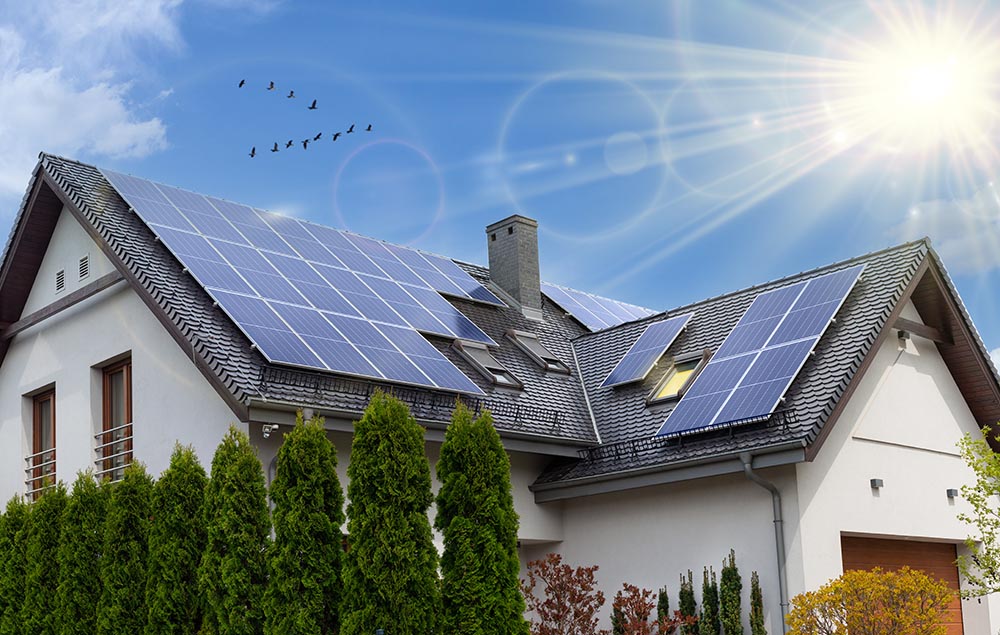
- Install renewable energy systems: Solar panels or heat pumps can dramatically cut energy use.
- Monitor and manage energy consumption: Use smart devices to track and optimize usage.
- Engage with local initiatives: Join community solar programs or advocate for green building policies.
For more information on the environmental impact of these changes, the article on carbon footprint net-zero homes provides a detailed analysis.
Additionally, resources like this comprehensive overview of net-zero homes offer further insights into the latest technologies and design trends.
Frequently Asked Questions
What does net-zero mean in the context of urban housing?
Net-zero in urban housing means that a building produces as much renewable energy as it consumes annually. This is achieved through a mix of energy-efficient construction, renewable energy systems, and smart technology integration, resulting in a balanced energy footprint.
Are net-zero homes more expensive to build in cities?
While the initial investment can be higher due to advanced materials and systems, net-zero homes often lead to significant savings on energy bills over time. Incentives, rebates, and falling technology costs are making these homes increasingly accessible in urban settings.
How can renters benefit from sustainable housing?
Renters can benefit from improved indoor air quality, lower utility costs, and healthier living environments. Many landlords are upgrading properties to meet green standards, and renters can also adopt energy-saving habits and use smart devices to reduce their own consumption.
