
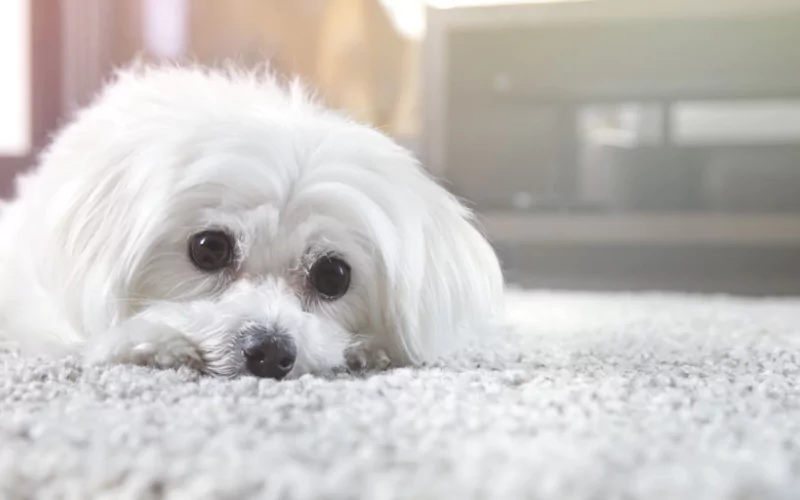
Pet owners often find themselves battling stubborn fur embedded deep within their carpets. While regular cleaning helps, understanding why carpets trap pet hair easily can make a significant difference in maintaining a clean and healthy home. This article explores the underlying reasons behind this common problem, examines the role of carpet materials and pet hair characteristics, and offers practical solutions for effective removal and prevention.
For those seeking step-by-step cleaning routines, our guide on pet hair removal from carpet indoor hygiene tips provides actionable advice for maintaining a fur-free environment.
Understanding the Science Behind Carpet and Pet Hair Attraction
To grasp why pet fur clings so persistently to carpet fibers, it’s important to consider both the physical and chemical properties at play. Carpets, especially those with dense or textured piles, create a web of fibers that easily ensnare loose hair. The structure of most carpets—whether cut pile, loop pile, or shag—offers countless tiny crevices where fur can become lodged.
Additionally, static electricity is a major contributor. As pets move across the carpet, friction generates static charges. These charges cause hair to stick to the fibers, making it difficult to remove with simple sweeping or vacuuming. This is especially true in dry environments, where static buildup is more pronounced.
Carpet Types and Their Role in Pet Hair Accumulation
Not all carpets are created equal when it comes to trapping fur. The type of material and pile height can greatly influence how much hair gets caught and how hard it is to remove. Here’s a breakdown of common carpet types and their relationship with pet hair:
- Cut Pile Carpets: The upright fibers in cut pile carpets, such as plush or Saxony, readily catch and hold onto pet hair. The denser the pile, the more challenging it becomes to extract fur.
- Loop Pile Carpets: Berber and other looped styles can trap hair beneath the loops, making it nearly invisible but difficult to reach with standard vacuums.
- Shag Carpets: The long, loose fibers in shag rugs are notorious for collecting large amounts of hair, which can become deeply embedded over time.
- Synthetic vs. Natural Fibers: Synthetic carpets (like nylon and polyester) tend to generate more static, increasing hair attraction. Wool, while less prone to static, still traps hair due to its textured surface.
For more on quick and efficient cleaning, see our article on pet hair removal from carpet fast cleaning tips.
Pet Hair Characteristics That Make Removal Difficult
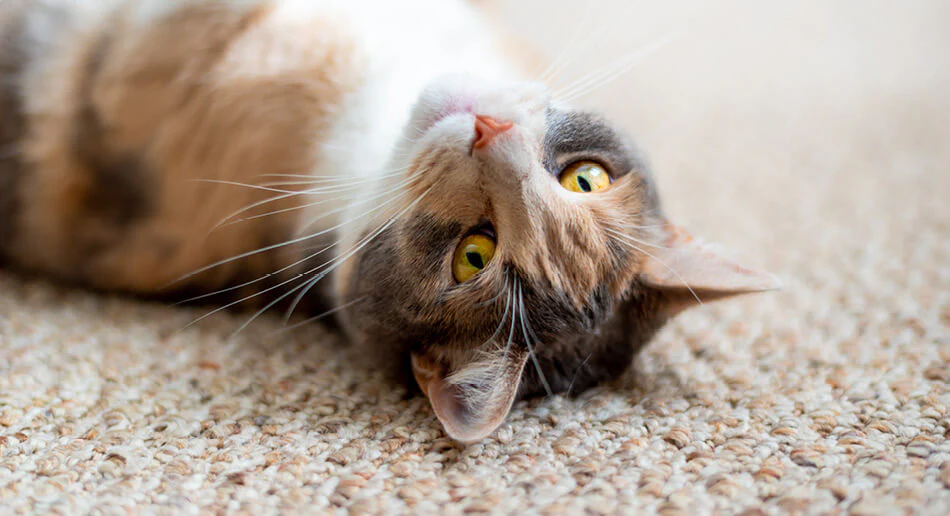
The unique properties of pet fur contribute to its tendency to stick to carpets. Most pets shed hair that is fine, lightweight, and sometimes even curly or crimped. These features allow strands to weave into the carpet’s surface and become entangled with the fibers.
Additionally, the natural oils found on pet hair can cause it to adhere to carpet fibers, especially if the carpet is not cleaned regularly. This oily residue acts like a glue, making vacuuming less effective and requiring more intensive cleaning methods.
For those concerned about preserving carpet quality, our advice on pet hair removal from carpet without damaging fibers offers gentle yet effective techniques.
Environmental Factors That Worsen Pet Hair Buildup
Several environmental conditions can exacerbate the issue of fur accumulation in carpets:
- Low Humidity: Dry air increases static electricity, making it easier for hair to cling to carpet fibers.
- High Traffic Areas: Frequent movement from people and pets pushes hair deeper into the carpet, making it harder to remove.
- Infrequent Cleaning: Allowing fur to build up over time gives it more opportunity to become embedded, requiring more effort to clean.
- Multiple Pets: Homes with several animals naturally accumulate more hair, increasing the challenge of keeping carpets clean.
Regular maintenance and the right tools are essential for managing these factors. For busy households, our pet hair removal routine for busy pet owners can help streamline the process.
Effective Strategies for Reducing Pet Hair in Carpets
While the causes of fur buildup are numerous, there are proven strategies to minimize and manage the problem:
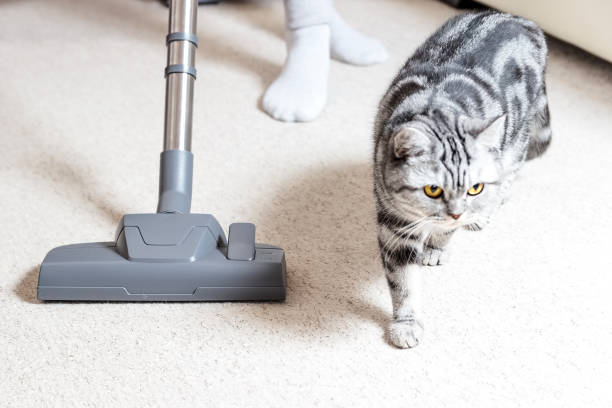
- Frequent Vacuuming: Use a vacuum designed for pet hair, ideally with a motorized brush roll and strong suction. For best results, vacuum in multiple directions to loosen embedded fur.
- Specialized Tools: Carpet rakes, rubber brooms, and lint rollers can help lift hair from the surface and deep within the fibers. These tools are especially useful for high-pile or shag carpets.
- Humidity Control: Maintaining moderate humidity levels in your home can reduce static electricity, making it easier to remove hair.
- Routine Grooming: Regularly brushing your pets reduces the amount of loose hair that ends up on your floors and carpets.
- Professional Cleaning: Periodic deep cleaning by professionals can extract hair that regular vacuuming misses, keeping carpets fresh and allergen-free.
If you’d like to learn about techniques that avoid damaging your carpet, see our tips on pet hair removal from carpet using pulling motion.
Expert Tips for Preventing Future Buildup
Prevention is often more effective than constant cleaning. Here are some expert recommendations to help keep your carpets fur-free:
- Use Area Rugs: Place washable rugs in high-traffic zones and pet-favorite spots. These can be cleaned more easily and protect underlying carpet.
- Choose Low-Pile Carpets: If you’re replacing flooring, opt for low-pile or tightly woven carpets, which are less likely to trap hair.
- Antistatic Sprays: Applying antistatic products to your carpet can help reduce static cling and make hair removal easier.
- Wash Pet Bedding Frequently: Keeping your pet’s sleeping areas clean reduces the amount of loose hair in your home.
For additional removal methods, check out these simple ways to get dog hair out of your carpet for more ideas and product recommendations.
Frequently Asked Questions
Why does pet hair stick more to some carpets than others?
Different carpet materials and pile types have varying abilities to trap fur. Dense, high-pile, and synthetic carpets tend to hold onto hair more stubbornly due to their structure and static electricity. Low-pile and natural fiber carpets may be easier to keep clean.
What is the best way to remove embedded pet hair from carpet?
Using a vacuum with a motorized brush roll, combined with specialized tools like carpet rakes or rubber brooms, is highly effective. For deeply embedded hair, dampening the carpet slightly can help loosen fur before vacuuming.
Can regular cleaning prevent pet hair from accumulating in carpets?
Yes, frequent cleaning and grooming your pets can significantly reduce the amount of hair that settles in your carpets. Combining vacuuming, brushing, and using area rugs offers the best results for ongoing maintenance.
