
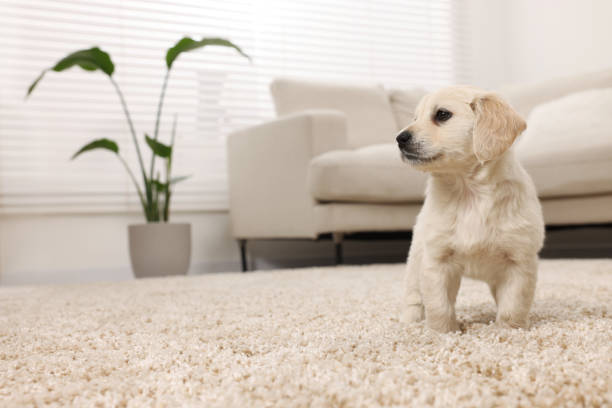
If you share your home with cats or dogs, you’ve probably noticed how stubbornly fur clings to your carpet. Even after vacuuming, those fine hairs seem to weave themselves into the fibers, making removal a challenge. Understanding why pet hair sticks to carpet can help you tackle the problem more effectively and keep your living space cleaner.
The answer lies in a mix of science, material properties, and the unique characteristics of both pet hair and carpeting. This article explores the forces at play, why some carpets attract more fur than others, and practical steps you can take to minimize buildup. For those looking for more comprehensive strategies, check out our guide on pet hair removal from carpet indoor hygiene tips.
The Role of Static Electricity in Pet Hair Attraction
One of the main reasons fur clings to carpet is static electricity. When your pets move around, their hair rubs against surfaces, picking up an electrical charge. Carpets, especially those made from synthetic fibers like nylon or polyester, are excellent at holding onto this charge. The result is a magnetic-like effect that causes hair to stick tightly to the carpet pile.
This static buildup is more noticeable in dry environments or during winter, when humidity levels are low. The drier the air, the easier it is for static to accumulate, making pet hair even more difficult to remove.
Carpet and Pet Hair: Why Some Fibers Hold More Fur
Not all carpets are created equal when it comes to attracting fur. The type of fiber, pile height, and density all influence how much hair gets trapped. Synthetic carpets, such as those made from nylon, polyester, or olefin, are more prone to static buildup and, therefore, attract more hair. Natural fibers like wool are less likely to generate static, but their texture can still trap fur.
Loop pile carpets, with their tightly woven loops, tend to hold onto hair more stubbornly than cut pile carpets. High-pile or shag carpets also provide more surface area for fur to cling to, making removal tougher.
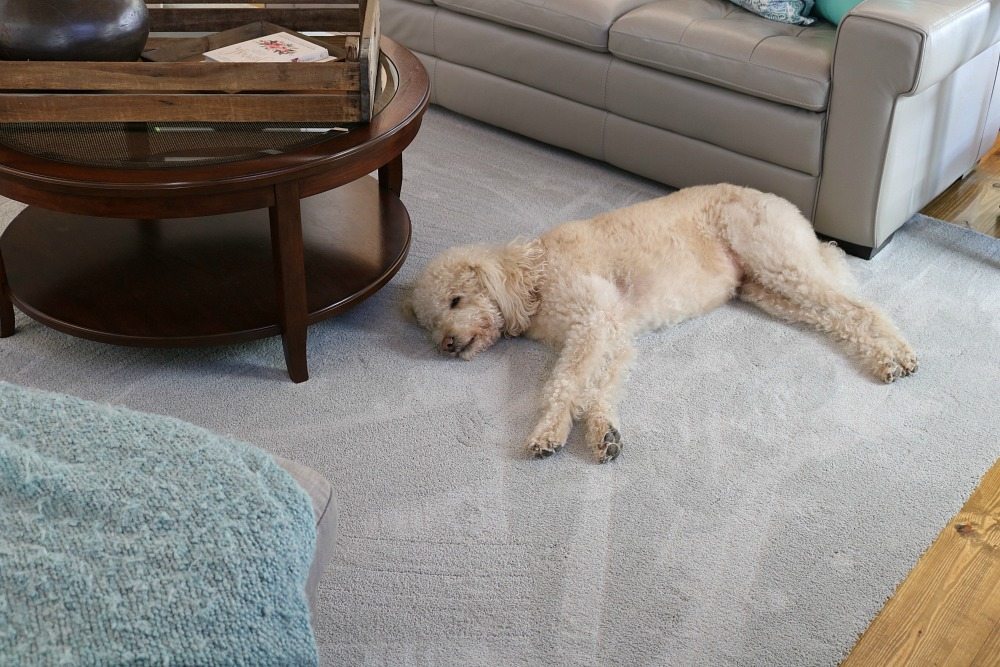
Pet Hair Characteristics and Carpet Interaction
The structure of animal fur also plays a part. Pet hair is lightweight, flexible, and often has a scaly surface, which helps it grip onto carpet fibers. Shedding cycles, breed, and grooming habits all affect how much hair ends up on your floors.
Some breeds shed more than others, and their hair may be finer or more prone to static. Regular grooming can help reduce the amount of loose fur, but even well-groomed pets will leave some hair behind.
Humidity and Its Effect on Static and Fur Buildup
Environmental conditions, especially humidity, have a significant impact on static electricity and, by extension, fur attraction. In dry climates or during winter, static charges build up more easily, making it harder to remove hair from carpets. Increasing indoor humidity with a humidifier can help reduce static and make cleaning more effective.
Effective Strategies for Removing Pet Hair from Carpet
While understanding why pet hair sticks to carpet is helpful, practical solutions are what most pet owners need. Here are some proven methods to tackle stubborn fur:
- Vacuum regularly: Use a vacuum with a motorized brush or pet hair attachment. These tools are designed to lift hair from deep within carpet fibers.
- Use a rubber broom or squeegee: The friction from rubber helps pull hair out of the carpet and can be especially useful for high-pile rugs.
- Apply anti-static sprays: Lightly misting carpets with a fabric-safe anti-static spray can reduce static buildup and make hair easier to remove.
- Increase humidity: Running a humidifier in dry seasons can help minimize static electricity in your home.
- Groom pets regularly: Brushing your pets often will reduce the amount of loose hair that ends up on your floors.
For more fast-action cleaning ideas, see our resource on pet hair removal from carpet fast cleaning tips.
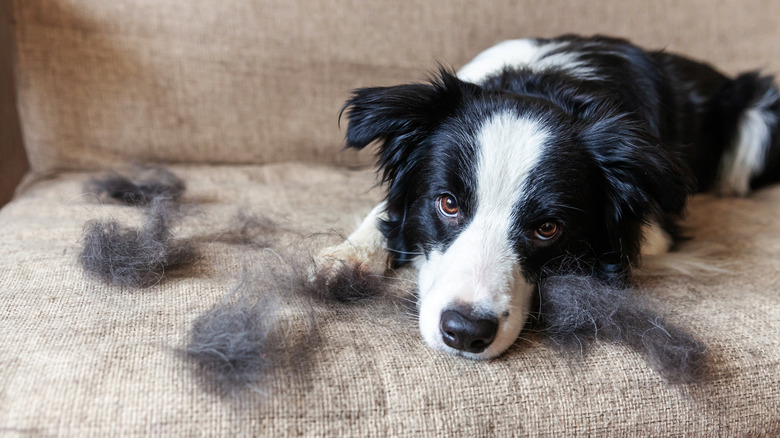
Preventing Pet Hair Accumulation in Carpets
Prevention is just as important as removal. Here are some tips to keep fur from building up in the first place:
- Choose pet-friendly carpets: Low-pile, tightly woven carpets are less likely to trap hair and are easier to clean.
- Establish a grooming routine: Regular brushing and bathing reduce the amount of loose hair your pets shed indoors.
- Use washable rugs: Place machine-washable area rugs in high-traffic pet areas for easier cleaning.
- Keep pets off certain areas: Training pets to stay off specific carpets or using pet beds can help limit fur spread.
For those concerned about carpet longevity, see our advice on pet hair removal from carpet without damaging fibers.
When to Seek Professional Help
Sometimes, regular cleaning isn’t enough, especially if you have multiple pets or allergies. Professional carpet cleaning services use specialized equipment and solutions to remove deeply embedded hair and reduce allergens. For persistent issues, or if you want a thorough seasonal clean, hiring a pro can make a noticeable difference.
For additional tips on maintaining a clean home with pets, you might find this guide to removing stubborn pet hair from carpets helpful.
FAQ: Pet Hair and Carpet Static
Why does static electricity make pet hair so hard to remove from carpets?
Static electricity causes pet hair to cling tightly to carpet fibers, especially those made of synthetic materials. The electrical charge creates an attraction between the hair and the carpet, making it difficult to vacuum or brush away.
Are certain carpet types better for homes with pets?
Yes, low-pile and tightly woven carpets are generally easier to keep clean. Natural fibers like wool generate less static, but synthetic carpets are more prone to attracting fur. Choosing the right carpet can make a big difference in daily maintenance.
How can I reduce static and make pet hair removal easier?
Increasing indoor humidity, using anti-static sprays, and vacuuming with the right attachments can all help. Regular grooming of your pets also reduces the amount of loose hair that ends up on your carpet.
What tools work best for removing pet hair from carpets?
Vacuums with motorized brushes, rubber brooms, and squeegees are all effective. For more detailed techniques, our article on pet hair removal from carpet using pulling motion covers additional methods.
Is professional carpet cleaning necessary for pet owners?
While regular home cleaning can manage most pet hair, professional cleaning is helpful for deep removal and allergy reduction, especially in multi-pet households or for those with sensitivities.
Keeping carpets free of pet hair is an ongoing task, but understanding the science behind static and fur attraction can help you choose the best cleaning methods and preventative measures. For busy pet owners, see our pet hair removal routine for busy pet owners for time-saving routines and more practical advice.
